
Last updated November 15, 2026
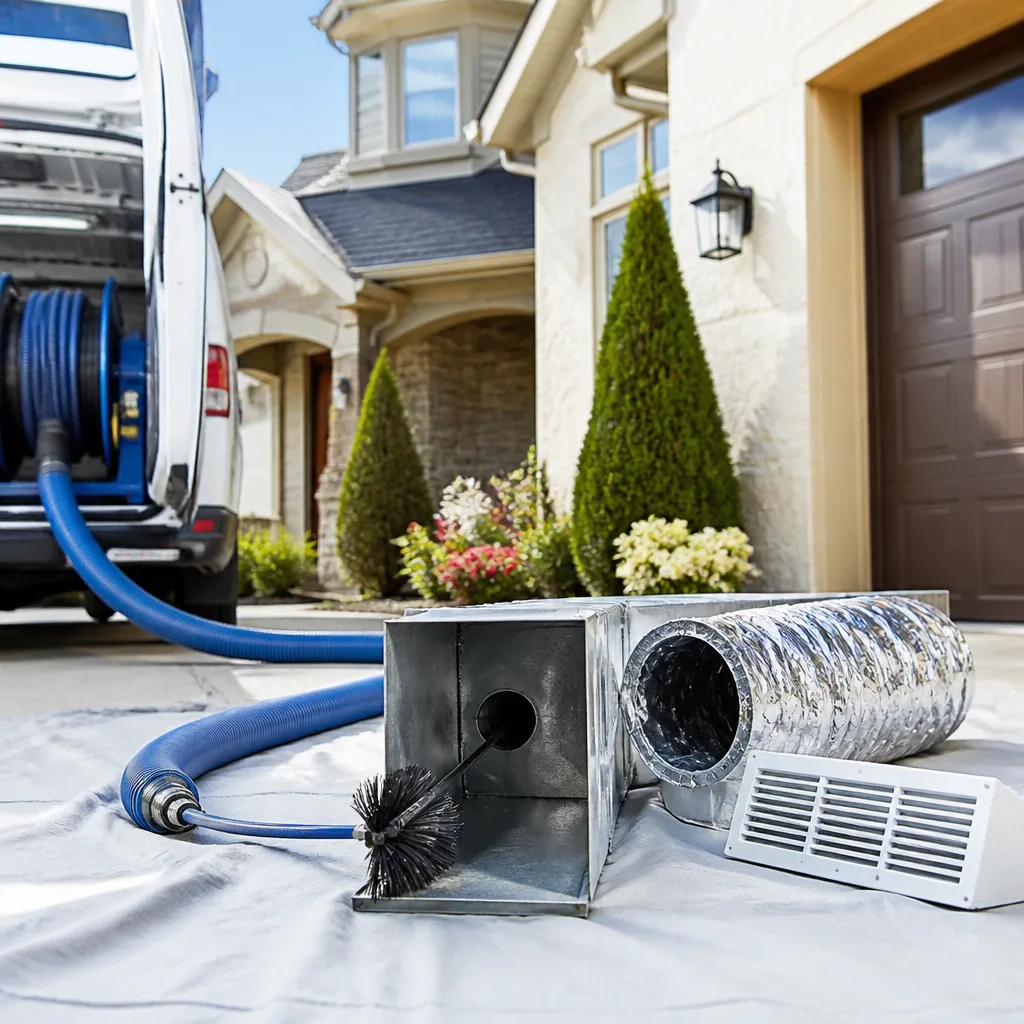 Whole-home duct cleaning
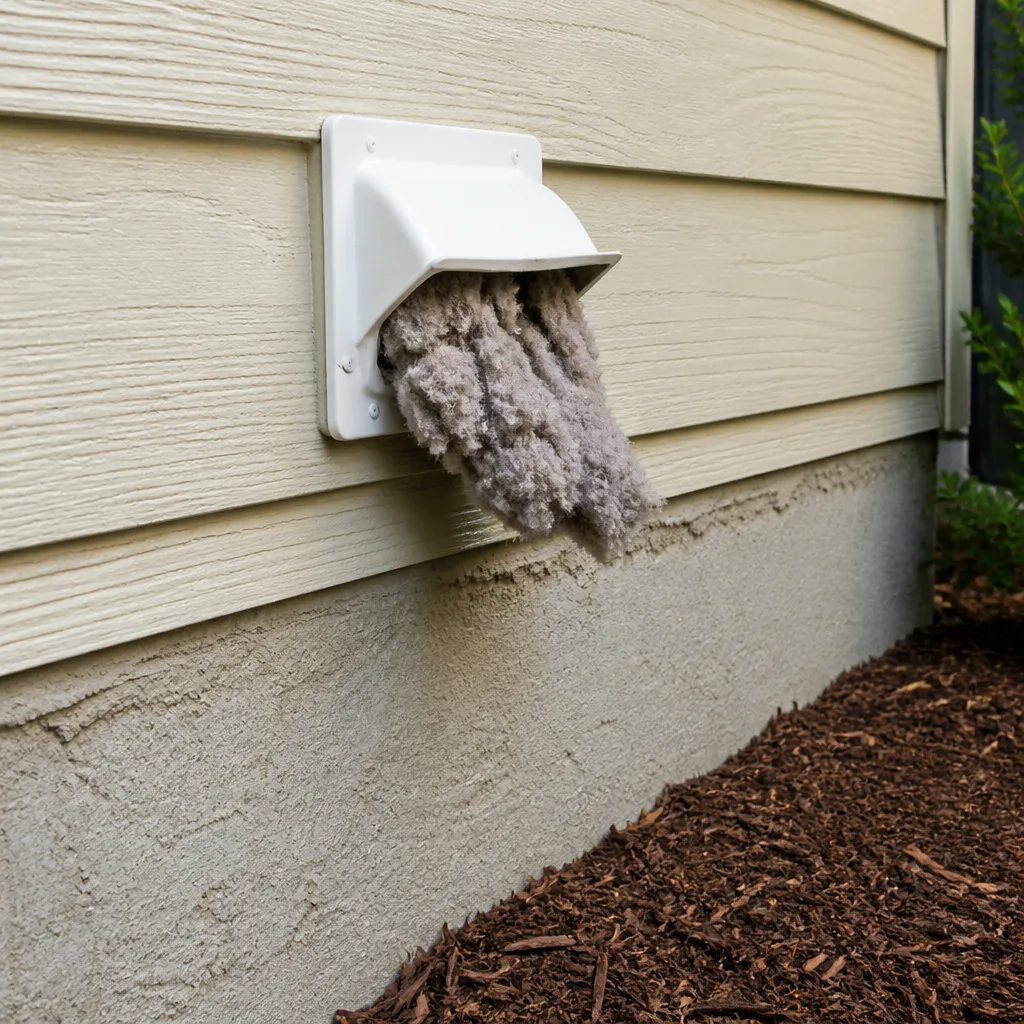 Dryer vent cleaning
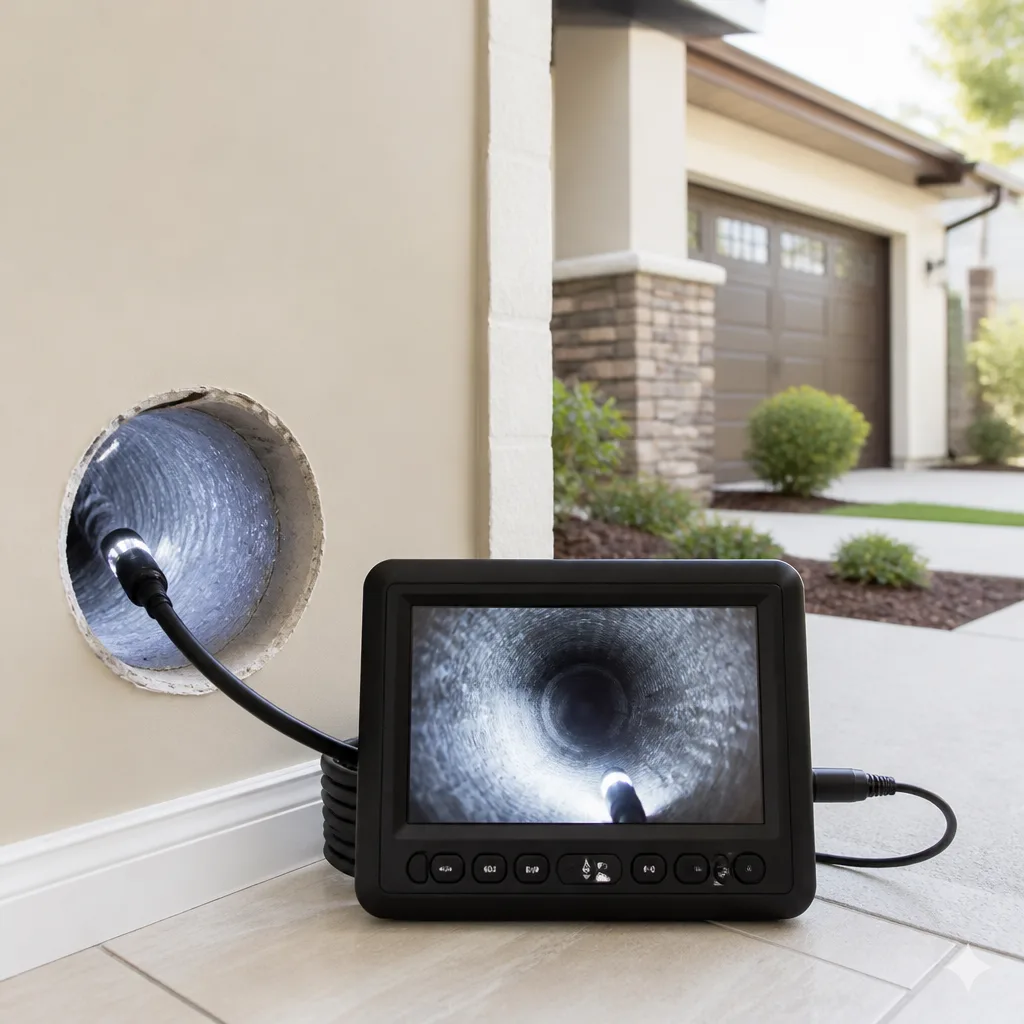 Camera inspection
 Sanitizing & deodorizing
Whole-system duct and dryer vent check with before-and-after photos - you see exactly what came out of your vents
That "$99 whole-house special" is a bait ad - the real number appears once they are in your hallway, or the "clean" is a shop-vac at the register. We photograph the inside of your ducts before and after instead.
Air Duct Cleaning Emergency Preparedness Guide for Hollywood Homes
Most Hollywood homeowners think about duct contamination as a slow, invisible problem that builds up over years. Storm season flips that assumption. When wind-driven rain forces its way into attic penetrations, when flood water wicks into a return plenum, or when a nearby structure fire sends smoke particulate through intake vents, the contamination inside a home’s ductwork can change in a single afternoon. The danger isn’t only what’s in there. It’s what happens when you switch the system back on and distribute it through every room. This guide walks through what to check, in what order, before you restart your HVAC after a significant weather event in Hollywood.
Quick Answer
After any storm, flood, or nearby fire in Hollywood, do not restart your air conditioning until you’ve inspected the duct system for moisture and debris. Dry out any water-exposed ductwork first, get a camera inspection second, and clean only after both steps confirm the system is stable. Skipping that sequence spreads contamination through the entire house when the system comes back on.
Styles & brands we work with
- Whole-home duct cleaning
- Dryer vent cleaning
- Camera inspection
- Sanitizing & deodorizing
Table of Contents
- Why After-Storm Timing Matters More Than the Storm Itself
- How Flood Water and Storm Moisture Get Into Hollywood Ducts
- The Correct Sequence: Dry-Out, Inspect, Then Clean
- Your Post-Storm Duct Assessment Protocol
- Smoke Contamination From Nearby Structure Fires
- Documenting Duct Damage for Insurance
- Safe HVAC Restart Checklist
- Pre-Season Preparedness for Hollywood Homes
Why After-Storm Timing Matters More Than the Storm Itself
Hurricane and storm damage to a home’s duct system often isn’t obvious in the immediate aftermath. The visible damage gets attention first: roof shingles, window seals, drywall. What goes unnoticed is the slow path moisture takes through attic duct penetrations, loose boot connections around ceiling registers, and the return air plenum that pulls air through the structural cavity of the house. Once moisture sits inside a duct run, mold spores start colonizing within a matter of days, and debris that settled during wind events begins to break down into a fine dust that sticks to damp duct walls.
The misconception is that turning the AC back on helps “air out” the house. It does the opposite. A running HVAC system is a whole-house distribution network. It takes whatever is sitting in the ducts and pushes it into every bedroom, living space, and closet in the home. In Hollywood, where humidity is already high and systems run almost year-round, that exposure window is short. Getting a professional assessment before the first restart is the single most protective step a homeowner can take.
That’s also why duct cleaning after a storm is not the same service as routine maintenance. Routine air duct cleaning removes accumulated dust and debris. Post-storm cleaning has to address contamination, moisture intrusion, and possible structural damage at the same time, and it can’t be done correctly until the system is confirmed dry and structurally intact.
How Flood Water and Storm Moisture Get Into Hollywood Ducts
Duct systems are sealed by design, but storms expose the weak points. Water finds its way in through three predictable paths, and understanding them helps you know where to look.
- Attic penetrations. Flexible duct runs often pass through decking or framing in the attic. Wind-driven rain and roof compromise can send water straight down along those runs and into the system below.
- Compromised boots. The metal boot that connects a ceiling register to the duct behind it relies on a tight seal. Storm shaking and pressure changes can open that seal, and once it’s open, water from the attic cavity follows the shortest path through it.
- Return air plenums. Many Hollywood homes have return plenums built into the structural cavity. That cavity can take on water from roof leaks, soaked insulation, or flood intrusion at the foundation, and the return pulls airborne moisture directly into the system.
What contamination looks like after water exposure varies. Damp insulation inside the duct run looks darker and sags. Metal duct interiors can show white or greenish surface growth. Fiberboard duct sections may soften and crumble. The smell is usually the last sign, not the first. In our experience across Hollywood, the homes that move fastest on assessment catch the problem while it’s still reversible.
The Correct Sequence: Dry-Out, Inspect, Then Clean
The order of operations after water intrusion is not negotiable. Doing the steps out of sequence turns a repair into a replacement, or worse, pushes mold spores through every room before they’ve been addressed at the source.
- Stop the source. Fix the roof leak, seal the penetration, or address the water entry before any duct work begins. Cleaning wet ducts while water is still entering accomplishes nothing.
- Dry out the system. Any duct run that has held water needs to dry thoroughly. That’s a process, not a quick blast of air. Duct insulation that stayed saturated typically has to be removed and replaced.
- Inspect with a camera. A visual inspection inside the ductwork confirms whether the run is structurally intact, whether contamination is microbial or sediment-based, and whether any duct sections need repair rather than just cleaning.
- Repair compromised sections. Tears, separated joints, and crushed sections must be fixed before cleaning. A duct repair service addresses structural gaps that cleaning alone cannot fix, and it must come before cleaning or the cleaning won’t hold.
- Clean with contact agitation and negative pressure. Once the system is dry and structurally sound, cleaning uses a contact-scrubbing method like the Rotobrush system to physically break debris off duct walls, paired with Nikro extraction equipment that maintains negative pressure inside the run so dislodged debris is pulled out rather than pushed into the home.
- Verify and document. Before-and-after camera images confirm the work and create a record for insurance or future reference.
Skipping the dry-out step and cleaning a wet system is the most common mistake we encounter in Hollywood. It traps moisture against cleaned surfaces, which gives mold a fresh foothold on a surface that will look clean on camera but won’t stay that way.
Your Post-Storm Duct Assessment Protocol
Whether you’re a homeowner or a property manager, the first 48 hours after a significant storm are about observation, not action. Walk the house and check the following before you turn the system back on.
- Look inside the attic at any flexible duct runs. Wet insulation wrapping a duct is a sign water entered the run.
- Check for water staining around every ceiling register and return grille, which points to moisture traveling along the run.
- Smell each return grille. A musty or damp-earth odor means moisture is present somewhere in the system.
- Look for sagging in flexible runs or ceiling drywall near duct paths, which suggests saturated insulation above.
- Check the air handler and filter compartment for standing water or rust, which confirms water reached the core of the system.
- Open registers one at a time and shine a light inside. Visible discoloration, debris clumps, or pest evidence all warrant a professional inspection.
Do not run the fan on “on” mode during this assessment. Fan-on recirculates air continuously, and if debris or moisture is present, that’s the fastest way to spread it. If you find any of the above signs in a Hollywood home, book a camera inspection before the system runs again. That inspection is what tells you whether you’re looking at a cleaning job, a repair job, or both.
Smoke Contamination From Nearby Structure Fires
Hollywood’s dense residential layout means a house fire several lots away can still affect the air inside your home. Smoke particulate behaves differently from water damage. It’s fine, it clings to surfaces, and it moves through the entire HVAC system the moment your neighbor’s fire draws air through your own intake. In some cases, the smoke that enters a home during a nearby fire is more concentrated inside the ductwork than anywhere else in the house, because the system’s intake acts as a funnel.
Smoke-exposed ductwork typically needs a contact-agitation cleaning, not a surface vacuum. The residue is acidic and oily, and it coats duct walls in a thin layer that a vacuum pass alone will not remove. Abatement Technologies air-quality equipment is often used on these jobs to maintain containment and air safety during service, which keeps loosened particulate from recirculating while it’s being removed. After cleaning, a filtration upgrade with a Honeywell or Aprilaire system can extend the life of the cleaning by trapping residual fine particulate before it settles again. If a fire happens nearby, don’t wait for the smoke smell inside your home to fade on its own. The smell fades; the residue doesn’t.
Documenting Duct Damage for Insurance
Most Hollywood homeowner policies will cover duct damage from a named storm or fire, but only if the damage is documented properly and tied to the event. Claims get denied on documentation gaps far more often than on coverage language. The homeowners who get paid are the ones who can prove what the system looked like before the storm and what it looked like after.
The single most effective thing you can do is have a camera inspection record of your duct system on file before a storm ever arrives. Pre-loss photographic baselines show the adjuster exactly what condition the ducts were in prior to the event, which removes any argument about whether contamination predates the storm. After a storm, capture interior photographs of every affected register, the air handler, and any visible water intrusion. Save the inspection report and before-and-after cleaning images together as one file.
If your claim involves water intrusion from flooding, note the date, time, and depth of any water in the home. These details matter to adjusters, and reconstructing them a week later from memory is nearly impossible. If you’re a property manager in Hollywood, keep a digital file for each unit with pre-storm duct images. That file pays for itself the first time a storm claim is filed.
Safe HVAC Restart Checklist
Once you’ve completed your assessment and confirmed the system is dry throughout, here’s the sequence for restarting the system safely.
- Replace the air filter before restarting anything. A filter saturated during the storm will reintroduce moisture and restriction.
- Set the thermostat to “auto” for the fan, not “on.” The auto setting runs the fan only when the system is calling for heating or cooling, so you’re not circulating air continuously if any debris is still in the run.
- Run the system for 10 to 15 minutes and check the register closest to the air handler. If you notice a musty smell or visible dust puffing out, shut it down and call for an inspection.
- Check the return grille while the system runs. Any whistling, straining, or vibration points to a restriction that may be a duct issue rather than a filter issue.
- Watch for ice on the indoor coil in the days after restart. That can indicate airflow restriction from debris that survived the cleaning, or from a compromised section of ductwork.
If the system was cleaned and repaired correctly, restart should be uneventful. If it isn’t, that’s useful information, and it’s better captured in the first 15 minutes than after a week of running an unresolved issue.
Pre-Season Preparedness for Hollywood Homes
Hurricane season doesn’t start on the day the first storm forms. The homes that come through a season with the least duct damage are the ones that took care of a few things before the season arrived. In our experience serving homeowners across Hollywood, the properties with the cleanest post-storm outcomes weren’t lucky. They had pre-storm baselines and tight seals.
- Get a camera inspection of your duct system and store the record. It’s your baseline for insurance and your reference for what “normal” looks like.
- Check the seals around every ceiling register and attic penetration. A loose boot that’s fine in calm weather will leak under storm-driven wind.
- Confirm the attic has no open penetrations where wind-driven rain can enter the duct path.
- Know the physical layout of your system, including where the return plenum is, so you’re not learning it in the middle of an emergency.
- Replace the air filter ahead of storm season so you’re not restarting with a loaded one afterward.
The other prevention step homeowners often overlook is dryer vent cleaning. Lint accumulation in the dryer vent is a documented fire risk year-round, and a storm that knocks out power or pressure-tests the exterior can shift accumulated lint inside the vent run. If your dryer vent hasn’t been cleaned in years, storm season is a good reason to fix that, independent of any AC concern.
Common Mistakes to Avoid
- Restarting the system to “air out” the house. This pushes whatever contamination exists into every room. Air it out by opening windows and running standalone fans before the HVAC runs.
- Cleaning wet ductwork. Cleaning a wet run while moisture is still present traps mold against surfaces and produces a job that looks clean on camera but fails within weeks.
- Hiring on price alone. Low quotes usually reflect a single vacuum pass with no contact agitation and no negative pressure. That removes surface dust and leaves the duct walls, which are where contamination actually sits, untouched.
- Skipping the camera inspection. An inspection before and after is the only way to know what’s in the system and what’s been removed. Without it, you’re relying on the cleaner’s word.
- Skipping duct repair to save money. A torn run or a separated joint will undo a cleaning within a season. Repair before cleaning is how the cleaning holds.
- Not documenting before the storm. Without a pre-loss baseline, storm-related damage becomes a claim conversation rather than a documented fact. Adjusters work with what’s on file.
- Forgetting the dryer vent. Storm season is a reminder that dryer vent safety matters year-round. Lint is fuel, and the vent is the exhaust.
See the difference
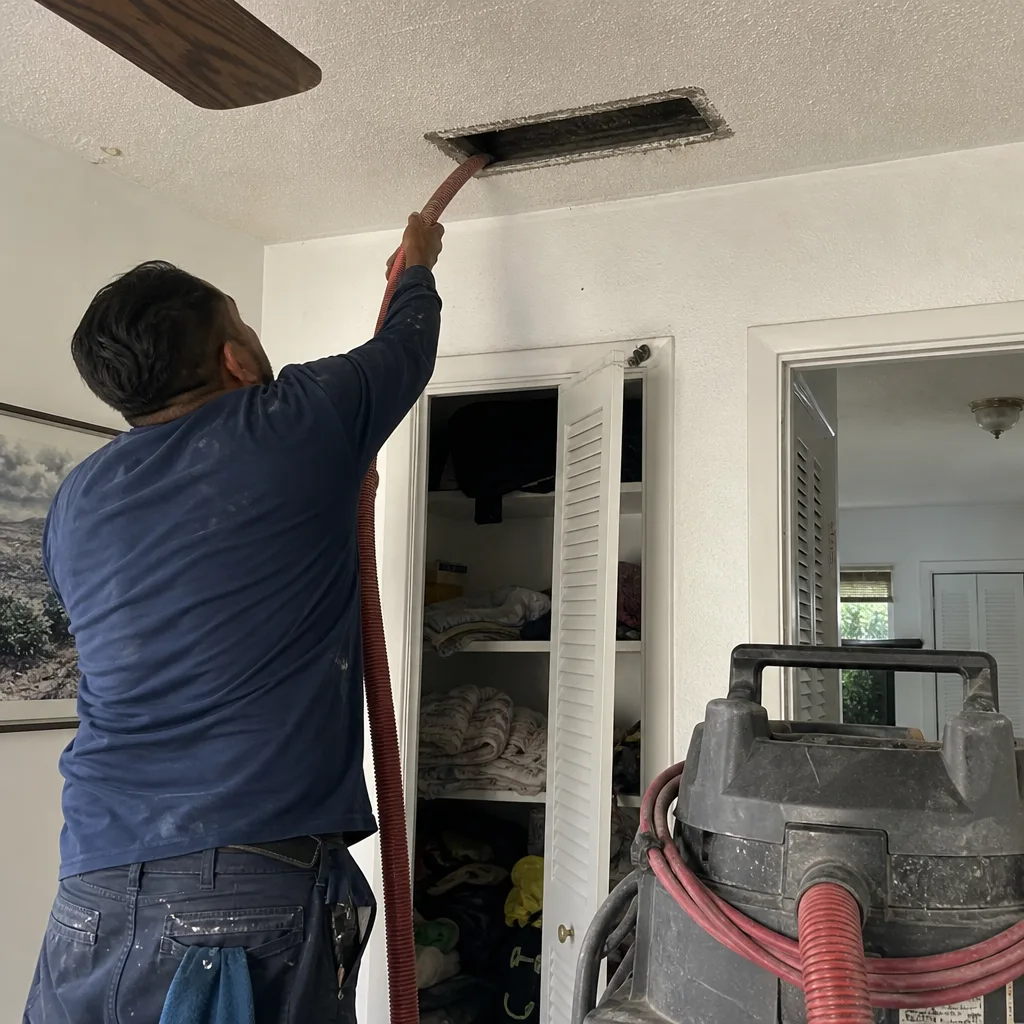 Before
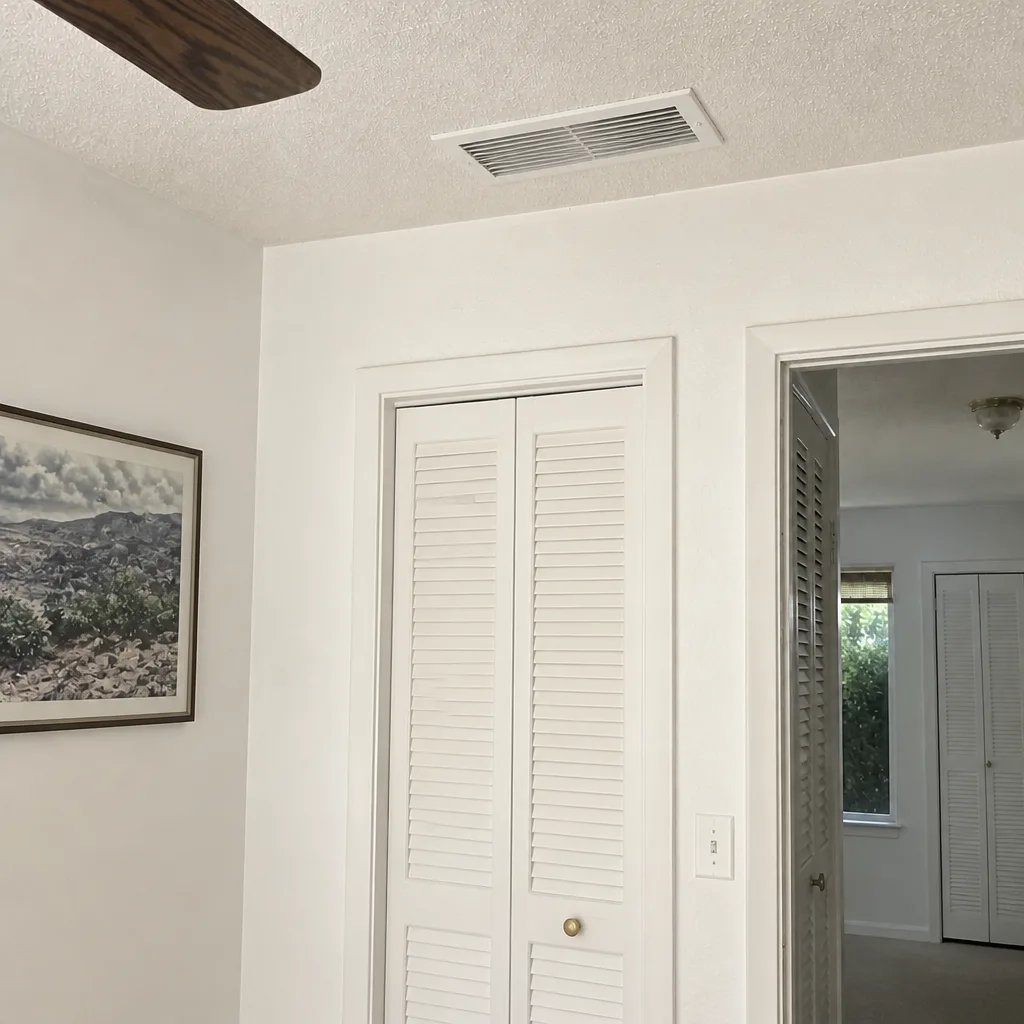 After
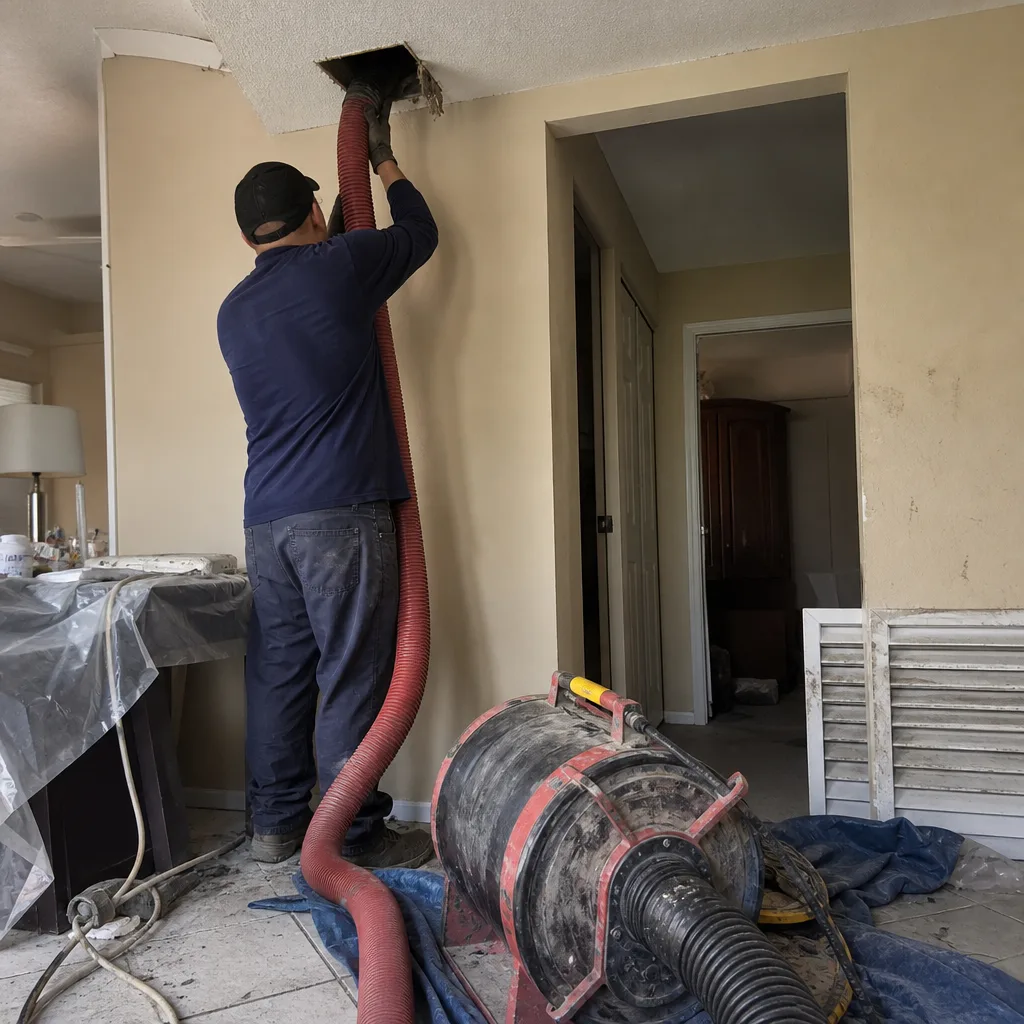 Before
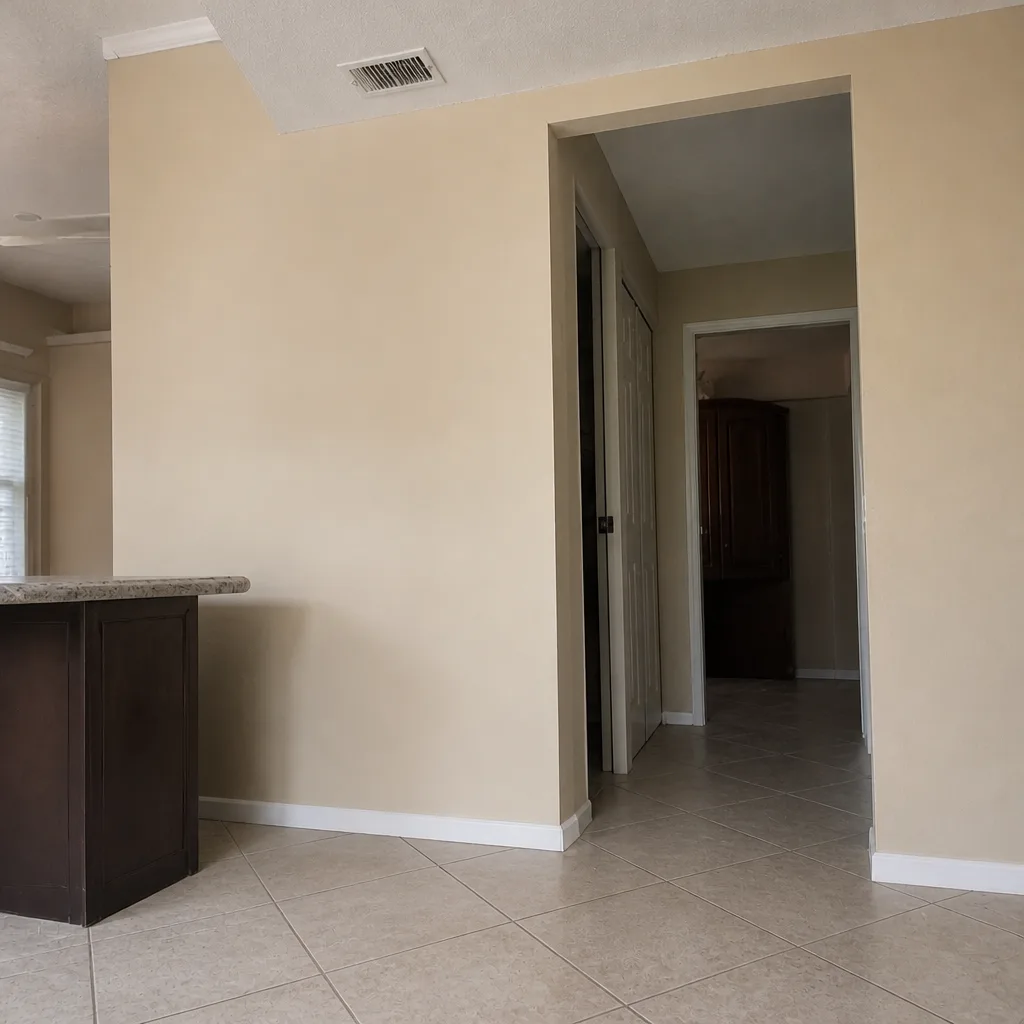 After
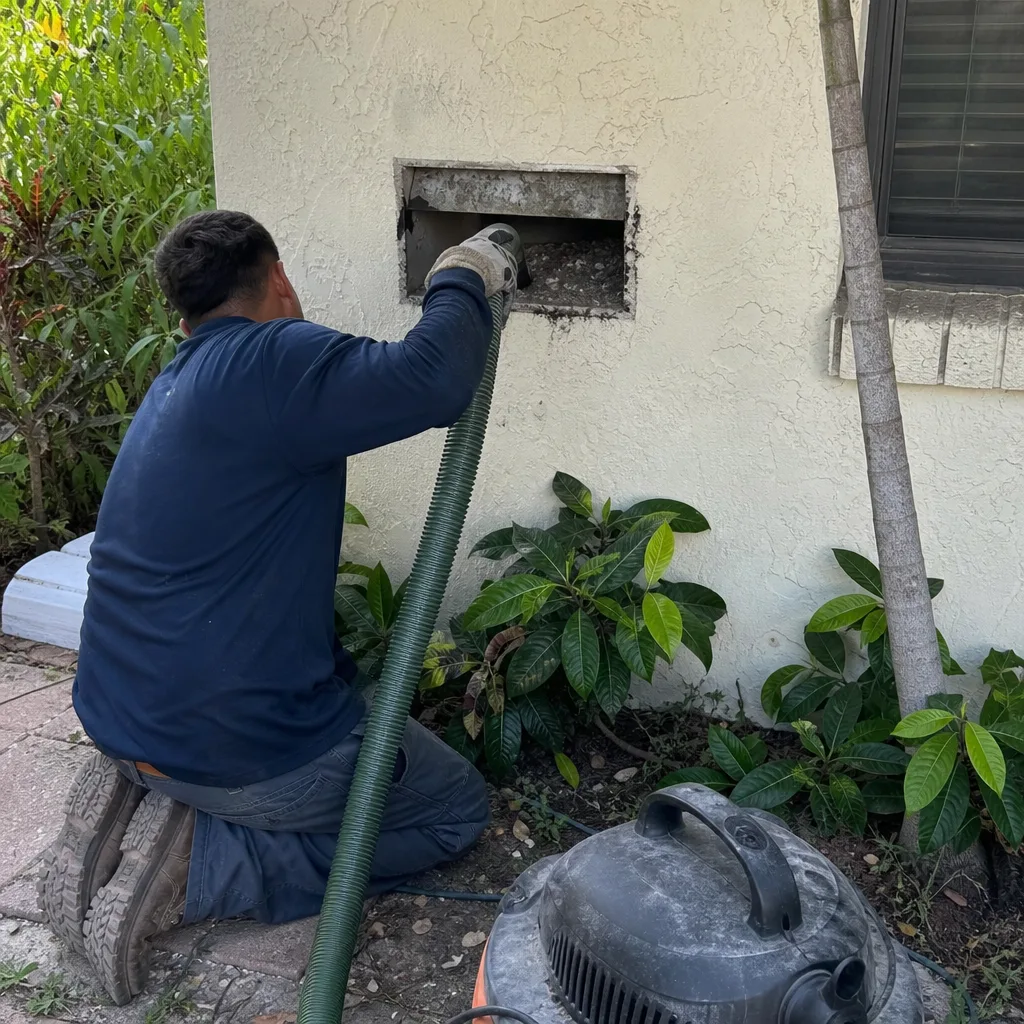 Before
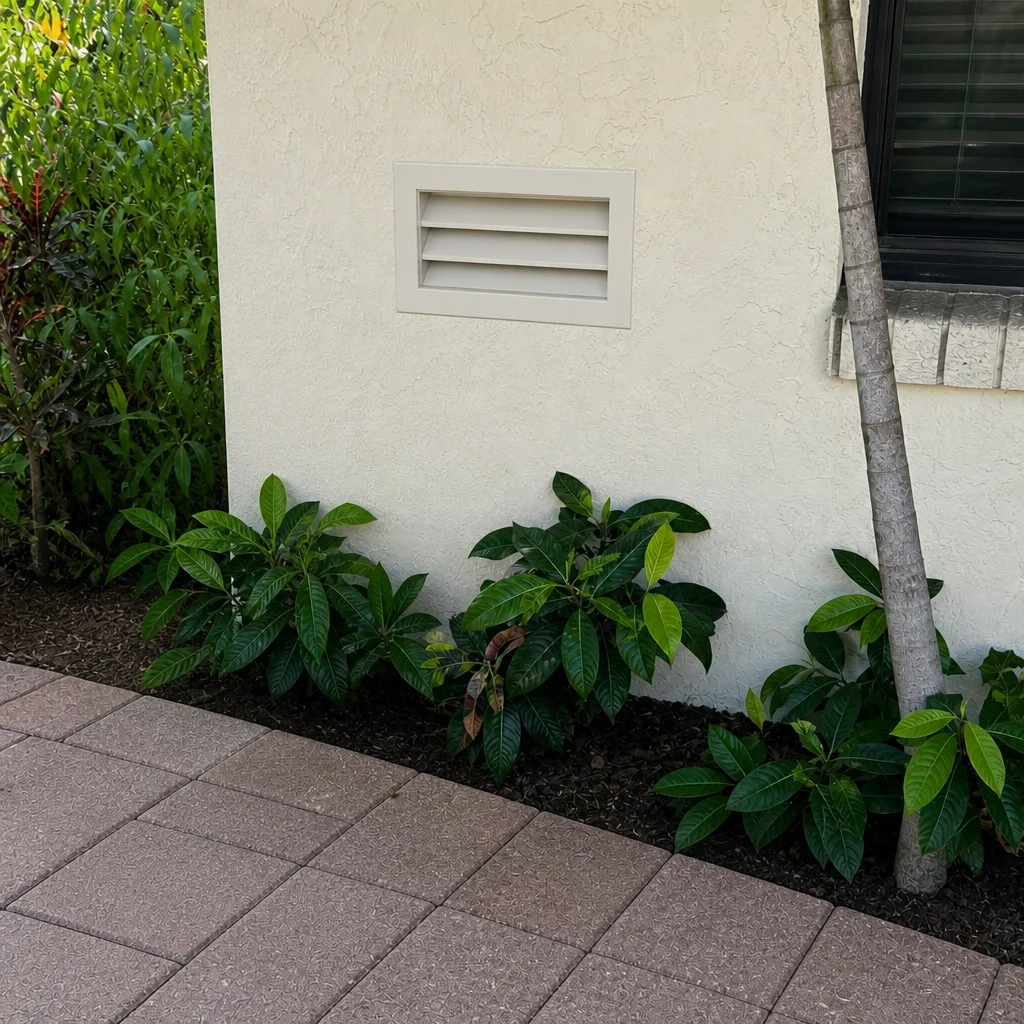 After
When to Call a Professional
Call a professional any time you find visible water staining near a register, any musty odor from a return, or any sign that storm intrusion reached the duct path. Call after a nearby structure fire, even if you aren’t yet smelling smoke inside. Call if your post-restart check turns up dust puffs, whistling, or coil icing that didn’t exist before the storm. If your home is older and you don’t know the last time the ducts were inspected, an inspection is worth the appointment. Hollywood Duct Cleaning offers free estimates in Hollywood; call (866) 361-9843. We answer 24/7. Fast dispatch from 7am to 7pm, Sunday through Friday.
Frequently Asked Questions
As soon as you suspect water intrusion, ideally within the first few days and before you run the system. Mold can begin colonizing damp duct surfaces quickly, so early inspection is the single best window for minimizing damage. Call (866) 361-9843 for an exact assessment; estimates are free.
No. Running the system recirculates air through the whole house and can spread moisture and debris rather than drying the ducts. Proper dry-out happens with the system off, followed by a camera inspection before any restart. Call (866) 361-9843 to book an inspection first.
Cleaning removes the mold and the substrate it attaches to when the duct surfaces are intact, but it only works on a system that has already been dried and repaired. Mold on damaged insulation or compromised sections needs those sections replaced before cleaning makes sense. Call (866) 361-9843 and we’ll advise on what your system actually needs; estimates are free.
Coverage depends on your policy and how the damage was caused, but documentation is what drives the outcome. A camera inspection record from before the storm makes the strongest case, so having one on file matters. We can supply before-and-after images from any cleaning or repair for your claim file; call (866) 361-9843 for an exact scope and quote.
Yes. Smoke particulate moves into a home’s air intake whenever outdoor air is drawn inside, and Hollywood’s dense layout means a fire several lots away can affect your system. A contact-agitation cleaning with proper containment is typically what’s needed to remove it. Call (866) 361-9843 to schedule an inspection; estimates are free.
Contact agitation and negative pressure. A Rotobrush method physically breaks debris off duct walls, and Nikro extraction equipment keeps the run under negative pressure so loosened material is captured rather than recirculated. Abatement Technologies air-quality equipment maintains containment and air safety on the job. If a quote you’ve received doesn’t mention these methods or their equivalents, ask what equipment will actually be on site. Call (866) 361-9843 and we’ll walk you through it; estimates are free.
The Bottom Line
Storm damage to a Hollywood home’s ductwork is a timing problem more than anything else. The damage itself happens fast, but the decisions that follow – whether you dry first, inspect second, and clean third – determine whether the system comes back clean or spreads contamination through every room. Three things are worth remembering: never restart after a storm without checking the ducts, cutting corners on the sequence always costs more than the sequence itself, and pre-storm documentation is what protects you on the insurance side. A free estimate from Hollywood Duct Cleaning will tell you where your system stands. Call (866) 361-9843. We answer 24/7. Fast dispatch from 7am to 7pm, Sunday through Friday.
Written by the team at Hollywood Duct Cleaning.