
Last updated November 15, 2026
 Whole-home duct cleaning
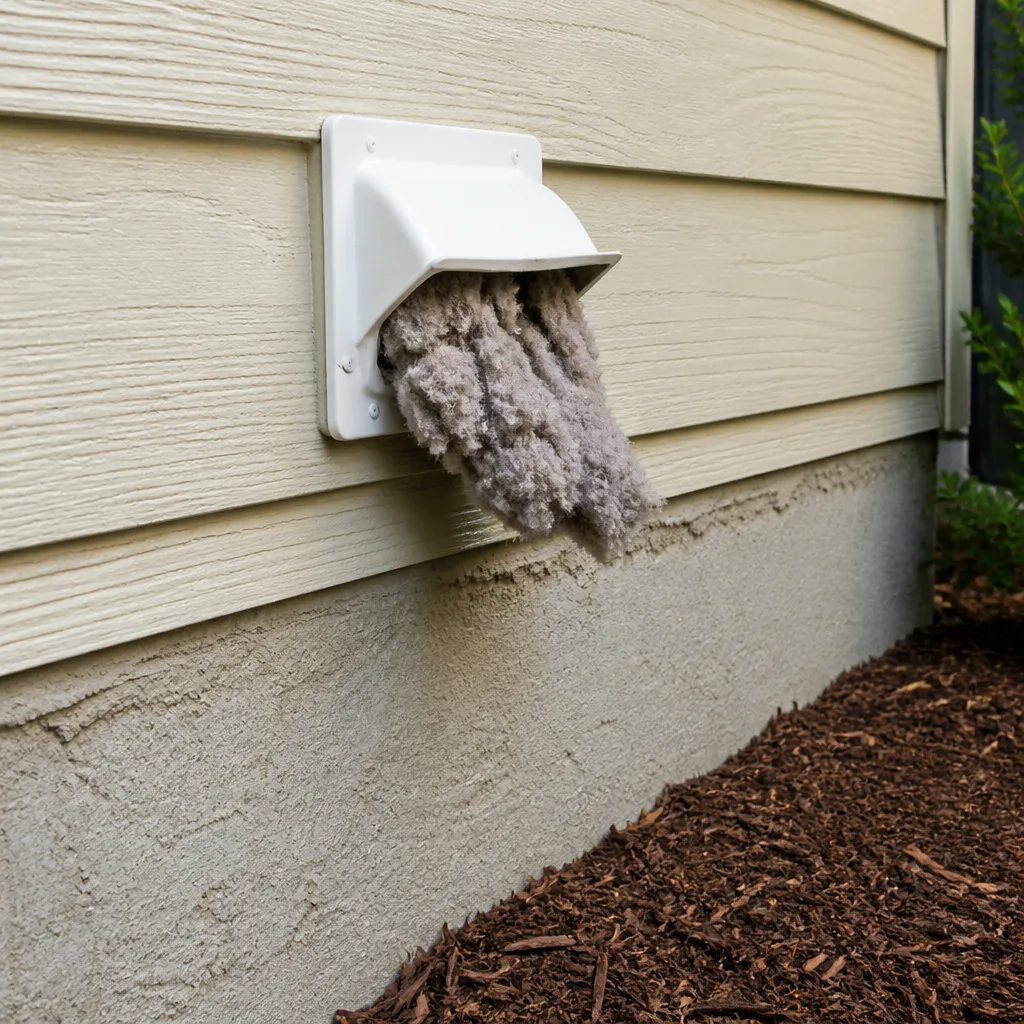 Dryer vent cleaning
 Camera inspection
 Sanitizing & deodorizing
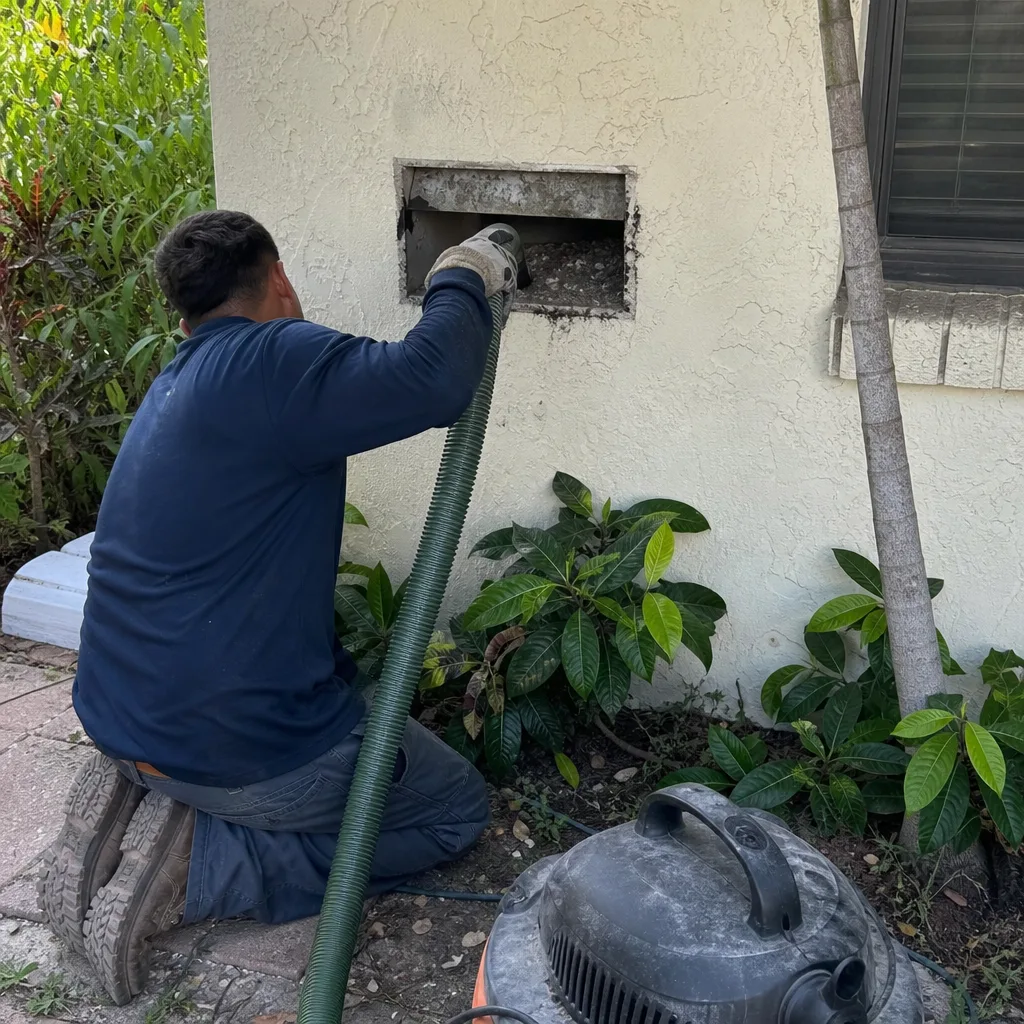
Whole-system duct and dryer vent check with before-and-after photos - you see exactly what came out of your vents
That "$99 whole-house special" is a bait ad - the real number appears once they are in your hallway, or the "clean" is a shop-vac at the register. We photograph the inside of your ducts before and after instead.
Air Duct Cleaning Permits, Codes & Inspections in Hollywood, FL: What You Need to Know
Most homeowners assume duct cleaning is permit-free, and for routine cleaning they’re right. But the moment a job crosses from cleaning into repair, replacement, or modification of ductwork in Florida, the rules change completely. A technician who opens a wall to patch a collapsed duct section without the right permit can leave you exposed when you sell the house or file an insurance claim. This guide draws that line clearly: what’s maintenance, what’s mechanical work, when Broward County requires a permit, who has to pull it, and what to ask before anyone starts. If you own or manage property in Hollywood, this is the regulatory picture you actually need.
Quick Answer
Routine air duct cleaning in Hollywood, FL generally requires no permit because it’s classified as maintenance. Duct repair, replacement, or modification of the duct system is mechanical work under the Florida Building Code and typically requires a permit pulled by a licensed mechanical contractor. Unpermitted duct work can surface during a resale inspection or an insurance claim and create real liability for the homeowner, so the safe move is to confirm before work begins which category your job falls into.
Styles & brands we work with
- Whole-home duct cleaning
- Dryer vent cleaning
- Camera inspection
- Sanitizing & deodorizing
Table of Contents
- Cleaning vs. Repair: Where Florida Draws the Line
- Broward County Permits for Duct and HVAC Work
- Who Pulls the Permit: Licensed Contractor vs. Technician
- Duct Repair Scenarios That Come Up During Cleaning
- How Unpermitted Duct Work Affects Resale and Insurance
- What a Duct Inspection Actually Looks At
- Questions to Ask Before You Book a Cleaning
- Why Hollywood’s Climate and Housing Shape Duct Work
Cleaning vs. Repair: Where Florida Draws the Line
The Florida Building Code treats duct cleaning as maintenance and duct repair as mechanical construction. That distinction is the whole ballgame. Cleaning removes accumulated debris from inside a duct system that is otherwise intact and functioning. Repair changes, replaces, or reconnects part of the system itself. One is routine upkeep; the other alters the mechanical system of the home.
In practice, the line looks like this:
- Cleaning (typically no permit): Agitating and extracting debris from duct walls, cleaning registers and grilles, cleaning the air handler cabinet exterior, and cleaning the blower compartment where accessible.
- Repair (typically permit required): Replacing a run of flex duct, reconnecting a disconnected trunk line, sealing or rebuilding a plenum, modifying duct sizing or routing, and installing new ductwork during a renovation.
- The gray zone: Taping a small joint, replacing a torn section of flex, or re-securing a boot at the register. Some of these are minor and some are structural, and the difference is a judgment call a licensed mechanical contractor is qualified to make.
This is why we separate cleaning from repair as two distinct services rather than folding them together. When a cleaning job turns up compromised ductwork, the right move is to document it, stop, and route the repair through the proper channel, not to patch it on the fly. That approach protects you and it keeps the work honest. For a fuller picture of what cleaning on its own involves, see our air duct cleaning page.
A duct system that’s sealed and intact is a closed mechanical assembly. When you cut into it, alter its pressure balance, or splice in new material, you’re changing something the building code cares about. That’s the reasoning behind the permit requirement, and it’s why “we’ll just fix it while we’re here” is a phrase that should make you pause.
Broward County Permits for Duct and HVAC Work
Broward County and the City of Hollywood each administer their own permitting through their building departments, and the specific forms, fees, and review timelines change. What doesn’t change is the underlying rule: work on the mechanical system of a structure generally requires a permit and inspections. So rather than chase a fee schedule that goes stale, here’s the process that stays reliable:
- Confirm the scope in writing. Ask the contractor to state, on paper, whether the job is cleaning only or includes repair or replacement.
- Ask who holds the license. If a permit is required, the licensed mechanical contractor of record pulls it. Get that name and license before work starts.
- Verify the permit before the first cut. A permit number you can look up through the local building department means the work is tracked and subject to inspection.
- Schedule the inspection. Permitted mechanical work is inspected, usually at rough-in and again at final. The contractor coordinates this; you should know it’s happening.
- Keep the paperwork. The final inspection sign-off and the permit record belong with your home’s documents. They’re worth real money at resale.
For anything specific to your property, the Hollywood building department is the authority, and a quick call there settles most questions faster than any general guide can. What we can tell you from doing this work in Hollywood is that the projects that go smoothly are the ones where the scope was defined before anyone touched a duct.
Who Pulls the Permit: Licensed Contractor vs. Technician
A cleaning technician and a licensed mechanical contractor are not interchangeable, and the permit rules reflect that. Cleaning is maintenance work. Repair, replacement, and modification of ductwork fall under mechanical contracting, which means the person or company pulling the permit holds a state or local mechanical license. A technician who cleans ducts may be highly skilled at the cleaning itself and still not be the party who can legally pull a mechanical permit.
What this means for you:
- If the job is cleaning: no permit, no license required for the cleaning itself, though you still want a company that uses proper equipment and works cleanly.
- If the job is repair or replacement: the permit is pulled by a licensed mechanical contractor, and the work is inspected.
- If a cleaner finds a problem mid-job: the correct response is to document it, explain it to you, and route the repair through a licensed contractor rather than doing it under the cleaning ticket.
We say this plainly because the alternative is common. A company shows up to clean, finds a disconnected duct, tapes it, and moves on. It looks like good service in the moment. It isn’t, if that repair should have been permitted and inspected. Our position is that duct repair is its own service with its own rules, and we treat it that way. You can read more about how that works on our Hollywood duct cleaning overview.
The practical test is simple: ask who will hold the permit and what license they carry. A contractor who can answer that directly is working on the right side of the code. One who deflects or says permits aren’t needed for “small stuff” is telling you something about how they operate.
Duct Repair Scenarios That Come Up During Cleaning
Duct cleaning regularly turns up problems that cleaning alone can’t fix, and knowing which ones matter for permits helps you react correctly. These are the situations we run into most often in homes across Hollywood, and they fall roughly into three buckets: cleaning-only, repair, and repair-with-permit.
Often cleaning-only:
- Dust and debris buildup on duct walls (this is the core of the job).
- Dirty registers and grilles.
- A small amount of debris in the blower compartment, cleaned as part of the service.
Repair work that needs a qualified contractor:
- Disconnected or slipped flex duct at a boot or trunk connection.
- Torn or crushed flex runs behind a wall or in an attic.
- Failed mastic or tape at a plenum or trunk joint.
- Duct runs that were poorly installed and never sealed properly.
Repair work that typically requires a permit and licensed mechanical contractor:
- Replacing a full run of duct, especially if it’s routed differently.
- Rebuilding a plenum or changing the configuration of the air distribution system.
- Modifying duct sizing, adding or removing runs, or connecting new equipment.
- Any repair that requires opening walls or altering structure to access the duct.
In our experience, a system that’s been running with a disconnected duct for a long stretch often has a second problem hiding behind the first. A proper repair diagnoses the whole system rather than fixing one joint and calling it done. That’s why we run duct repair as a standalone service, with the diagnostic work to match. Our dryer vent cleaning service gets the same scrutiny, because a clogged dryer vent is a documented fire risk and not a minor add-on. For property managers and homeowners in Hollywood, keeping the whole air and vent system honest is the point.
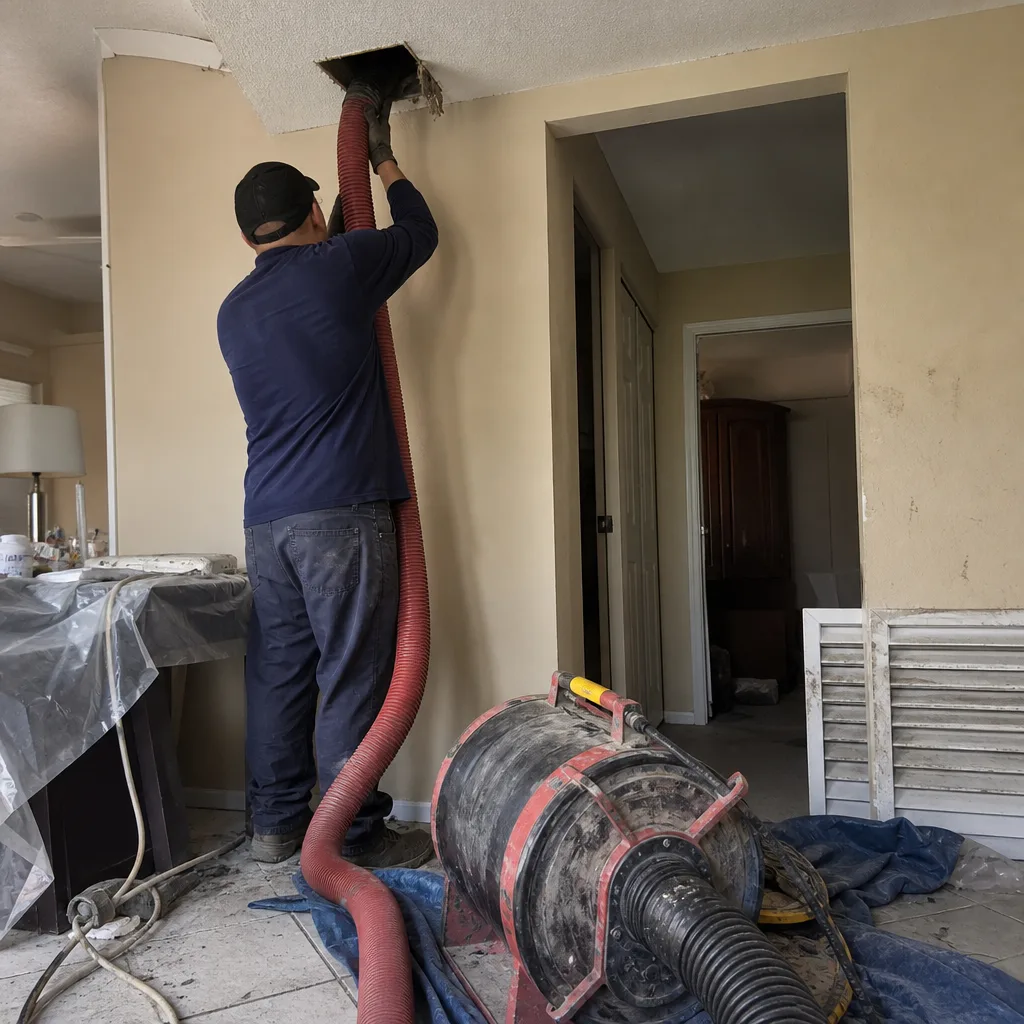
When we clean, we use the Rotobrush contact-cleaning system to agitate and scrub debris off the duct walls, and Nikro extraction equipment to hold negative pressure so dislodged debris doesn’t recirculate into the living space. That’s containment, not a magic wand. When the cleaning reveals a repair, the repair gets handled as repair.
How Unpermitted Duct Work Affects Resale and Insurance
Unpermitted duct work can come back to bite you at two moments: when you sell and when you file a claim. At resale, a buyer’s inspector looks at the mechanical system, and a permit record that doesn’t match the visible work is a red flag. In Florida, that often means the seller has to obtain a retroactive permit, open up walls for inspection, or credit the buyer for the uncertainty. Any of those costs more than the permit would have.
On the insurance side, the issue is disclosure. When you file a claim connected to the mechanical system, the insurer may ask whether the work was permitted and inspected. If a repair that should have been permitted wasn’t, the claim tied to that system can be denied. That’s the scenario worth avoiding, and it starts with a technician deciding a patch was too small to bother with.
There’s also the resale-disclosure question. Florida sellers are expected to disclose known defects and the status of work done on the property. Duct work that was never permitted is exactly the kind of thing that belongs on that disclosure, and a buyer’s agent will ask about it. Having clean permit records and inspection sign-offs makes that conversation short.
Property managers in Hollywood deal with this more than most, because turnover means repeated inspections and a paper trail that has to hold up. If you manage rentals, keep the permit and inspection records with the unit’s maintenance file. It’s the cheapest insurance you’ll ever buy on a duct repair.
What a Duct Inspection Actually Looks At
A duct inspection isn’t the same as a cleaning, and it isn’t the same as a home inspection. When a building department inspects permitted mechanical work, they’re checking the work against the code that governs it. When an indoor air quality professional inspects, they’re looking at condition and performance. Here’s what each generally covers:
Permitted-work inspection (building department):
- Whether the duct material used meets code requirements for the application.
- Whether the system is sealed, supported, and routed correctly.
- Whether the connections, plenum, and equipment are installed as permitted.
- Whether the work matches the permit scope, and a final sign-off when it does.
Condition inspection (professional eyes on the system):
- Visible debris buildup and whether the duct walls have been cleaned, not just swept through.
- Disconnected, crushed, or poorly sealed runs.
- Condition of the air handler, blower compartment, and filter setup.
- Whether the filtration and air treatment components (we work with Honeywell and Aprilaire systems) are doing their job.
- Dryer vent condition, because it’s part of the same indoor air picture and a separate safety concern.
- Document first. Before anything is cleaned or repaired, the condition of the system should be photographed and explained to you.
- Separate cleaning from repair in the scope. The written scope should say which is which.
- Route repairs through the licensed contractor. If a permit is needed, the contractor of record pulls it.
- Get the sign-off. Keep the inspection record with the home’s documents.
- Recheck the system after repairs. A repaired duct system should be verified for airflow and sealing, not just visually confirmed.
One more note on equipment. Cleaning a duct system properly takes more than a vacuum wand passed through the opening. Contact cleaning with the Rotobrush system is how you get debris off the duct walls rather than leaving it stuck there looking clean. Containment matters too: Nikro extraction and the class of air-quality equipment we use from Abatement Technologies are what keep the process from making the air worse before it gets better. Ask any company you hire what they use. The answer tells you whether they’re cleaning or just visiting.
Questions to Ask Before You Book a Cleaning
The right questions before the job starts save the most trouble. Here are the ones worth asking any company you’re considering, including us:
- “Is this cleaning, or does it include repair?” Get the scope in writing. If it’s cleaning only, there should be no repair work on the same ticket.
- “If you find a duct repair, what happens?” The answer should involve documentation, a separate scope, and a licensed mechanical contractor if a permit is needed. It should not involve patching it and moving on.
- “Who pulls the permit if the work requires one?” If they can’t name the licensed contractor of record, that’s a problem.
- “What equipment do you use?” You’re listening for contact cleaning and proper containment, not a shop vac and good intentions.
- “Will I see before-and-after photos of my own ducts?” Documentation is the whole game. If they can’t show you what your system looked like before and after, the claim is unverifiable.
- “Is the estimate written, and is the price agreed before work starts?” It should be. A written estimate with a flat price per system protects you from the bait-and-switch pattern.
- “Do you service the filtration and air treatment equipment?” If the home has Honeywell, Aprilaire, or Guardsman components, the answer matters. Duct cleaning that ignores the filtration system is only half the job.
We’ll add one we think matters most: “How often does this actually need doing?” For most homes, duct cleaning isn’t an annual event. The honest answer depends on the home, the filtration setup, pets, recent renovations, and what the system looks like inside. A company that wants to clean your ducts every year without looking at them first is selling maintenance you may not need. A company that inspects and tells you the truth is worth keeping.
Why Hollywood’s Climate and Housing Shape Duct Work
Hollywood’s climate is a factor in duct work in ways that don’t show up in a code book. The region runs warm and humid for most of the year, and air conditioning doesn’t get a long off-season. A duct system that carries cool, conditioned air through a hot attic sees condensation on the outside of the duct, and condensation is a slow path to compromised insulation, mold growth, and eventually a failure at the joints. That’s not a marketing angle; it’s physics, and it’s why sealing and insulation integrity matter more here than in a drier climate.
Housing stock shapes it too. Hollywood has a wide mix of homes, from older post-war block construction to newer builds and condos, and the duct systems vary just as widely. Older homes often have duct work that’s been added to, patched, and rerouted over the years. Newer homes can have duct work that was installed wrong and never checked. Condos and townhomes bring their own questions about who is responsible for which part of the system, and that’s worth understanding before a repair is scoped.
The practical takeaway is that in Hollywood, cleaning and repair work together as a system. A home that’s been cooling a hot attic for years deserves a real inspection of the duct work, not just a pass with a vacuum. Whether you’re in a house near the downtown core or a condo closer to the Intracoastal, the rules on permits and the reasoning behind them don’t change. What changes is how much repair a system tends to need. If you’re buying a home in Hollywood and the inspection flags duct issues, the right question isn’t “how much to clean it,” it’s “what’s actually wrong and does it need a permit.”
We ask homeowners to think about this before booking: a cleaning on a system with a hidden repair just re-dirties the system. The cleaning is fine work; it’s just the wrong first step. A short inspection up front and a clear scope on paper make the cleaning worth doing.
Common Mistakes to Avoid
- Assuming all duct work is permit-free. Cleaning usually is. Repair and replacement usually aren’t. Treating the two as one category is the mistake that leads to unpermitted work.
- Letting a cleaner patch a repair on the same ticket. A technician who tapes a disconnected duct mid-cleaning is doing work outside the scope of a cleaning. The repair should be scoped, documented, and routed through a licensed contractor.
- Not checking for the permit before the work starts. Confirming the permit upfront is far less costly than discovering the problem at resale or claim time.
- Skipping the written scope. If the estimate doesn’t say whether the job is cleaning or repair, ask. A written, flat-price estimate is your protection against scope creep.
- Believing “small stuff” doesn’t count. Size isn’t the test. Whether the work alters the mechanical system is. A small repair that should be permitted is still unpermitted work.
- Ignoring the filtration system. Cleaning ducts without looking at the filtration and air treatment components leaves the system half-addressed. Honeywell, Aprilaire, and Guardsman systems are part of the picture.
- Never asking for documentation. Before-and-after photos of your own ducts and a written record of what was done make the work verifiable. If a company can’t provide them, you don’t actually know what happened.
See the difference
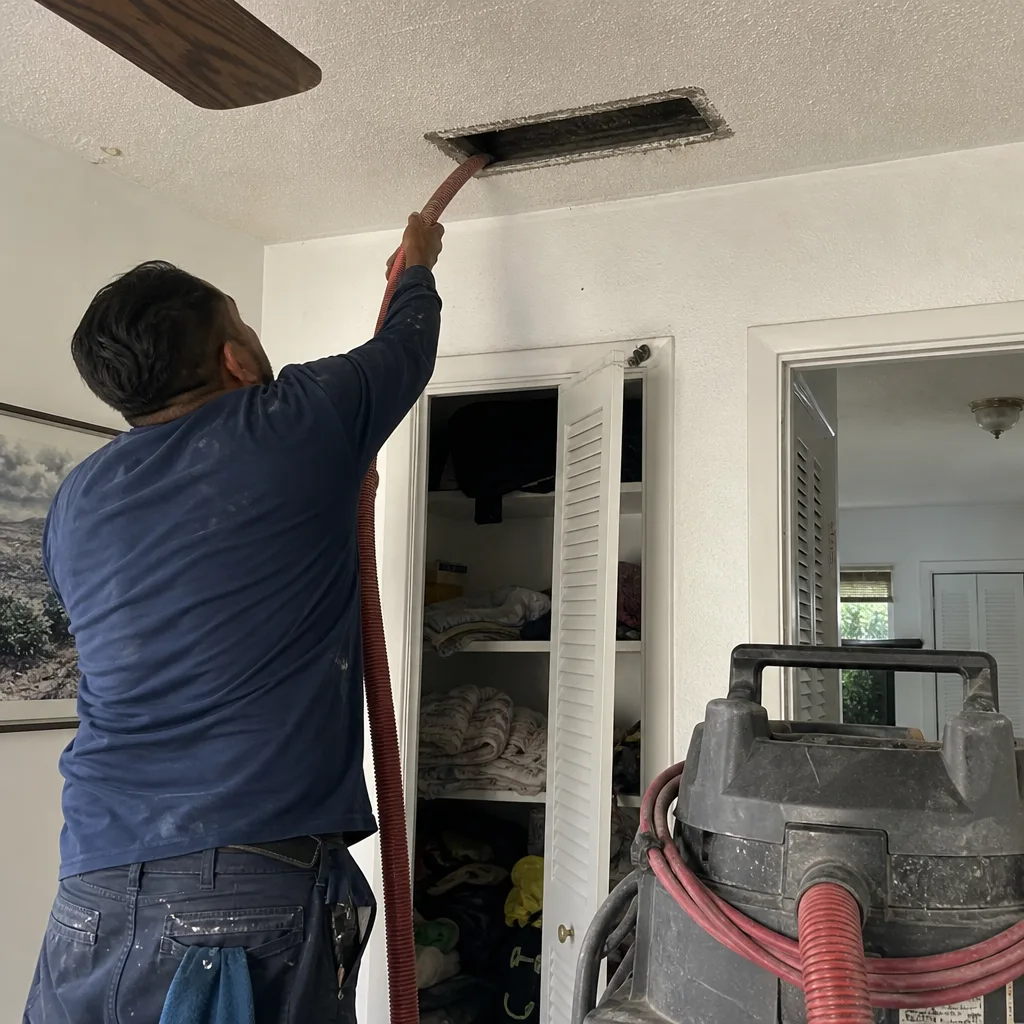 Before
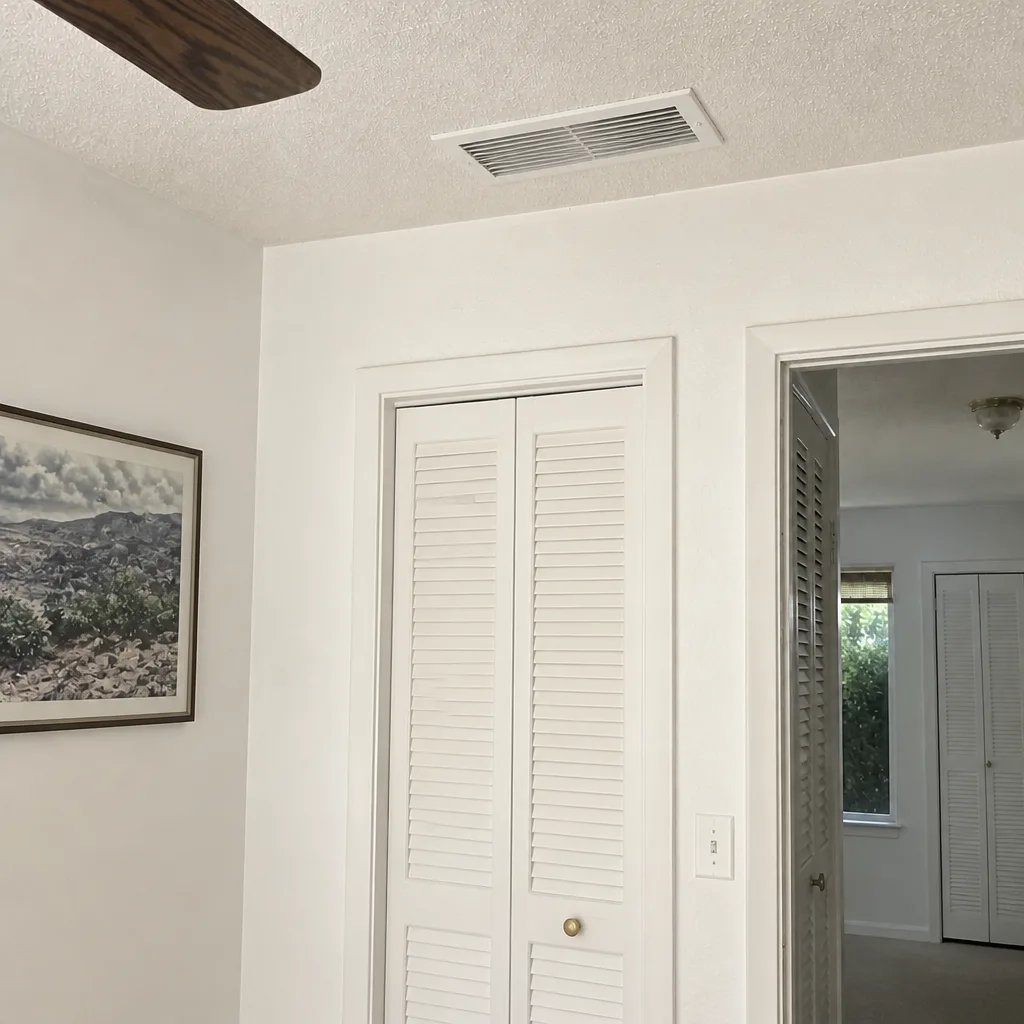 After
 Before
 After
 Before
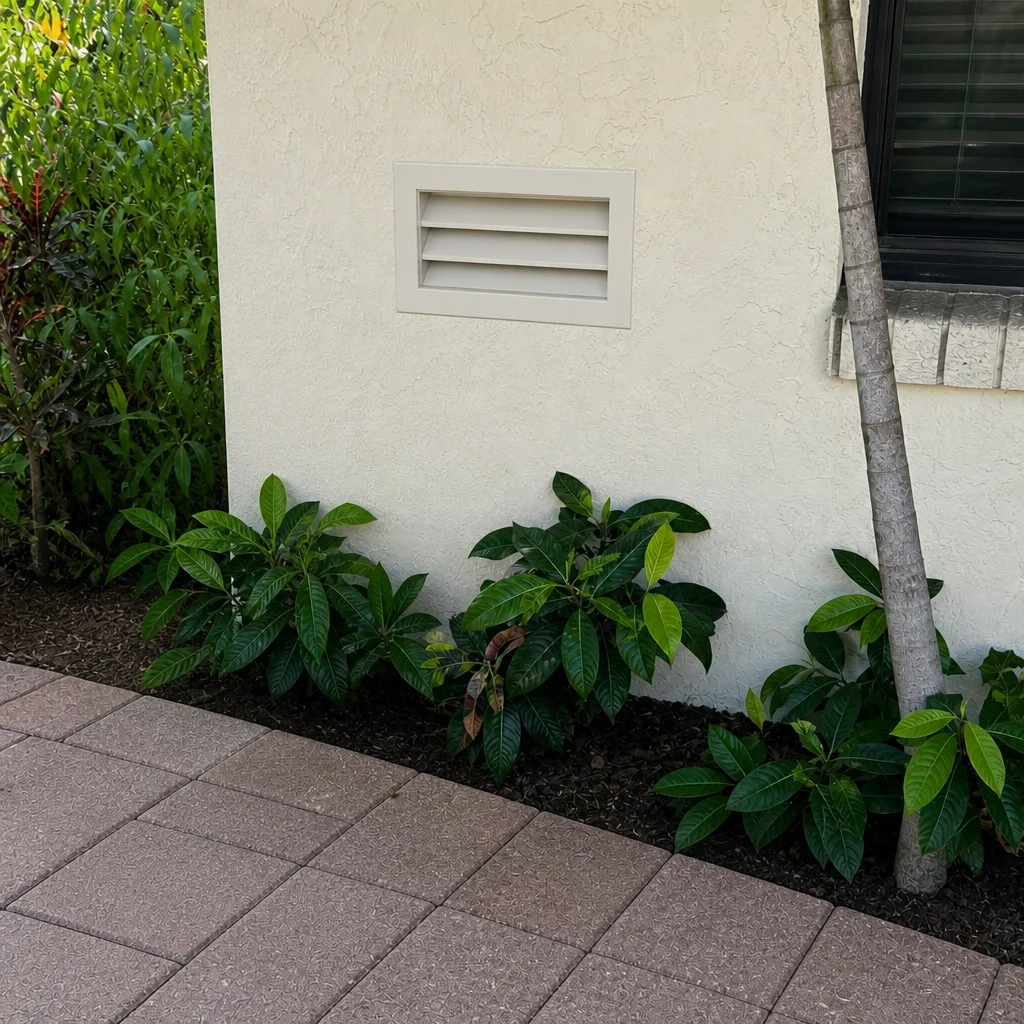 After
When to Call a Professional
Call a professional when the question isn’t whether to clean, but what the system actually needs. That means visible debris blowing out of vents, a recent inspection that flagged duct issues, a new home purchase, allergy concerns, or an HVAC system that’s running harder than it should. It also means any repair situation: a disconnected duct, a crushed run, or duct work exposed during a renovation. Those are not cleaning jobs, and they need to be routed correctly before work starts. Hollywood Duct Cleaning offers free estimates in Hollywood – call (866) 361-9843. We’ll tell you which category your job falls into, and if a permit is needed, we’ll point you to the licensed contractor who can pull it. Estimators do the right thing by telling you what you actually need.
Frequently Asked Questions
Generally no. Routine air duct cleaning is classified as maintenance and typically doesn’t require a permit under the Florida Building Code. The moment the work becomes duct repair, replacement, or modification of the system, it’s mechanical work and generally does need a permit pulled by a licensed mechanical contractor. If you’re unsure which category your job is in, ask before booking, or call (866) 361-9843 for an honest read.
Cleaning removes debris from a duct system that’s otherwise intact, while repair changes, replaces, or reconnects part of the system itself. Cleaning is upkeep; repair is mechanical construction, and the code treats them differently. A torn flex run or a disconnected trunk line is repair, even when it’s discovered during a cleaning. That’s the distinction that decides whether a permit is involved.
A cleaning company can only legally perform repair work if it does so under the appropriate licensed mechanical contractor and pulls the required permit. A cleaning technician who finds a problem should document it and route it correctly, not patch it under the cleaning ticket. Ask any company you hire who holds the permit and license if repair work is needed. If they can’t answer clearly, that’s your answer.
Unpermitted duct work can surface during a buyer’s inspection and force the seller to obtain a retroactive permit, open walls for inspection, or credit the buyer. It can also complicate the required disclosure conversation. In a Hollywood market where inspections are thorough, clean permit and inspection records are a real asset at sale time. The permit is cheap compared to the alternative.
It can. If you file a claim connected to the mechanical system, the insurer may ask whether the work was permitted and inspected, and a repair that should have been permitted but wasn’t can put the claim at risk. Keeping permit records and inspection sign-offs with the home’s documents is the way to avoid the question altogether. For a claim-specific answer, ask your insurer before the work is done.
Ask how they handle a repair found during cleaning, who pulls the permit if one is required, and whether you’ll get before-and-after photos of your own ducts. A company working on the right side of the code will have clear answers to all three. Call (866) 361-9843 for a free estimate and an honest scope before you book.
For most homes, it isn’t an annual need. The honest answer depends on the home, filtration setup, pets, renovations, and condition of the system, so the right first step is an inspection, not a schedule. A company that wants to clean every year without looking at your ducts first is selling maintenance you may not need. Call for a free estimate and we’ll tell you what your system actually needs.
The price is set per job by a written estimate because every home’s duct system is different in size, layout, and condition. What you should insist on is a flat price per system agreed before work starts, not a teaser figure that grows once the technician is on site. The written estimate sets the final price. Call (866) 361-9843 for an exact quote; estimates are free.
The Bottom Line
The permit question comes down to one distinction: cleaning is maintenance, repair is mechanical work. Routine air duct cleaning in Hollywood generally doesn’t need a permit. Duct repair, replacement, or modification generally does, and it needs to be pulled by a licensed mechanical contractor and inspected. Unpermitted work can hurt you at resale and on insurance claims, and the fix is simple: ask who holds the permit before the work starts. If you want a straight read on what your system needs, our team uses professional-grade equipment and tells you the truth about the scope. Call Hollywood Duct Cleaning at (866) 361-9843 for a free estimate. We answer 24/7. Fast dispatch from 7am to 7pm, Sunday through Friday.
Written by the team at Hollywood Duct Cleaning.