
Last updated November 15, 2026
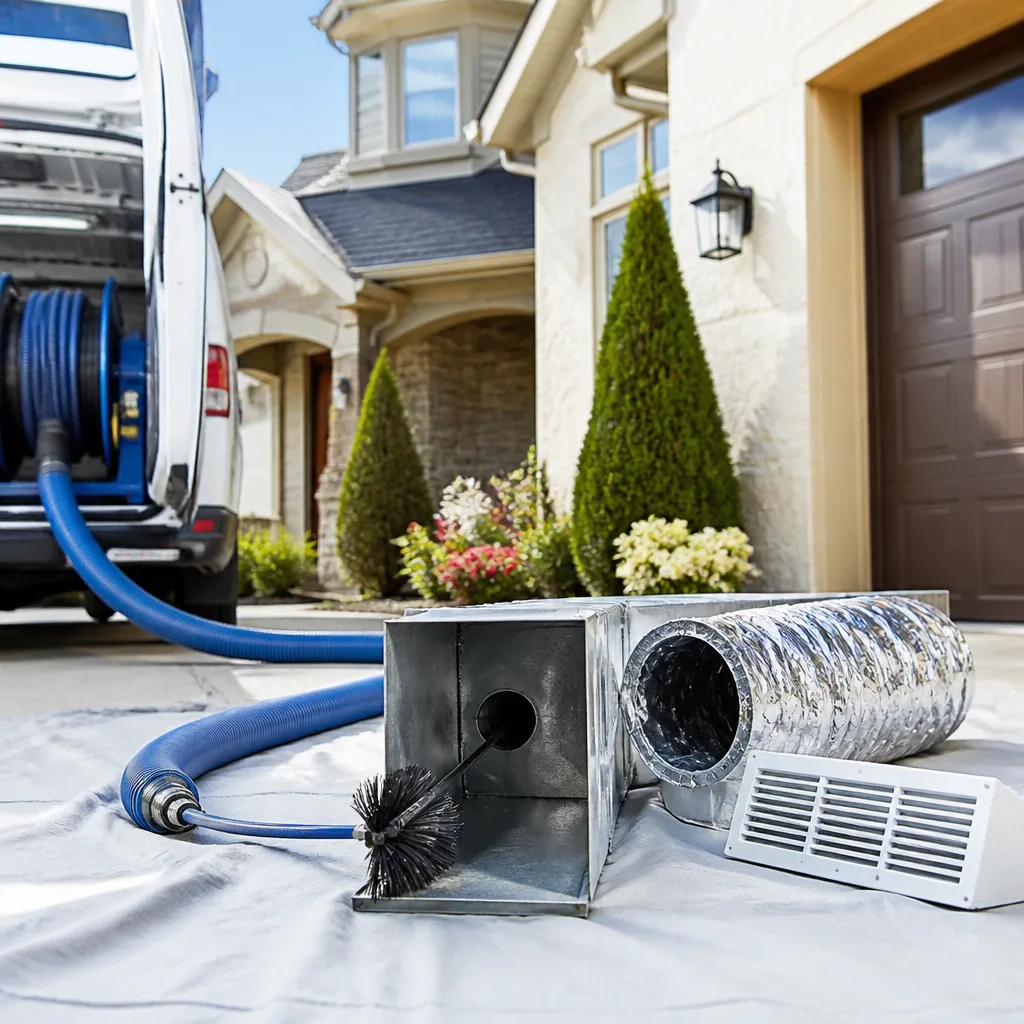 Whole-home duct cleaning
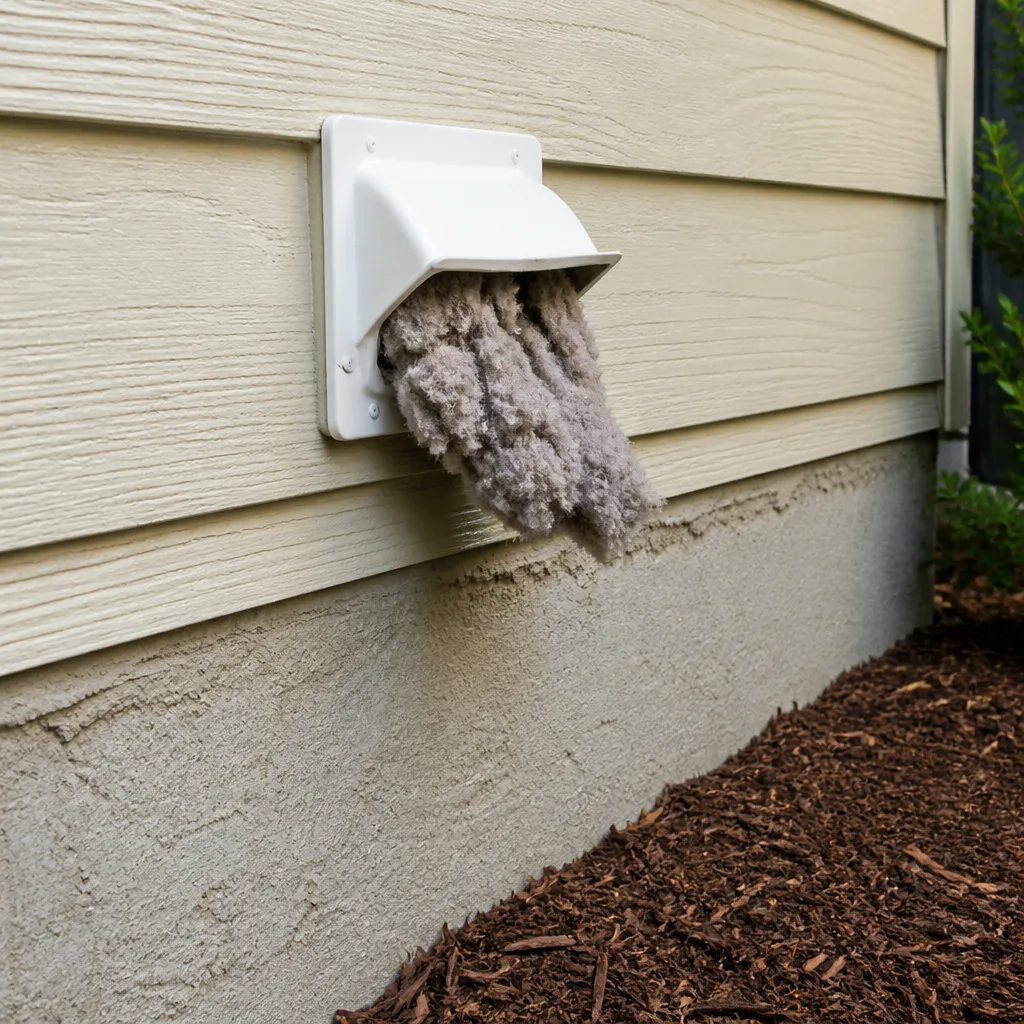 Dryer vent cleaning
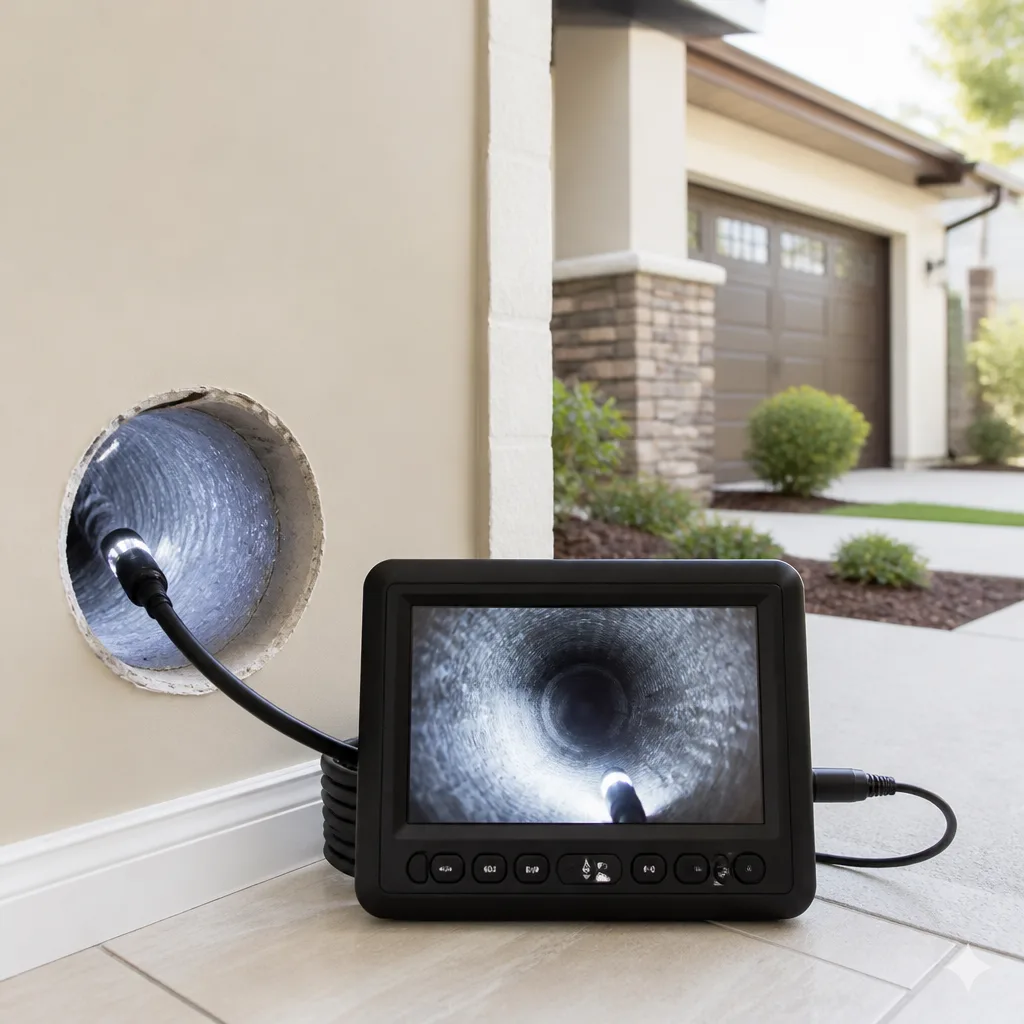 Camera inspection
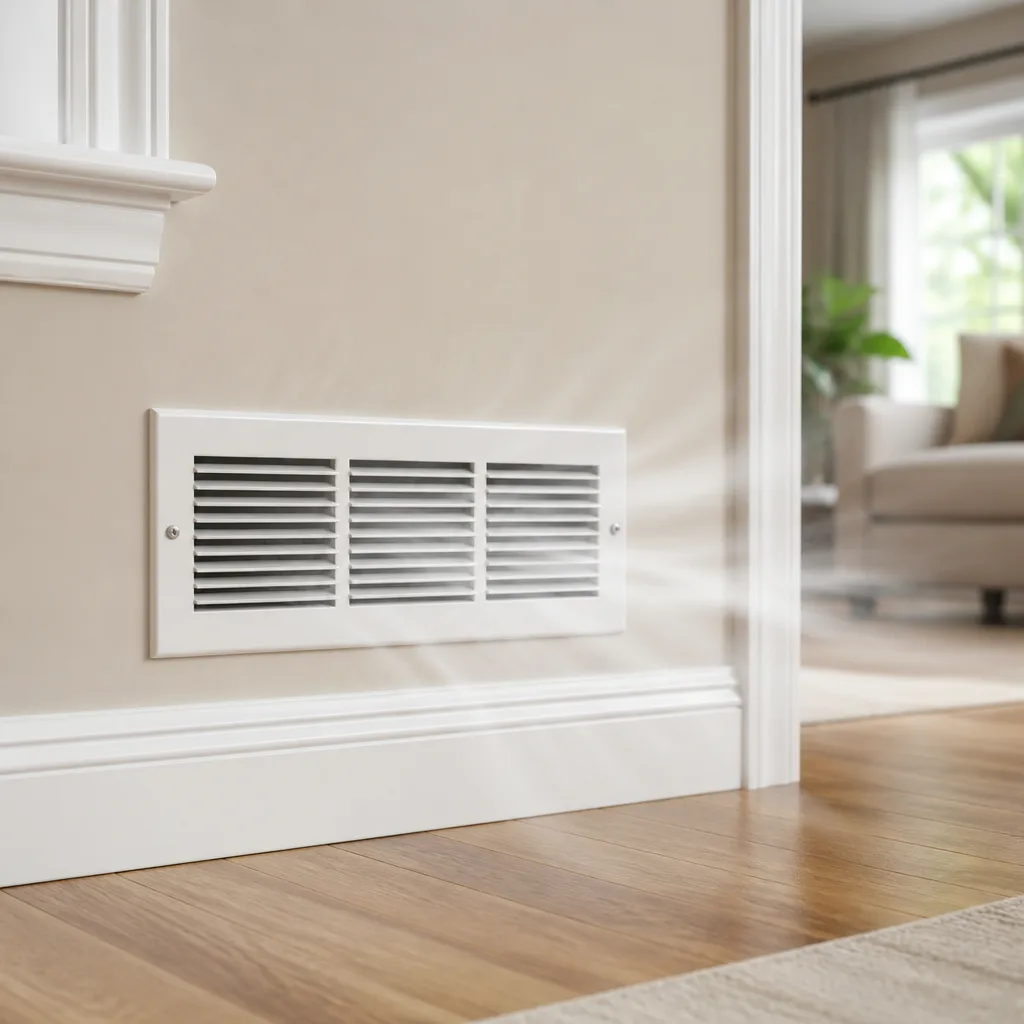 Sanitizing & deodorizing
Whole-system duct and dryer vent check with before-and-after photos - you see exactly what came out of your vents
That "$99 whole-house special" is a bait ad - the real number appears once they are in your hallway, or the "clean" is a shop-vac at the register. We photograph the inside of your ducts before and after instead.
Air Duct Cleaning Maintenance Schedule: What to Do and When
Most homeowners in Hollywood follow the wrong clock. The advice they’ve read online about cleaning ducts every three to five years was written for houses that run their air conditioning a few months a year. In Hollywood, the AC runs almost every day of the year, pulling warm, humid air across the same duct surfaces month after month without a real break. That constant runtime changes how fast dust, pollen, and microbial growth accumulate inside a duct system. This guide gives you a schedule built around how Hollywood homes actually operate, with clear quarterly tasks you can do yourself, an annual professional checkpoint, and the event-based triggers that reset the clock regardless of the calendar.
Quick Answer
In Hollywood, most homes should get a professional duct cleaning every two to three years, and homes with pets, allergies, recent renovation, or heavy year-round AC use often fall closer to the two-year mark. Between professional cleanings, change filters every one to three months depending on the filter’s rating and your household load, wipe down supply registers quarterly, and inspect the dryer vent every three months. Structural duct inspection is a separate interval from cleaning and should happen at each professional visit.
Styles & brands we work with
- Whole-home duct cleaning
- Dryer vent cleaning
- Camera inspection
- Sanitizing & deodorizing
Table of Contents
- Why Hollywood’s Climate Changes the Standard Schedule
- The Climate-Adjusted Baseline for Hollywood Homes
- Quarterly Tasks You Can Do Yourself
- Annual Tasks That Need Professional Equipment
- Using Your HVAC Filter as a Contamination Indicator
- Event-Based Triggers That Reset the Clock
- Structural Maintenance: Duct Connections, Flex Duct, and Seals
- Signs Your Ducts Are Overdue Regardless of Schedule
Why Hollywood’s Climate Changes the Standard Schedule
The generic “every three to five years” rule comes from climate zones where the HVAC system is dormant for a good chunk of the year. During those dormant months, dust that settles in the ducts sits largely undisturbed. In Hollywood, the system rarely gets that break. Warm, humid air moves through the ductwork nearly every day, and that movement does two things: it continuously deposits fine particulate on duct walls, and it keeps relative humidity inside the ducts high enough that organic material stays biologically active.
That second point is the one most national guidance skips. When humidity stays elevated, dust that would otherwise be inert becomes a food source for mold spores and bacteria. Any condensation that forms on cold supply runs in summer adds moisture to the same surfaces. The result is that a Hollywood duct system can accumulate the same amount of biological load in two years that a northern system accumulates in five.
There’s a second Hollywood-specific factor: slab-built homes common across South Florida often have duct runs in the attic or within soffits, which means duct surfaces see higher temperature swings between the conditioned space and the unconditioned cavity. Those swings stress flex duct connections and mastic seams over time, opening small gaps that pull attic air into the supply side. Cleaning removes the buildup, but the gaps stay open until someone inspects and repairs them. That’s why air duct cleaning and duct repair belong on the same maintenance calendar rather than treated as unrelated services.
In short: the Hollywood schedule isn’t just tighter, it’s structured differently. Cleaning and structural inspection run together on a two-year cycle for most homes, while the do-it-yourself tasks fill in between professional visits.
The Climate-Adjusted Baseline for Hollywood Homes
Here’s the baseline we recommend to most Hollywood homeowners, adjusted upward or downward based on household conditions. Think of this as the starting point, not the final answer.
- Standard household, no pets, no allergies: professional cleaning every three years. Structural inspection at each visit.
- One or more pets: professional cleaning every two to two-and-a-half years. Pet dander is finer than household dust and travels deeper into the system before settling.
- Household members with asthma or seasonal allergies: professional cleaning every two years. The margin for error is smaller when the occupants react to small particulate loads.
- Recent renovation or ongoing remodel: a professional cleaning shortly after major work wraps, then back to the standard cycle from that date.
- New-to-you home (recent purchase): one professional cleaning within the first few months regardless of what the previous owner said about timing. You don’t know how the system was maintained.
- Vacation or seasonal property: every three to four years, but the system should be run for at least a few hours each month during vacancy to prevent stagnant humidity buildup in the ductwork.
Notice that every interval is shorter than the widely quoted five-year figure. That’s deliberate. Five years works fine when the system sits idle half the year. In Hollywood, it doesn’t.
Quarterly Tasks You Can Do Yourself
Between professional visits, a handful of simple tasks keeps the system from getting ahead of you. These take maybe thirty minutes total each quarter and they’re the tasks that most homeowners push off until a problem shows up.
- Change or clean the HVAC filter. Check the filter every thirty days and replace it based on what you see, not just the calendar. Standard pleated filters usually last sixty to ninety days in a Hollywood home; higher-MERV filters load faster and may need replacement every thirty to forty-five days.
- Wipe down supply and return registers. A damp cloth across the vanes and face of each register removes the dust that would otherwise get pulled into the airstream. Do this before you run the system, not after.
- Vacuum the return grille with a brush attachment. The return is where the largest volume of dust enters the system. A quick brush-vacuum pass keeps it from becoming a reservoir.
- Inspect the dryer vent. Remove the exterior vent cover and look inside. If lint is visible at the flap, the run needs cleaning. Dryer vent cleaning is a fire-safety task, not a convenience, and it belongs on the same quarterly rhythm as the rest of the list. A professional dryer vent cleaning handles the full run, not just the last few inches.
- Walk the accessible duct runs in the attic or garage. Look for disconnected sections, crushed flex, or tape peeling off at seams. You don’t need to fix anything yourself. Just note anything that looks off and mention it at the next professional visit.
- Test airflow at every supply register. A tissue placed over the grille should flutter consistently on every register in the house. Any register with noticeably weaker airflow than the others signals a supply-side problem worth investigating.
None of these tasks require special equipment, and none of them involve opening the duct system itself. That line matters. Anything that involves reaching into the ductwork, disconnecting a run, or accessing the blower compartment belongs to a trained technician, not a quarterly checklist.
Annual Tasks That Need Professional Equipment
Once a year, some tasks need professional-grade equipment and a trained eye. These are the ones that reveal what the DIY list can’t. Our technicians have up to 14 years of experience with this equipment, and what they look for on an annual walkthrough is different from what a quarterly once-over will show.
- Source inspection at the air handler. The evaporator coil, blower wheel, and drain pan are where the worst biological growth tends to happen. A trained technician checks these without disturbing the sealed system.
- Negative-pressure containment check. When professional equipment runs, the system should be held under negative pressure so dislodged debris doesn’t recirculate into the living space. This is the standard Nikro extraction equipment is designed to maintain, and it’s the reason a proper cleaning looks different from a vacuum wand passed through a register.
- Contact cleaning of duct wall surfaces. Vacuuming alone removes loose debris from the airstream but leaves adhered material on the duct walls. The Rotobrush contact-cleaning system physically agitates and scrubs those surfaces. That’s the standard we hold on every Hollywood Duct Cleaning job.
- Filtration system assessment. If you have a whole-home filter or air treatment unit, we check and service the major brands, including Honeywell and Aprilaire systems, to confirm media is seated correctly and the unit isn’t bypassing air.
- Dryer vent full-run inspection. A quarterly look catches visible lint; an annual professional pass inspects the entire run from the dryer connection to the exterior termination, including any elbows or transitions that hide buildup.
- Containment and air-safety equipment check. Abatement Technologies equipment is the class of gear used in professional indoor air quality work. We use it to protect occupied space during service.
The annual visit is also the right time to have someone look at the structural side of the system, covered in a later section. Cleaning without inspecting the duct shell is only half a maintenance program.
Using Your HVAC Filter as a Contamination Indicator
Your HVAC filter is a low-cost diagnostic tool if you read it correctly. What a filter looks like after thirty days tells you a lot about what’s moving through the duct system.
- Uniform light gray dust: normal load. Your filter is doing its job and your ducts are likely on a standard cycle.
- Dark gray-to-black staining: elevated soot, smoke, or fine carbon particulate. Candle use, cooking, or nearby traffic can drive this. Consider shortening the cleaning interval.
- Visible pet hair matted into the pleats: pet dander load is high. Dander penetrates the filter more deeply than it appears and feeds microbial growth in the ducts.
- Pinkish, greenish, or musty-smelling patches: biological growth on the filter media itself. That’s a sign the humidity load is high enough to support growth and worth a closer look inside the system.
- Visible construction dust or drywall fines: still working through the system from a renovation. Schedule a professional cleaning sooner than the calendar alone would suggest.
- Filter collapsing or bowing inward: pressure drop across the filter is too high. Either the filter is over-MERV for the blower, or the return side is more restricted than it should be.
The pattern across thirty-day filter changes is more useful than any single snapshot. If two consecutive filters look noticeably worse than the previous year’s at the same point, that’s the signal to move the professional cleaning date forward. Keep a note on your phone with the date and a quick description of each filter change; it takes seconds and gives you a real data point when you’re deciding whether the system needs attention.
Event-Based Triggers That Reset the Clock
Some events mark the duct system so thoroughly that the calendar stops mattering. When any of these happen, the next professional cleaning date resets from that event, not from the last service.
- Major renovation or remodeling. Drywall dust, joint compound fines, sawdust, and fiberglass fibers all enter the return system during construction. Even with plastic sheeting and negative air machines, some fine particulate reaches the ductwork. A professional cleaning shortly after the project ends is standard practice. Don’t wait for the calendar.
- Rodent or pest activity. Rodent droppings, nesting material, and pest debris in the ductwork are a contamination event, not a routine cleaning. In a Hollywood home, attic duct runs are a natural entry path for rats and squirrels. A professional inspection and full cleaning with containment is the correct response.
- Water intrusion or roof leak. Any moisture that reaches the duct system creates conditions for mold growth. If a leak has wet insulation near duct runs or dripped onto duct surfaces, get an inspection before running the system for extended periods. Cleaning after the source is repaired addresses the growth; cleaning before the repair addresses nothing.
- New pet in the household. Dander load changes immediately when a pet joins the home. Move the next professional cleaning up by roughly a year on the calendar and shift to a pet-household interval thereafter.
- Immunocompromised household member. When someone in the home is undergoing treatment, has a chronic respiratory condition, or is recovering from surgery, the acceptable particulate load drops. Cleaning every year to eighteen months is a reasonable adjustment, and structural inspection matters more because small leaks pull unconditioned attic air into the supply side.
- New home purchase. Previous maintenance history is unknown. A single professional cleaning, plus inspection and repair of any compromised connections, establishes a clean baseline you can then maintain on a normal schedule.
- Smoke or fire event nearby. Even without direct damage, significant smoke exposure from nearby fires can coat duct surfaces with fine soot particulate. If you can smell smoke indoors when the system runs, schedule an inspection.
The pattern across all seven triggers is the same: the calendar is a floor, not a ceiling. Events can pull the next cleaning forward by months or years, and ignoring them means the next scheduled visit is working on a system that’s already well past due.
Structural Maintenance: Duct Connections, Flex Duct, and Seals
Cleaning removes what’s on the duct walls. Structural maintenance addresses the duct shell itself, and it runs on a separate interval from the cleaning cycle. You can clean a duct system thoroughly and still be pulling attic air through a two-inch gap at every seam. The three structural items to inspect are duct connections, flex duct integrity, and mastic seals.
Duct connections. Every joint between a trunk line and a branch run is a potential leak point. In Hollywood’s attic-installed systems, connections that were tight at installation loosen as the attic temperature swings push and pull against the duct material. Inspect every connection at each professional visit, and repair or re-secure any that have separated.
Flex duct integrity. Flexible duct has an inner liner, a layer of insulation, and an outer jacket. The inner liner is what carries the air, and it’s the layer that tears if something is dragged across it or pinched against a joist. A torn inner liner means the air you’re paying to cool picks up fiberglass and attic dust before it reaches the register. Inspect flex duct at each professional visit for kinks, tears, and crushing.
Mastic seals. Mastic is the gray brushable sealant applied at connection points during installation. It dries out and cracks over time, and mechanical tape lifts at the corners. Resealing is a routine part of air duct repair work and takes less time than a full cleaning when it’s caught early. Caught late, the same leaks have driven enough dust infiltration that the system needs cleaning and sealing in the same visit.
Here’s the practical rule: inspect the structural side of the system every two years, and definitely at every professional cleaning. If you hear whistling at a register, feel air moving at a joint, or see dust streaks around duct tape edges, don’t wait for the interval. Those are visible signs that a leak is already active. A compromised system that gets cleaned but not repaired will be right back where it started within a year.
Signs Your Ducts Are Overdue Regardless of Schedule
Sometimes the schedule says you’re fine but the system tells a different story. These signs mean move the cleaning up regardless of when the last service happened.
- Visible dust puffing out of a supply register when the system starts up.
- Musty or earthy smell that appears within minutes of the system turning on, especially in the first cool-down after a humid summer stretch.
- Family members waking with congestion or sneezing that clears when they’re away from home.
- HVAC efficiency dropping without an equipment or refrigerant explanation.
- Recently increased allergy symptoms in a household where nothing else changed.
- Visible dark staining around supply registers or on the ceiling near a flex duct run in the attic.
- Pest droppings or debris visible in the attic near duct runs.
- Filter changing from clean to loaded in under thirty days with no obvious cause.
Any one of these is worth a professional look. Two or more is a clear signal to schedule a service rather than wait out the calendar. In our experience, most homeowners who call about one of these signs end up finding at least one additional issue on inspection, usually a disconnected flex run or a failed seal that was quietly pulling in unfiltered attic air.
Common Mistakes to Avoid
- Treating the “every three to five years” rule as fixed. That number was set for seasonal-use climates. In Hollywood, it undershoots the right interval for most homes by a year or more. Build the schedule around your household, not the national average.
- Cleaning but never inspecting. A thorough cleaning of a system with a failed mastic seal just re-dirties faster. Structural inspection belongs in the same visit, not deferred.
- Skipping the filter change between professional cleanings. A loaded filter cuts airflow, raises the load on the blower, and lets more particulate bypass into the coil. It’s the cheapest maintenance item on the list and the one most frequently delayed.
- Ignoring the dryer vent because it’s not HVAC. Dryer vent lint buildup is a documented fire risk, not a household nuisance. Quarterly checks and a professional cleaning every year to two years is the standard.
- Assuming a rental property doesn’t need this. Hollywood has a large rental stock. Property managers who wait for a tenant complaint about smell or airflow usually find the system is a year past due by the time the call comes.
- Chasing the lowest quote without asking about equipment. A shop vac passed through a register doesn’t agitate duct walls or maintain negative-pressure containment. Ask what equipment the technician uses before booking. Contact cleaning with a Rotobrush-class tool and Nikro-class extraction are the standards worth comparing against.
- Vacuuming registers only. Wiping down a supply grille cleans the faceplate, not the duct. The debris that matters is inside the run, out of reach of any surface wipe.
See the difference
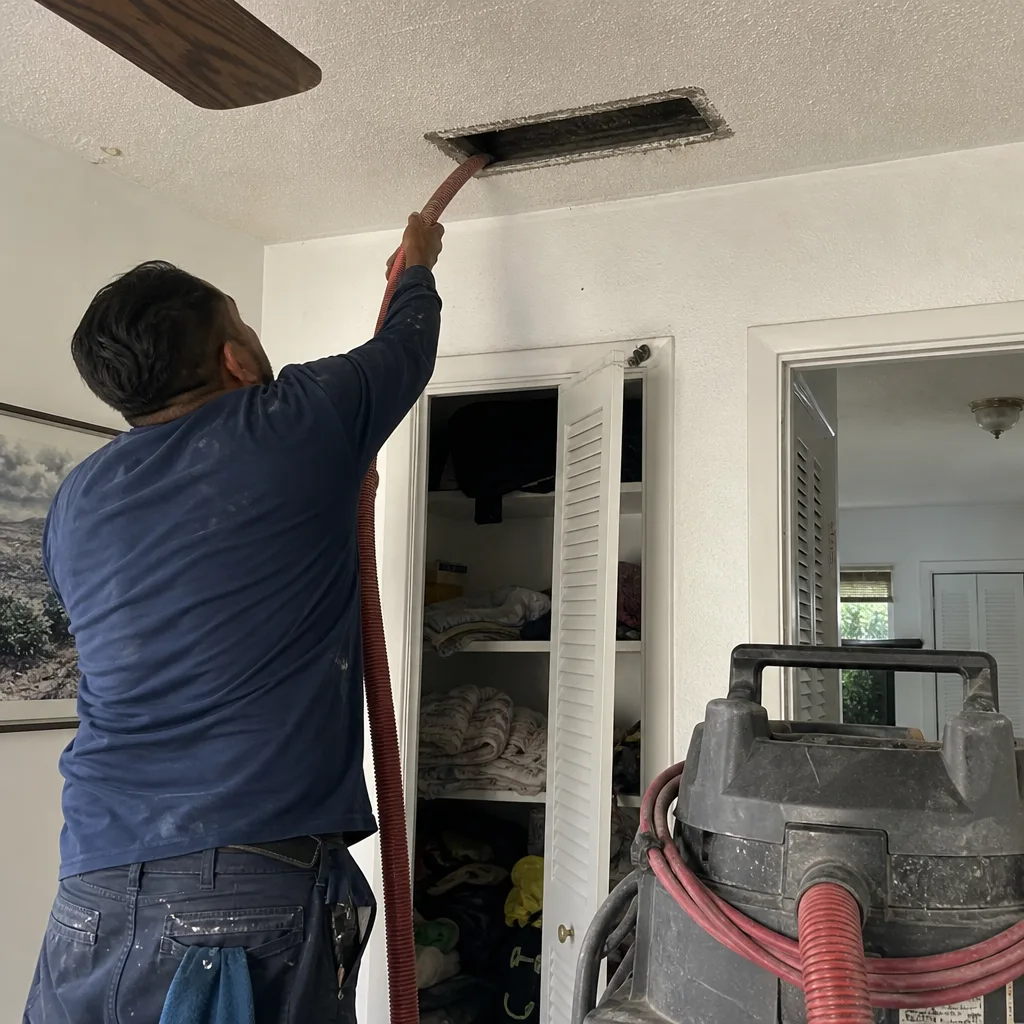 Before
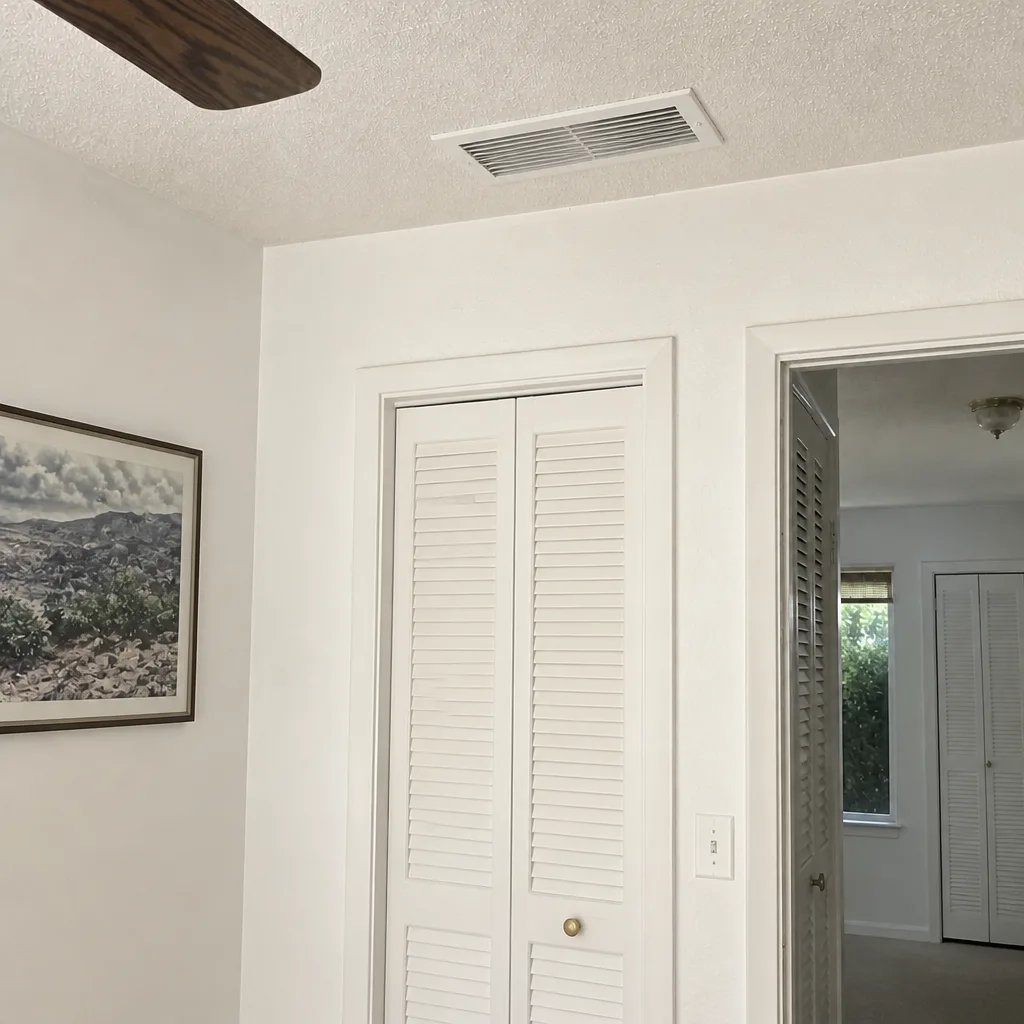 After
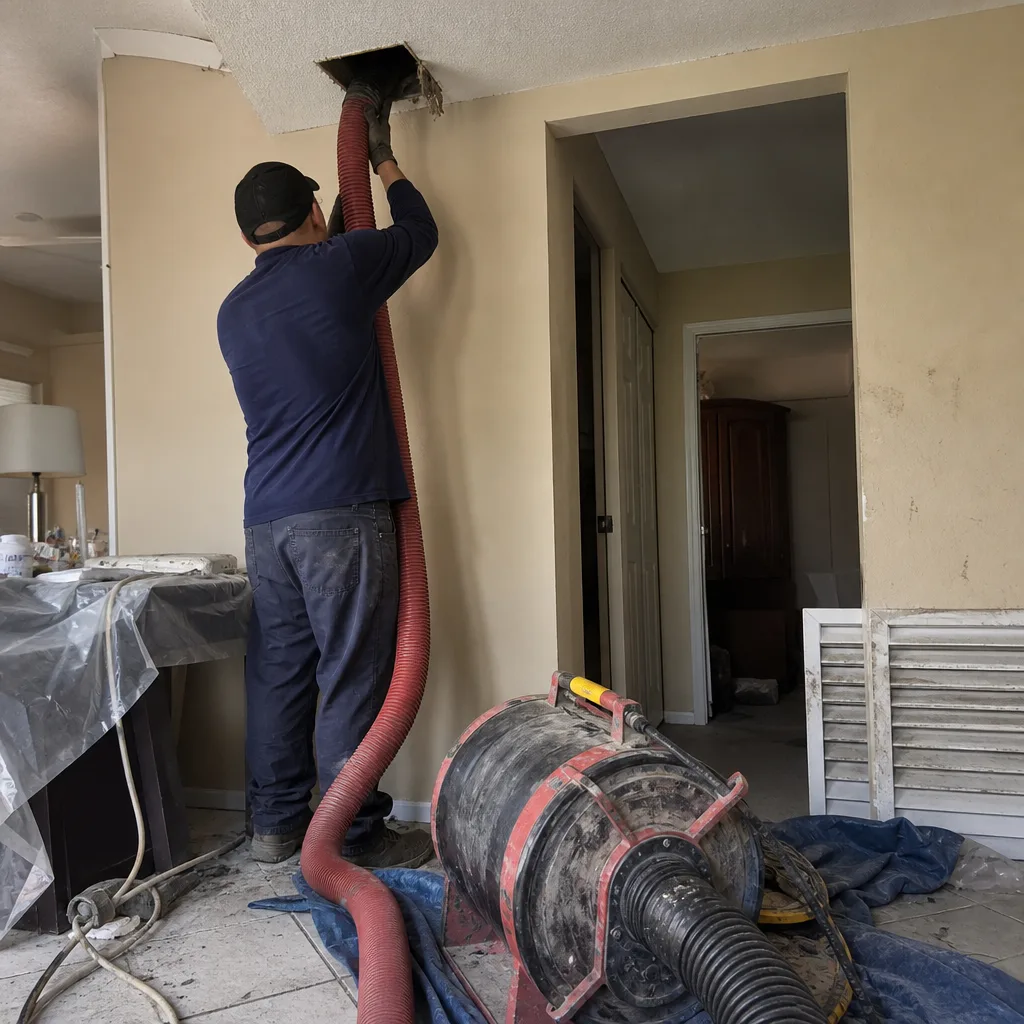 Before
 After
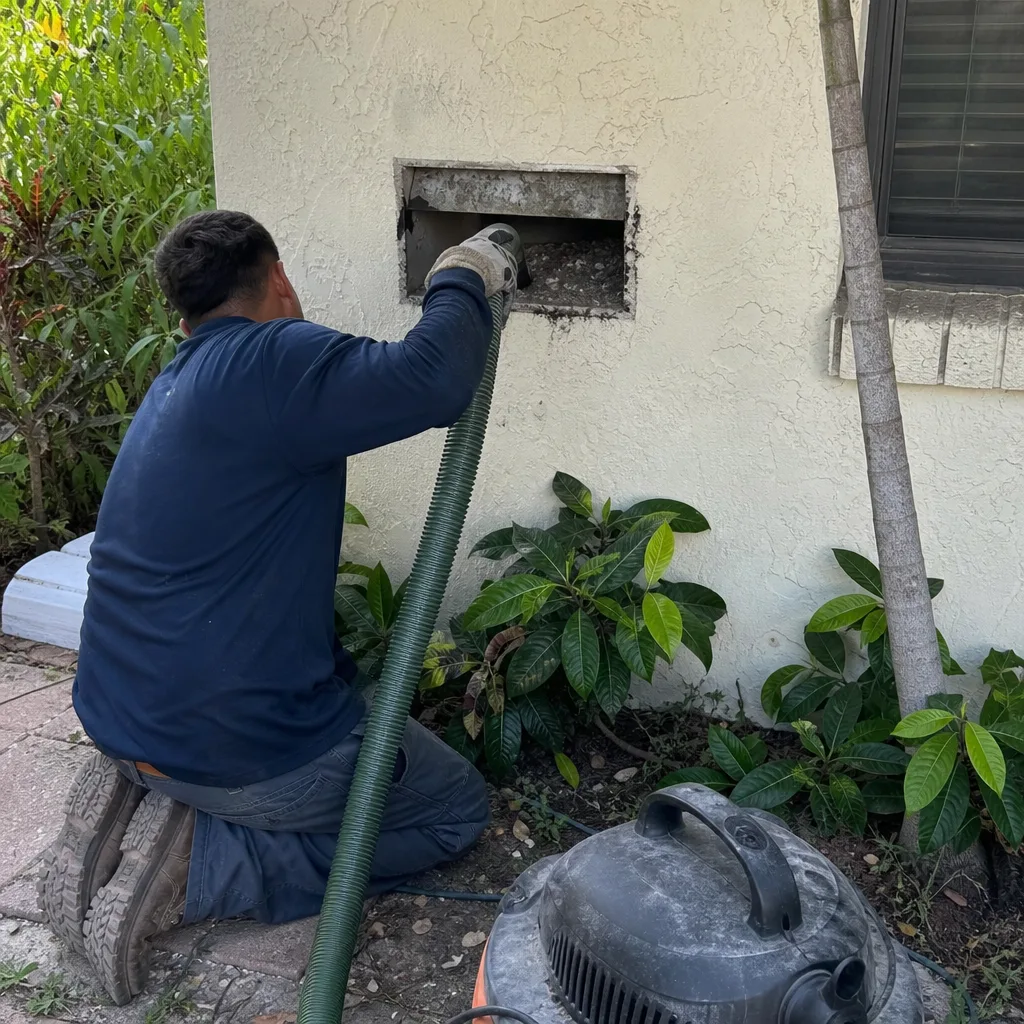 Before
 After
When to Call a Professional
Call a professional if the system hasn’t been cleaned in over three years, if any event trigger from the list above has happened since the last cleaning, or if you’re seeing any of the warning signs at the registers. Also call if your renovation just wrapped, if you’ve noticed rodents in the attic, or if a new home purchase left you unsure of the maintenance history. Hollywood Duct Cleaning offers free estimates in Hollywood. Call (866) 361-9843. We answer 24/7. Fast dispatch from 7am to 7pm, Sunday through Friday. Our technicians have up to 14 years of experience, and every job uses professional-grade equipment. One flat price per system agreed before work starts, and before-and-after photos of your own ducts so you can see what was actually removed.
Frequently Asked Questions
Most Florida homes should have ducts professionally cleaned every two to three years, and Hollywood’s subtropical climate pushes most homes toward the shorter end of that range because the AC runs almost year-round. Homes with pets, allergies, or recent renovation often need a two-year interval or shorter. Call (866) 361-9843 for an exact quote as it applies to your home; estimates are free.
Duct cleaning is genuinely necessary for homes with real contamination, but not every homeowner needs it on the same schedule. The industry has earned a bad reputation from companies that quote a low coupon price and inflate the invoice once the technician is on site. The right question isn’t whether duct cleaning is a scam; it’s whether the quote is fixed before work starts. We set one flat price per system and show you before-and-after photos of your own ducts.
Cheap quotes usually skip the equipment that makes the work effective. A shop vac through a register removes loose debris but doesn’t scrub adhered buildup from duct walls or hold the system under negative pressure while cleaning. Professional-grade work uses equipment like the Rotobrush contact-cleaning system for physical agitation and Nikro extraction for containment. Comparing quotes means comparing equipment lists, not just the number at the bottom.
Ask for before-and-after photos of your own ducts, not stock images. A technician using proper equipment has no reason to skip documentation. Structural inspection findings should be written out as well: a proper visit checks connections, flex duct integrity, and mastic seals, not just cleaning passages. If a company won’t document what they found and what they did, that’s a signal to keep looking.
Yes, schedule a professional cleaning after major renovation work wraps, regardless of when the last cleaning happened. Drywall dust, joint compound fines, sawdust, and fiberglass fibers all enter the return system during construction and settle into duct runs. Cleaning before the project finishes just means recontamination. Wait until the work is done, then reset the clock.
Rental properties need the same schedule as owner-occupied homes, with an inspection at every tenant turnover if possible. Property managers who wait for a tenant complaint about musty smell or weak airflow usually find the system is a year past due. Scheduling a cleaning every two to three years plus structural inspection keeps small issues from becoming tenant complaints. Call (866) 361-9843 to book an estimate.
The Bottom Line
The national three-to-five-year rule doesn’t hold up in Hollywood. Between year-round AC runtime, elevated humidity, and the attic-installed flex systems common to South Florida homes, most Hollywood households need professional cleaning every two to three years, and shorter intervals after renovation, pest activity, water intrusion, or a new pet. Quarterly filter changes, register wipe-downs, and dryer vent checks fill the gaps, and structural inspection runs alongside every professional cleaning so the system doesn’t just get cleaned but also repaired where it’s leaking. If your household is due or overdue, call (866) 361-9843 for a free estimate. We answer 24/7. Fast dispatch from 7am to 7pm, Sunday through Friday.
Written by the team at Hollywood Duct Cleaning.