
Last updated November 15, 2026
 Whole-home duct cleaning
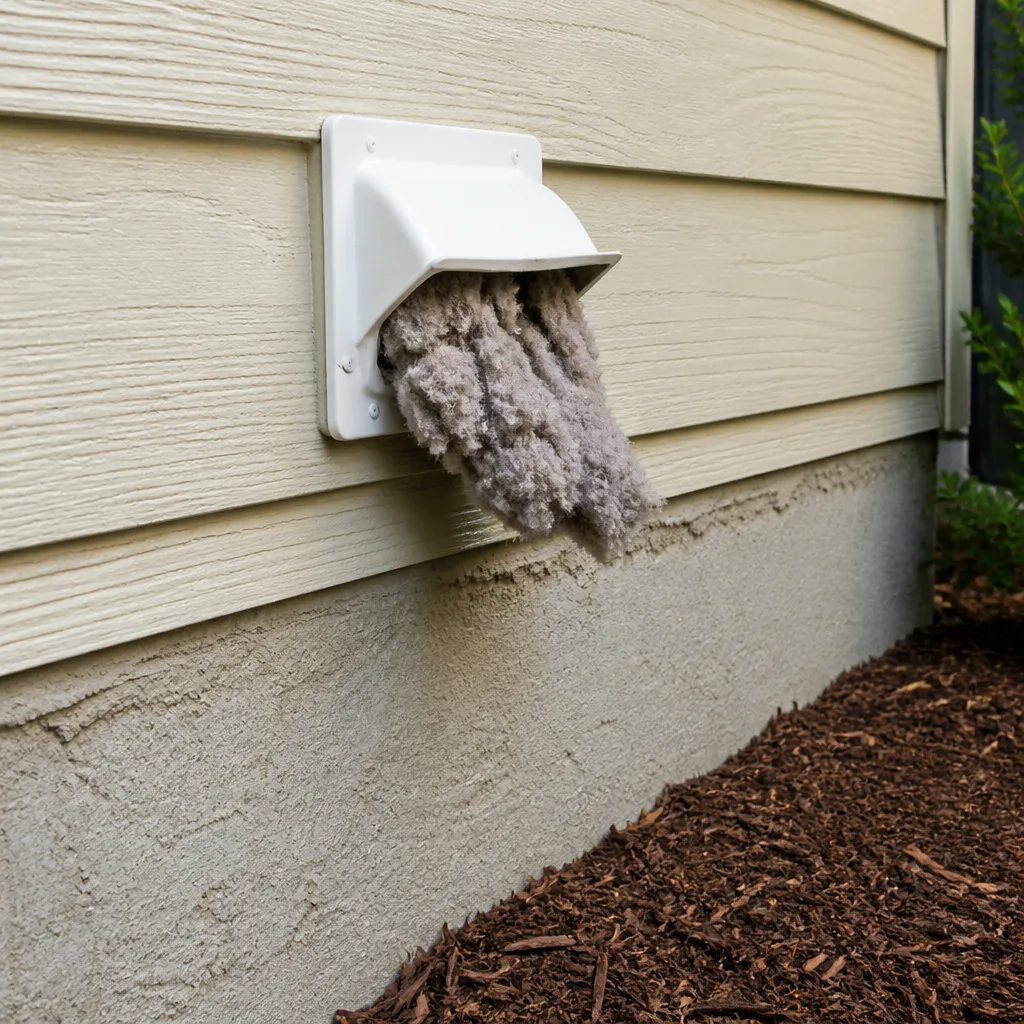 Dryer vent cleaning
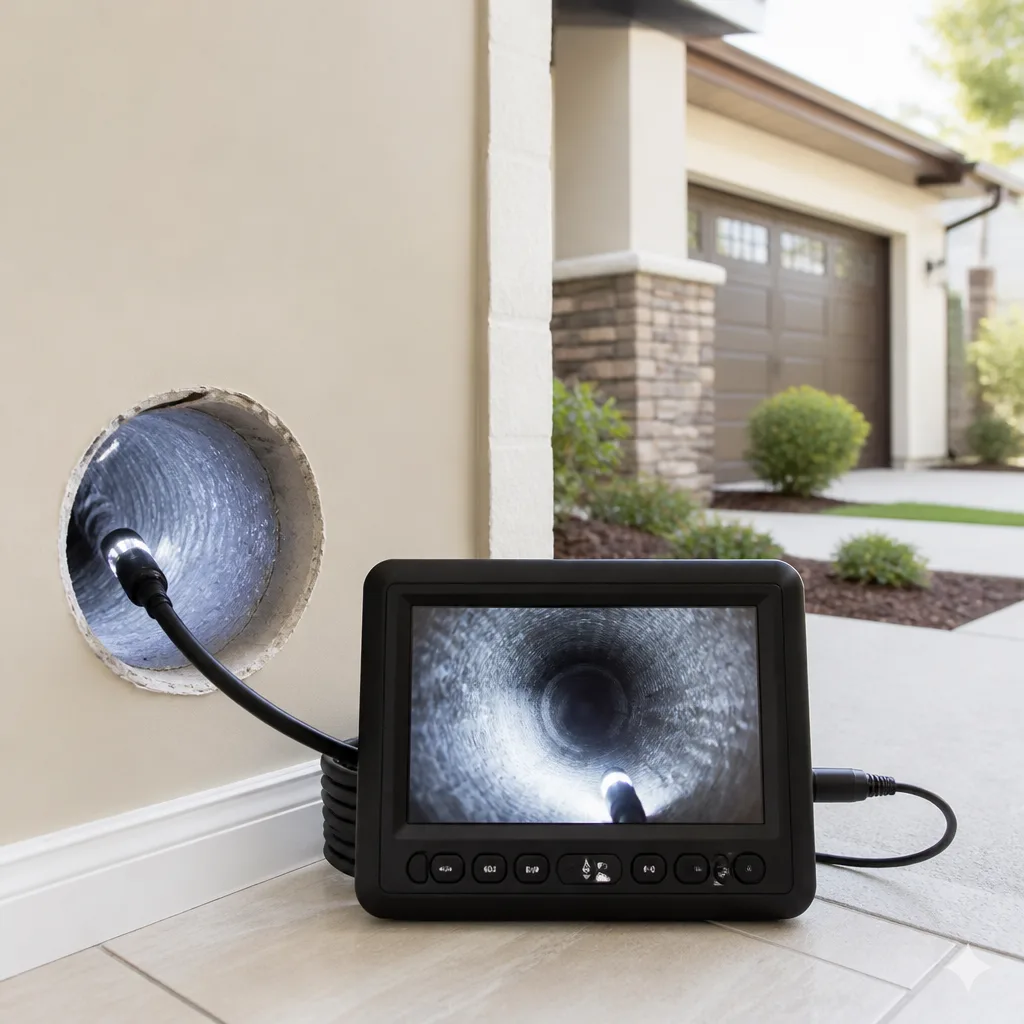 Camera inspection
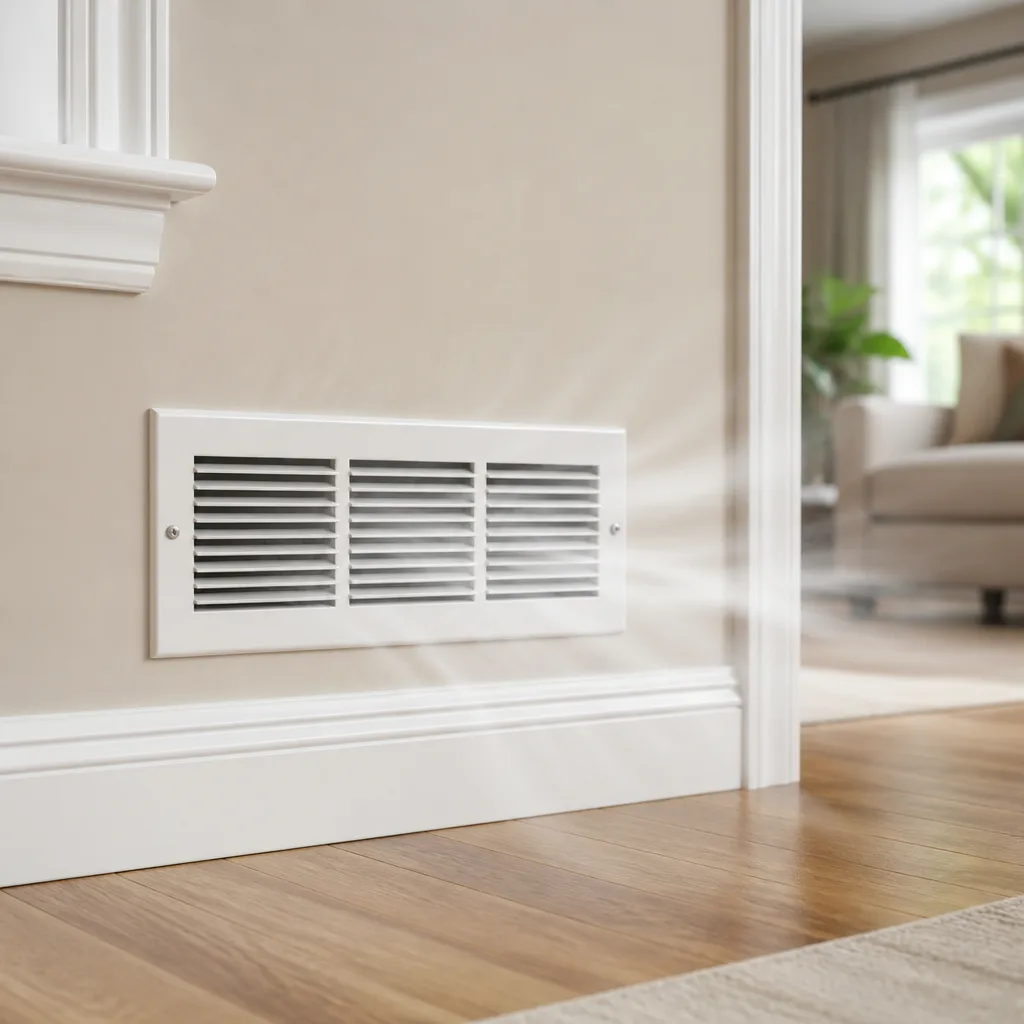 Sanitizing & deodorizing
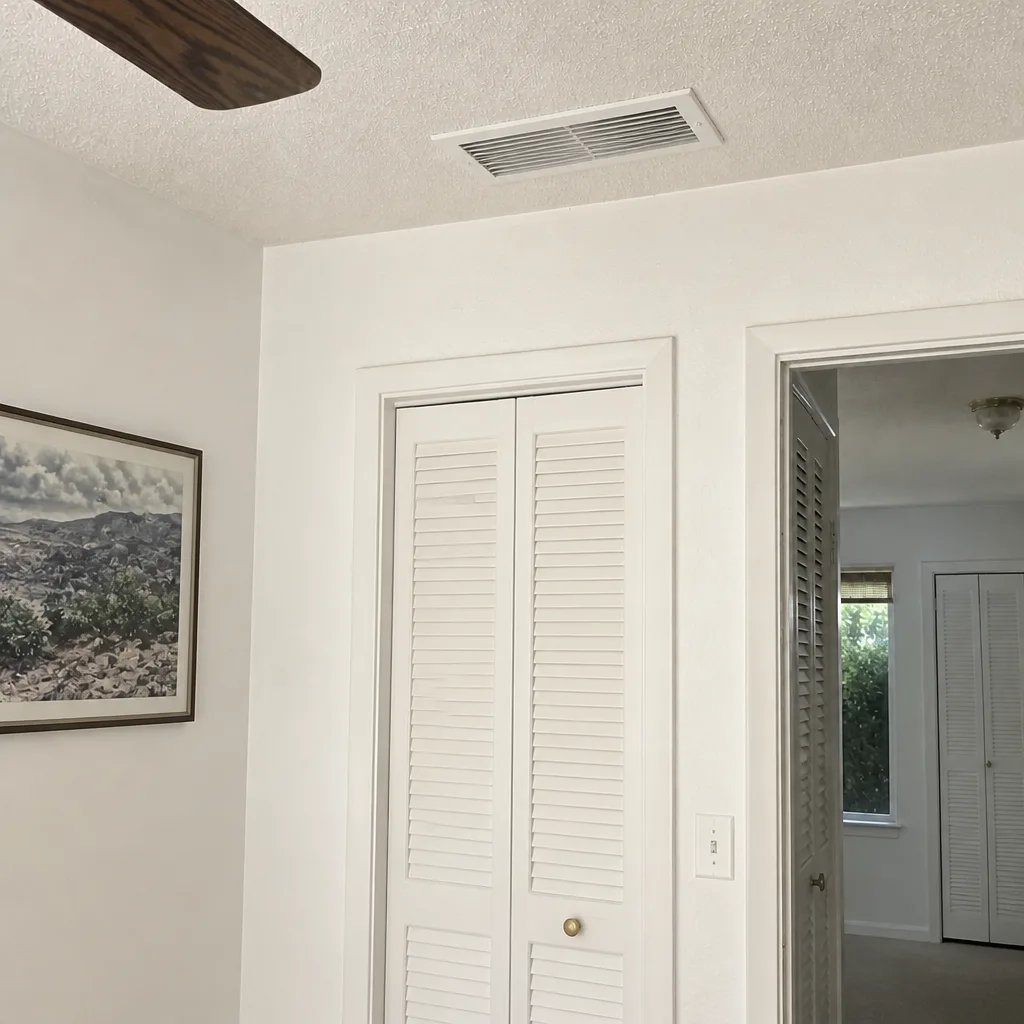
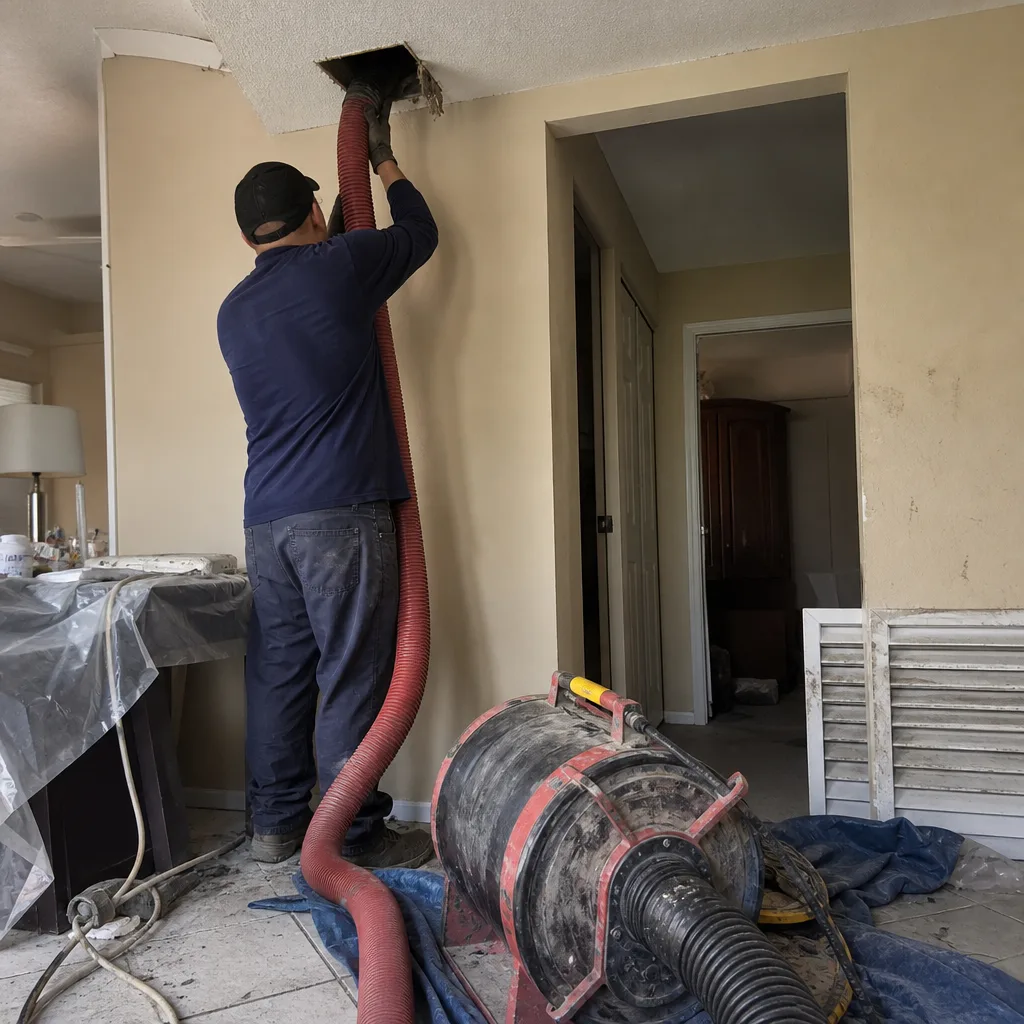
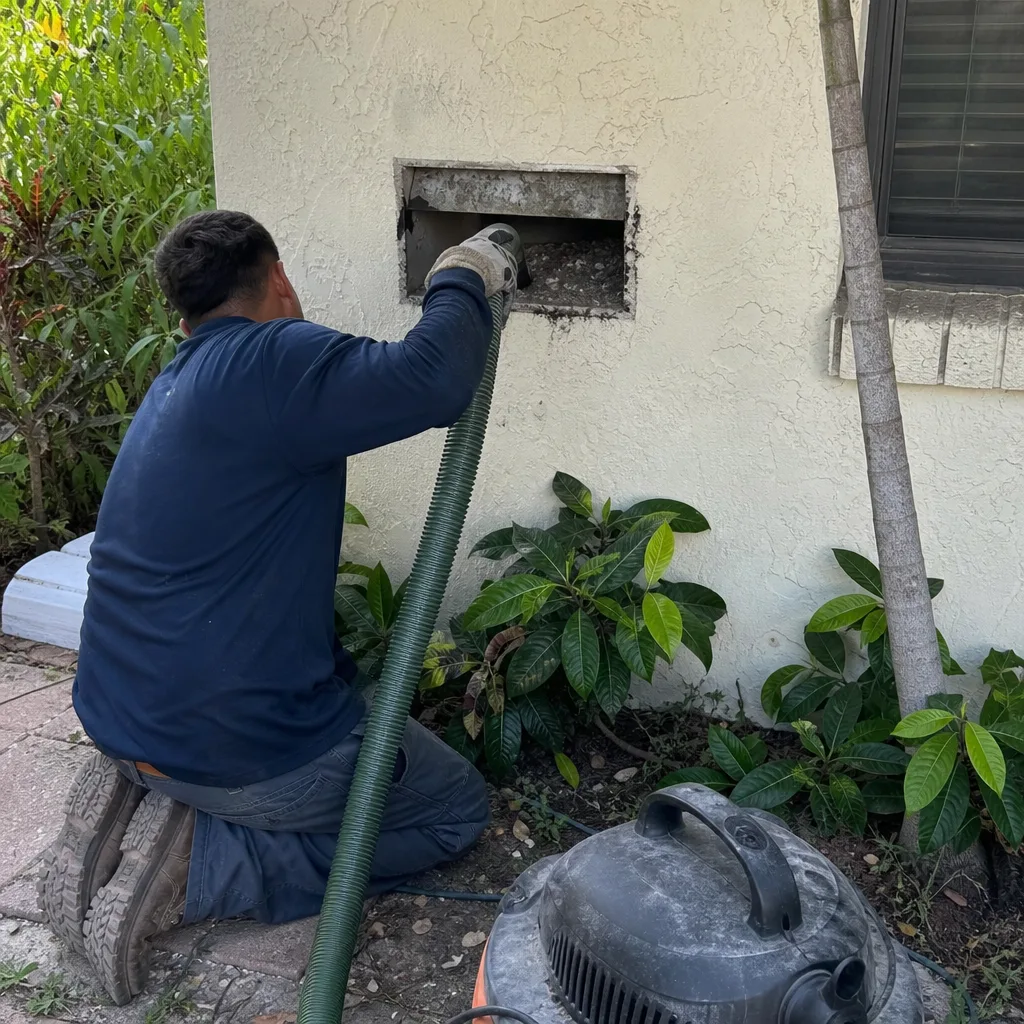
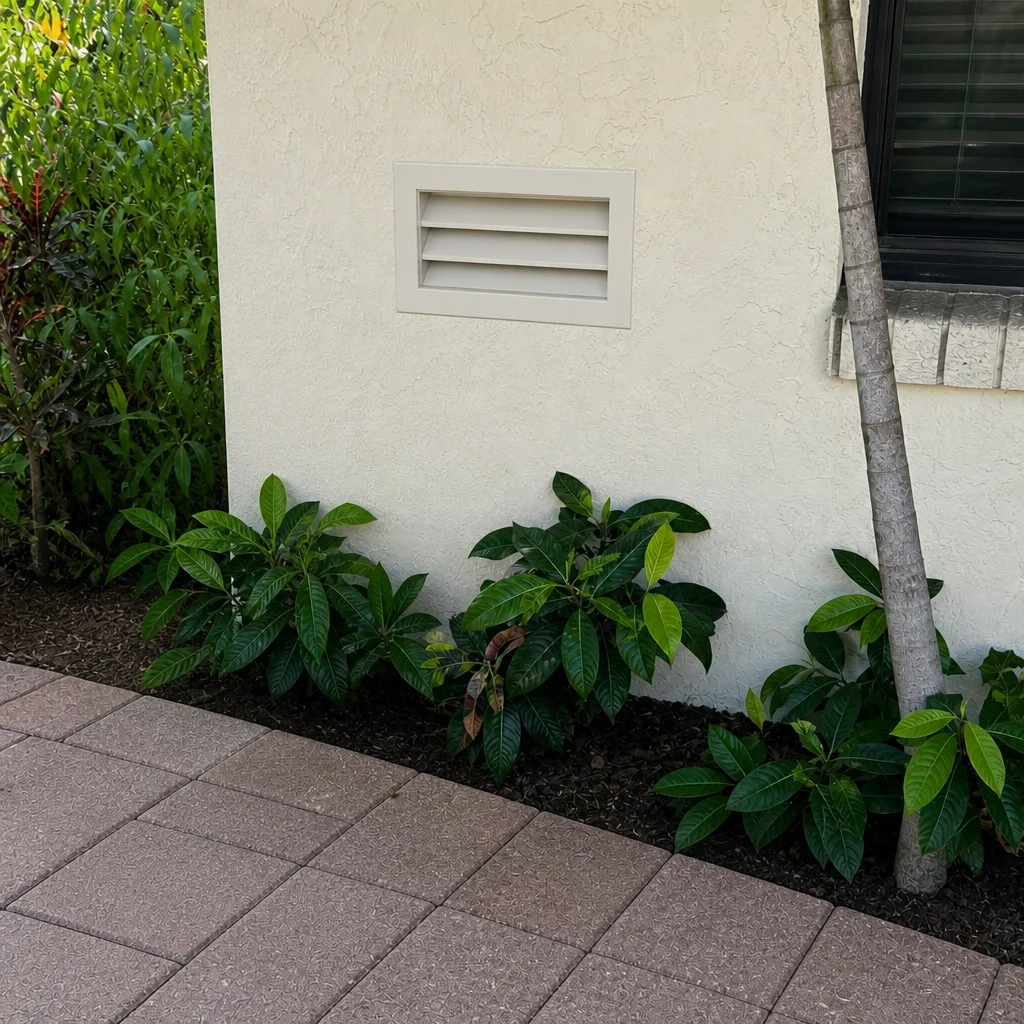
Whole-system duct and dryer vent check with before-and-after photos - you see exactly what came out of your vents
That "$99 whole-house special" is a bait ad - the real number appears once they are in your hallway, or the "clean" is a shop-vac at the register. We photograph the inside of your ducts before and after instead.
Choosing the Right Air Duct Cleaning Brand: A Buyer’s Guide for Hollywood
There is no Michelin Guide for air duct cleaning companies. There’s no rating board, no independent authority scoring one contractor against another on the quality of their craft. What does exist is a shortlist of professional equipment systems – Rotobrush, Nikro, Abatement Technologies – and the contractors who invested in them are built differently from the ones who bought a van and a vacuum. Most homeowners shopping for air duct cleaning in Hollywood compare company names, logos, and coupon prices. Those things tell you almost nothing. The hardware tells you almost everything. This guide breaks down what each major equipment system actually does, why a franchise name doesn’t guarantee quality, how to tell an owner-operator from a subcontracted crew, and what questions to ask before anyone steps into your home.
Styles & brands we work with
- Whole-home duct cleaning
- Dryer vent cleaning
- Camera inspection
- Sanitizing & deodorizing
Quick Answer
The right air duct cleaning company in Hollywood is the one built around contact cleaning and negative-pressure containment, not a vacuum wand pushed into a vent opening. Look for a contractor that runs Rotobrush or equivalent brush agitation, Nikro extraction equipment for containment, and Abatement Technologies air-quality gear for the work itself. Franchise logos mean less than the actual tool kit, and a company that also handles structural duct repair and dryer vent cleaning with professional equipment is a fundamentally different value proposition than three separate commodity providers.
Table of Contents
- What Are the Major Professional Duct Cleaning Equipment Systems?
- Rotobrush: What Contact Cleaning Actually Does
- Nikro: Why Negative-Pressure Containment Matters
- Abatement Technologies: Remediation-Grade Air Safety
- Why a Franchise Name Doesn’t Guarantee Equipment Quality
- Owned Equipment vs. Rented or Subcontracted Work
- How to Ask a Hollywood Contractor About Their Equipment
- Cleaning, Repair, and Dryer Vent: Why the Combination Matters
- Common Mistakes to Avoid
- When to Call a Professional
- Frequently Asked Questions
- The Bottom Line
What Are the Major Professional Duct Cleaning Equipment Systems?
Air duct cleaning equipment falls into three broad categories, and the contractors who take the work seriously typically run one system from each category on the same job. The categories are contact cleaning (physical agitation of debris from duct walls), extraction and containment (negative-pressure vacuum systems that pull dislodged material out of the system and keep it from recirculating into the living space), and air-quality control (HEPA filtration and containment equipment used during the work itself).
Here’s how the three main brand platforms map onto those categories:
- Rotobrush – contact cleaning. A rotating brush head driven through the duct runs physically scrubs the duct wall surfaces, breaking loose the debris film that vacuum-only methods leave behind.
- Nikro – extraction and negative-pressure containment. Industrial-grade vacuum equipment sized to hold the duct system under negative pressure while cleaning happens, so loosened material travels toward the vacuum rather than into your air supply.
- Abatement Technologies – air-quality control. Remediation-grade HEPA filtration and containment equipment, the same category of gear used in professional indoor air quality and abatement work.
No single piece of equipment does all three jobs. A contractor running only one category is doing partial work, whether they realize it or not. In our experience, the jobs that read as “cleaned” only because the visible vent openings looked tidy are the ones that had the first category run without the second and third. If you want a broader explanation of how a full cleaning is supposed to go, see our page on air duct cleaning.
Hollywood’s humid subtropical climate makes this more than an academic point. Warm, moisture-laden air moving through ductwork supports mold and dust-mite growth in ways dry-climate homeowners don’t deal with, which means physical agitation of the duct wall is more consequential here than in a place like Phoenix. A vacuum pass that doesn’t actually touch the wall doesn’t remove that film. Contact cleaning does.
Rotobrush: What Contact Cleaning Actually Does
Rotobrush is a contact cleaning system. The distinction is simple and it’s the entire ball game: contact cleaning physically touches the duct wall; vacuum cleaning does not. A rotating brush head is driven through the ductwork and its bristles scrub the inner surfaces, breaking loose the layer of dust, dander, pollen, and biofilm that has adhered to the metal or flex duct wall. A vacuum wand passed into the vent opening pulls in what’s airborne and what’s sitting loose – it doesn’t remove the film.
Here’s what a properly run Rotobrush contact cleaning job typically involves, step by step:
- Source inspection. The technician checks supply and return registers, the air handler, and accessible duct runs to identify problem areas – biological growth, pest evidence, torn flex duct, disconnected joints.
- Negative-pressure setup. A commercial vacuum is connected to the system before brushing begins, so loosened debris goes toward the vacuum rather than into the room.
- Brush agitation. The Rotobrush head is run through each duct branch, scrubbing the wall surfaces through the full length of the accessible run.
- Debris extraction. The loosened material is pulled from the system under continued negative pressure.
- Air-quality control. HEPA filtration manages air safety in the work area while the job is in progress.
- Verification. Before-and-after photos of the ducts give the homeowner a record of what was actually done.
The reason this matters for anyone searching for the best air duct cleaning company in Hollywood isn’t brand loyalty – it’s that contact cleaning is the benchmark method the rest of the industry is measured against. A contractor running a wand-only vacuum is doing a different, lesser job under the same service name. Rotobrush is also the system we use on every duct cleaning job, which is the simplest way we can answer the “what equipment do you use” question without hedging.
Nikro: Why Negative-Pressure Containment Matters
Nikro is professional extraction equipment built for negative-pressure containment. When a cleaning brush dislodges debris from a duct wall, that debris has to go somewhere. Without a properly sized vacuum holding the duct system under negative pressure, a portion of it recirculates into the rooms you live in. That’s the mechanical reason duct cleaning done poorly can briefly make indoor air worse before it gets better. Containment isn’t a nice-to-have; it’s the difference between removing the debris and redistributing it.
A working negative-pressure setup has three parts that need to function together:
- Airflow capacity. The vacuum has to move enough cubic feet per minute to overcome the resistance of the duct run and keep the whole system under continuous negative pressure during brushing. Undersized equipment loses containment the moment the brush hits a restriction.
- Sealed connections. The vacuum connection to the system has to be tight. Gaps at the connection point bleed pressure and defeat the purpose.
- Continuous operation. The vacuum runs during the entire cleaning, not after debris has already been disturbed. Stopping and starting breaks containment.
This is the part of a job most homeowners can’t see and most contractors don’t explain. That’s fine – it’s the technicians’ job to know it, not the homeowner’s – but it’s worth knowing what to listen for if you’re choosing between bids. A contractor who can articulate how they hold negative pressure has thought about it. A contractor who says “we use a big vacuum” without any detail on containment is telling you they haven’t. If you’d like to understand how negative pressure fits into the rest of the cleaning process, our Hollywood Duct Cleaning home page covers the full scope.
Abatement Technologies: Remediation-Grade Air Safety
Abatement Technologies equipment brings a remediation-grade standard to duct cleaning – the same class of air-quality and containment gear used in professional indoor air quality work. The point of it isn’t marketing language. It’s that duct cleaning generates airborne particulate during the work itself, and HEPA filtration and containment equipment is what keeps that particulate from moving into occupied spaces of the home.
What remediation-grade air safety actually covers during a cleaning job:
- HEPA filtration. Filters rated to capture fine particulate, positioned to manage air in the work zone during brushing and extraction.
- Containment. Physical barriers or negative-pressure enclosures where the work demands it, particularly when opening the air handler or a compromised duct run.
- Worker and occupant protection. Filters and containment working together mean the people doing the job and the people living in the home are separated from airborne debris.
Not every duct cleaning job requires the same level of containment. A straightforward cleaning of well-sealed ductwork is one thing; working around biological growth on the air handler coils or opening a collapsed duct run for repair is another. A contractor with remediation-grade equipment can scale the job to the condition. A contractor with a shop vac can’t. Our technicians have up to 14 years of experience, and what that experience teaches, more than anything, is that dust and moisture move in ways you can’t see. Equipment that manages the air is what keeps the work from drifting into the wrong rooms. For information about the local area, our Hollywood page covers the community.
Why a Franchise Name Doesn’t Guarantee Equipment Quality
National duct cleaning chains and franchises build their business model around brand recognition, not hardware standardization. The logo on the truck doesn’t tell you what’s inside it. A franchise operator may run a single franchisee with a fully equipped Rotobrush, Nikro, and Abatement setup, or the same brand name may sit on a fleet of vans that get pushed through a busy seasonal schedule with a fraction of the equipment. The brand isn’t the system. The equipment is.
Here’s the pattern to watch for when a national name shows up in your search results:
- The pricing comes first, the equipment doesn’t. Ad copy leads with a low number and never mentions method. That low price is almost always a promotional offer that grows once the technician is in the house.
- Subcontracted crews. Some franchise chains route jobs to local crews who may or may not own the equipment their brand advertises.
- Thin service menus. A chain built around one service – cleaning only – has no path forward if your ducts need structural repair, or if the dryer vent needs cleaning.
- Scripted answers. When you ask what equipment they run, a scripted answer comes back with platitudes rather than brand names.
This isn’t a knock on franchises as a business category. It’s a warning that logos aren’t a proxy for craft. Airbnb hosts, property managers, and homeowners in Hollywood dealing with a post-flood or post-renovation cleanup are all better served by evaluating equipment and scope than by choosing the biggest logo in the search results. Ask what brand of brush system they run. Ask how they hold negative pressure. Ask whether they own the equipment or borrow it. You’ll learn more in three questions than in an hour of reading review sites.
Owned Equipment vs. Rented or Subcontracted Work
A contractor who owns their equipment has a different relationship to the work than one who rents or subcontracts. Owned equipment means the operator has committed capital to the craft, trains on their specific machines, maintains them, and is on the hook for how they perform. Rented or borrowed equipment means the operator is renting a capability they don’t have, sometimes for the first time on your job. Ownership isn’t just a business detail – it’s an accountability structure.
The practical differences show up in a few places:
- Consistency. Owned equipment gets serviced, tuned, and rebuilt according to a maintenance schedule the operator controls. Rented equipment is whatever the equipment rental place had available that morning.
- Chains of accountability. If a subcontractor damages a duct or leaves a mess behind, the contractor who subcontracted them has to chase it. If the equipment is owned and the technician is directly accountable, you’re talking to the party who did the work.
- Scope capability. Owning Rotobrush and Nikro means a contractor can promise contact cleaning and containment on every job. Renting them means some jobs run with them and some don’t, based on availability.
- Repair capability. Structural duct repair requires different tools than cleaning. A contractor built around cleaning with subcontracted repair sends a different crew to diagnose the problem, which means two parties looking at the same system without shared context.
The reason this matters for choosing a Hollywood air duct cleaning provider is that the biggest failure mode our industry has is a name that doesn’t match the tool bag. Ask directly: “do you own your Rotobrush and Nikro equipment?” It’s a fair question, and a straight answer tells you what the rest of the job will look like. A vague answer tells you the same thing.
How to Ask a Hollywood Contractor About Their Equipment
The question a homeowner should ask isn’t “are you the best air duct cleaning company in Hollywood?” Every contractor will answer yes to that. The question is specific enough that only a contractor who owns the equipment can answer it well: “what brand of contact cleaning system do you run, and how do you handle negative-pressure containment?” The answer is a short list of brand names or a verbal shrug. Both are information.
Here’s the script we recommend, in order. Each question builds on the last, and a contractor who knows their equipment will answer all of them without hesitation:
- “What contact cleaning system do you use?” A real answer names a system – Rotobrush or an equivalent brush-agitation platform. “We vacuum the vents” means there’s no contact cleaning.
- “How do you contain the debris while you work?” A real answer describes negative-pressure vacuum equipment – Nikro or comparable – and explains that the vacuum runs throughout the job.
- “What air-quality filtration do you use during the cleaning?” A real answer describes HEPA filtration and containment, often with the Abatement Technologies platform. A contractor who doesn’t know what you’re asking is not managing the air.
- “Do you own this equipment or rent it?” Owned equipment is the accountable answer.
- “Can you handle structural duct repair if my inspection shows damage?” Repair is a different capability, and cleaning alone doesn’t fix a crushed or disconnected duct run.
- “Do you have a written flat price, and is it agreed before work starts?” The price should be for the whole system, not per vent, and it should be in writing before anyone opens a supply register.
In our experience, a contractor built around professional equipment answers every one of those in under two minutes. A contractor built around marketing tends to stall somewhere around question two, and the stall is the answer. For a broader look at what a full job involves, our page on Hollywood air duct cleaning explains the process in detail.
Cleaning, Repair, and Dryer Vent: Why the Combination Matters
A contractor who cleans ducts, repairs compromised ductwork, and cleans dryer vents with professional equipment for each represents a fundamentally different value proposition than three single-service providers. The system isn’t just the duct run – it’s the air handler, the supply and return branches, the connections, and the clothes dryer vent. When the same company looks at all of it, the diagnosis connects. When three separate providers handle three separate components, each one is looking at a fragment.
The three integrated services, and why each matters:
- Air duct cleaning with contact cleaning and containment. The baseline. Without Rotobrush agitation and Nikro negative pressure, cleaning is cosmetic.
- Air duct repair as a standalone service. Cleaning doesn’t fix a crushed run, a disconnected joint, or a torn flex duct. If the inspection finds structural damage, the repair is what makes the cleaning meaningful – otherwise the system keeps losing air and pulling new contaminants into the ductwork.
- Dryer vent cleaning as a safety service. Dryer vents accumulate lint at the termination point and along the run, and a blocked dryer vent is a documented fire safety issue, not a minor upsell. Homeowners who schedule air duct cleaning often skip this because it feels like a separate category. It isn’t – it’s part of the same ventilation system the dryer relies on.
Our dryer vent cleaning page explains the fire risk and how the cleaning works. If you’re in south Florida – which tends to run HVAC year-round, unlike most of the country – the whole system stays loaded with moisture and particulate most of the year. Integrating the three services under one contractor’s diagnosis is the way to keep it performing. That’s the complete indoor air solution logic, and it’s why we built the company around all three services rather than one.
Common Mistakes to Avoid
- Choosing the company based on the lowest coupon price. A promotional price that grows once the technician is on site is the most common bait-and-switch in the industry. Ask for a written flat price per system before you book, and treat any number given over the phone without a site inspection as marketing.
- Assuming a national franchise name guarantees equipment quality. The brand on the van tells you almost nothing about the equipment in the back. Ask what contact cleaning system they own and whether it’s brought to every job.
- Hiring a vacuum-only crew and calling it cleaning. A vacuum wand that doesn’t agitate the duct wall surface leaves the biological film in place. This matters more in south Florida’s humid climate than in a dry one, because the moisture in the air actively supports growth on the film.
- Skipping the inspection before the cleaning. A contractor who shows up and starts brushing without checking the system for structural damage is doing the wrong sequence. Debris from a compromised duct run finds its way into the wrong part of the HVAC system.
- Ignoring the dryer vent on the same visit. The dryer vent shares the ventilation system logic with the rest of the house and is a documented fire safety risk. Cleaning ducts without addressing the dryer vent leaves the highest-risk element untouched.
- Believing “per-vent pricing” is the whole cost. Per-vent pricing is a marketing structure, not an equipment-based one. It rewards a contractor for the number of openings they can count and penalizes them for opening fewer if that’s what the system actually needs. Whole-system, flat-priced work is the standard to hold.
- Not asking about negative-pressure containment. A cleaning job that doesn’t hold the ducts under negative pressure distributes loosened debris into the home. It’s a respiratory burden disguised as a service. Ask how the containment is run before the technician arrives.
When to Call a Professional
There are specific situations where booking a professional air duct cleaning in Hollywood is the right call rather than a wait-and-see: you’ve recently purchased a home and don’t know the history of the ductwork, an HVAC inspection or home inspection has flagged the system, you’ve had a renovation that produced visible dust in the supply registers, a household member has new or worsening allergy symptoms that seem tied to the HVAC, the dryer is taking longer than it used to dry a load (a common sign of a blocked dryer vent), or the visible registers show evidence of moisture or biological growth. Any one of those is enough to book an inspection. In each case, the wrong move is a coupon-shopping decision. The right move is to ask for a written flat price per system, ask what equipment is used, and get before-and-after photos of what’s actually inside your ducts. Hollywood Duct Cleaning offers free estimates in Hollywood. Call (866) 361-9843. We answer 24/7. Fast dispatch from 7am to 7pm, Sunday through Friday.
Frequently Asked Questions
The best air duct cleaning company in Hollywood is the one running Rotobrush contact cleaning, Nikro negative-pressure extraction, and Abatement Technologies air-quality equipment on the same job, with a written flat price per system agreed before work starts. Brand reputation is secondary to that equipment shortlist. Ask any contractor what system they use for contact cleaning, how they hold containment, and whether they own the equipment. The answers to those three questions tell you more than review counts ever will. Call (866) 361-9843 for an exact estimate.
Air duct cleaning in Hollywood is priced per system by written estimate, not by coupon or per-vent count, and the exact number depends on the size and condition of the ductwork after a site inspection. The written estimate is the price – nothing gets added after the fact. A promotional coupon price that grows once the technician is on site is a bait-and-switch structure, and the honest way to compare bids is to ask every contractor for a flat written price per system. Call (866) 361-9843 for an exact quote – estimates are free.
Cheap quotes are usually cheap for a specific reason: the equipment behind them is smaller, rented, or absent. A vacuum wand pushed into vent openings costs the contractor far less to run than a Rotobrush contact cleaning system with Nikro containment and Abatement air-quality equipment. The low quote is for the lesser job, even if the service name is identical. When you’re comparing bids, ask what equipment is used and whether it’s owned, and the price gap usually makes sense. Call for a written flat price to compare against those cheap quotes.
Before-and-after photos of your own ducts are the clearest verification of what was done inside the system. Ask for them before the job starts, and expect the after-photos to show the same accessible runs in visibly cleaner condition. A contractor who runs contact cleaning and containment can provide that documentation because the work is visible on the duct wall surfaces. A vacuum-only job is harder to verify because there’s less to photograph. Ask for photos and a written summary of what was found and cleaned. Call (866) 361-9843 for an estimate and to ask how the documentation is delivered.
Air duct cleaning is typically recommended every few years for a typical household, but the honest answer depends more on conditions than on a calendar. Homes with pets, recent renovations, water damage history, or visible moisture in the ductwork need attention sooner than the calendar interval suggests. South Florida’s humid climate is also a factor because moisture in the air supports growth on the dust film inside duct walls. A system inspection is the right way to know, not a schedule. Call (866) 361-9843 to book one – estimates are free.
Yes, if the contractor is built around all three services and owns the professional equipment for each. Air Duct Cleaning, Dryer Vent Cleaning, and Air Duct Repair each require different tooling and different diagnostic skills, and a contractor who runs only one is going to refer out the other two. Working with a single company keeps the diagnosis consistent across the system – the duct cleaning finds the compromised run, the repair fixes it, the dryer vent cleaning closes the other fire-safety gap in the same ventilation system. Call (866) 361-9843 and ask what each of the three services involves on your home.
The Bottom Line
Brand in air duct cleaning means the equipment platform a contractor is built around, not the logo on the truck. Rotobrush contact cleaning, Nikro negative-pressure containment, and Abatement Technologies air-quality equipment are the tools that separate a real cleaning from a vacuum pass, and the contractors who own them are more accountable, more consistent, and generally do better work. Look past the franchise name. Ask about the tool kit. Insist on a written flat price per system, before-and-after photos, and a contractor who handles structural duct repair and dryer vent cleaning with professional equipment. If you want a straight answer about what your Hollywood home’s ducts actually need, call us at (866) 361-9843. We answer 24/7. Fast dispatch from 7am to 7pm, Sunday through Friday.
Written by the team at Hollywood Duct Cleaning.
See the difference
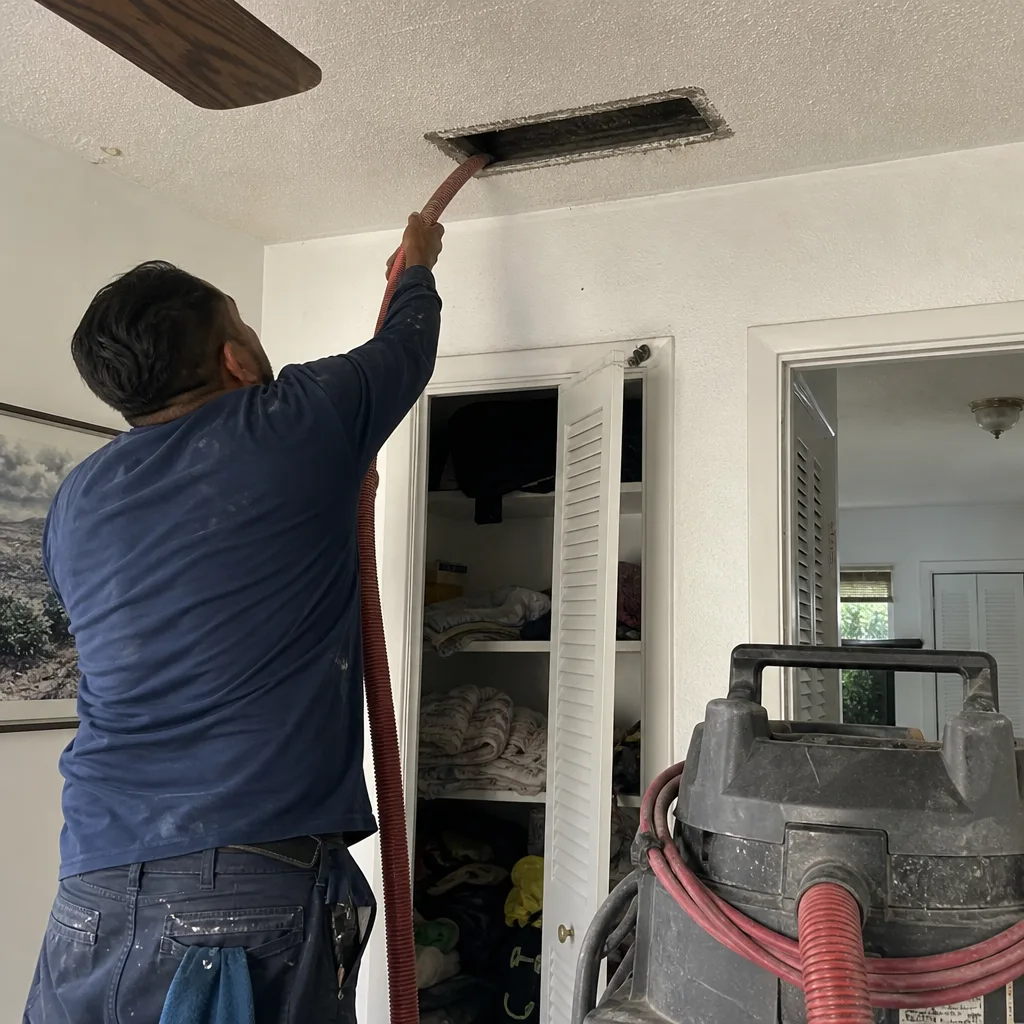 Before
 After
 Before
 After
 Before
 After