
Last updated November 15, 2026
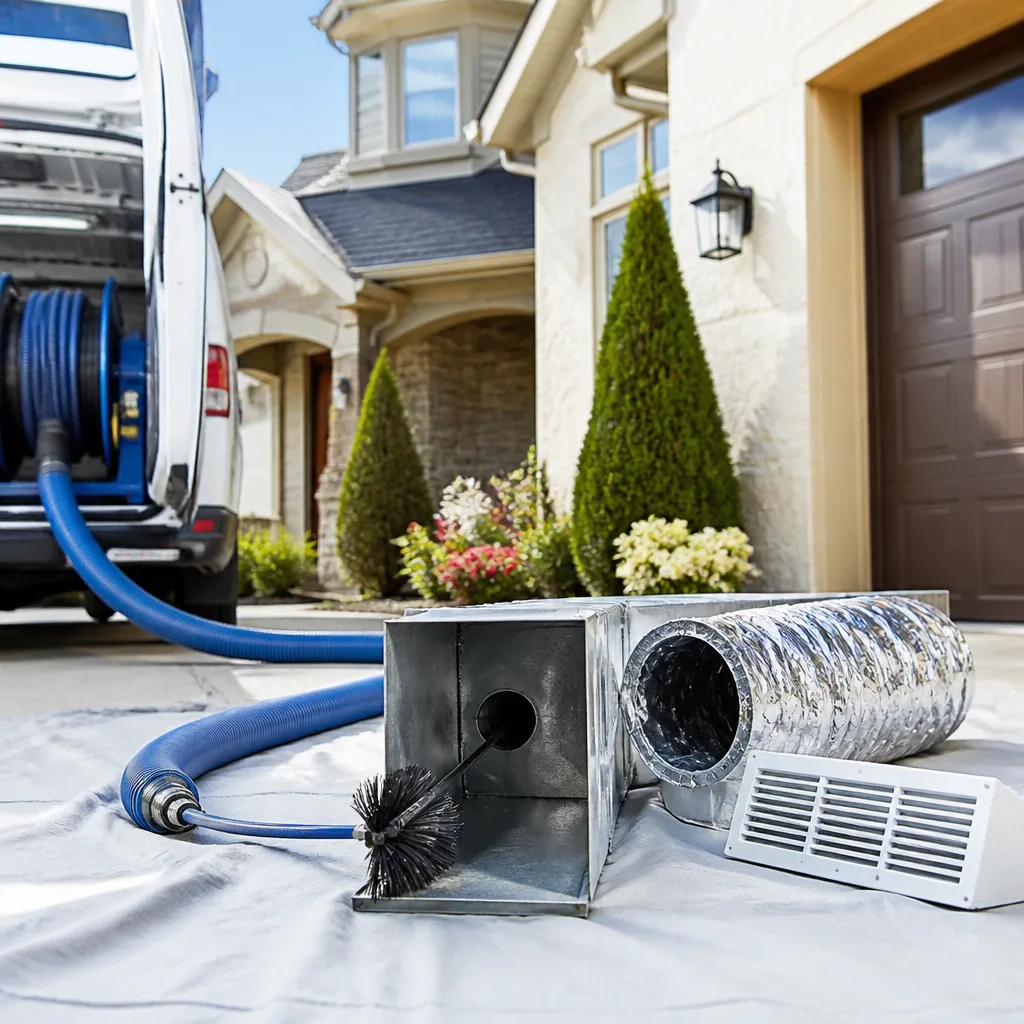 Whole-home duct cleaning
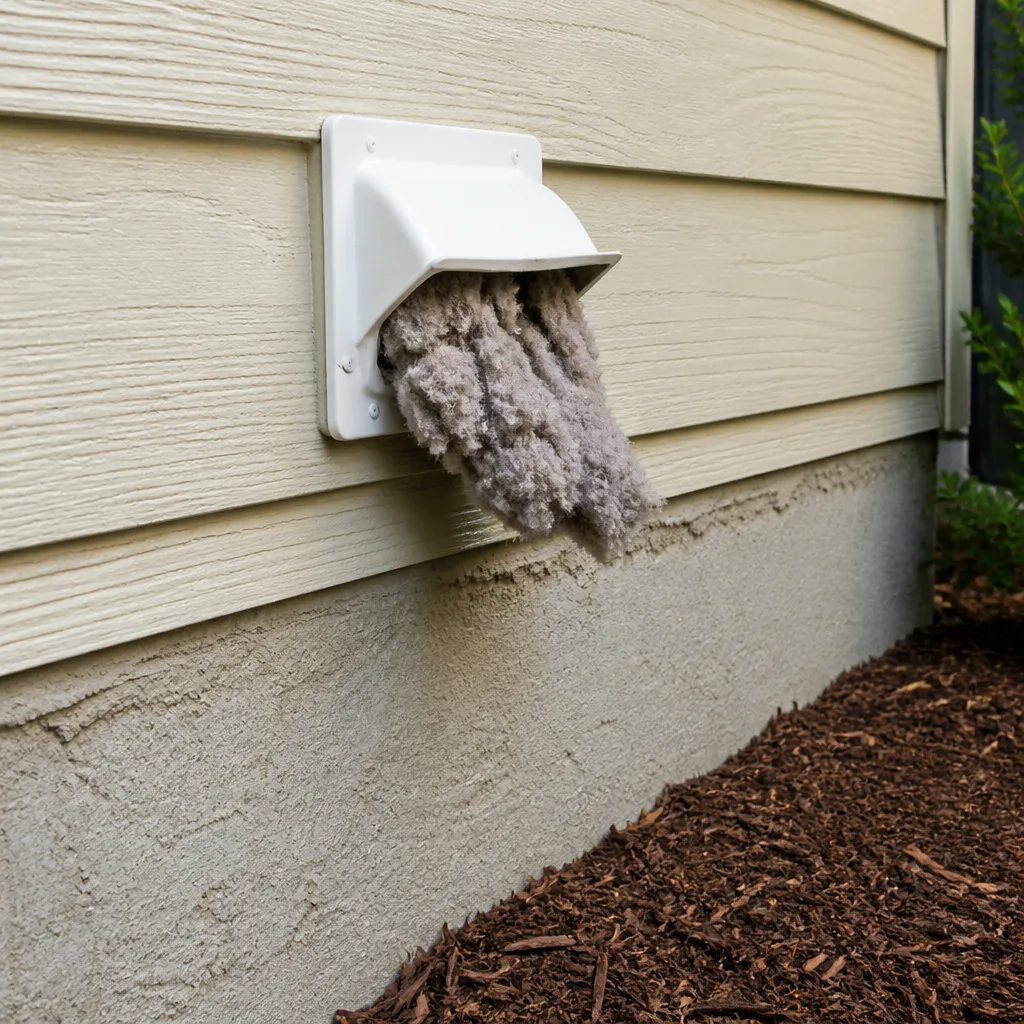 Dryer vent cleaning
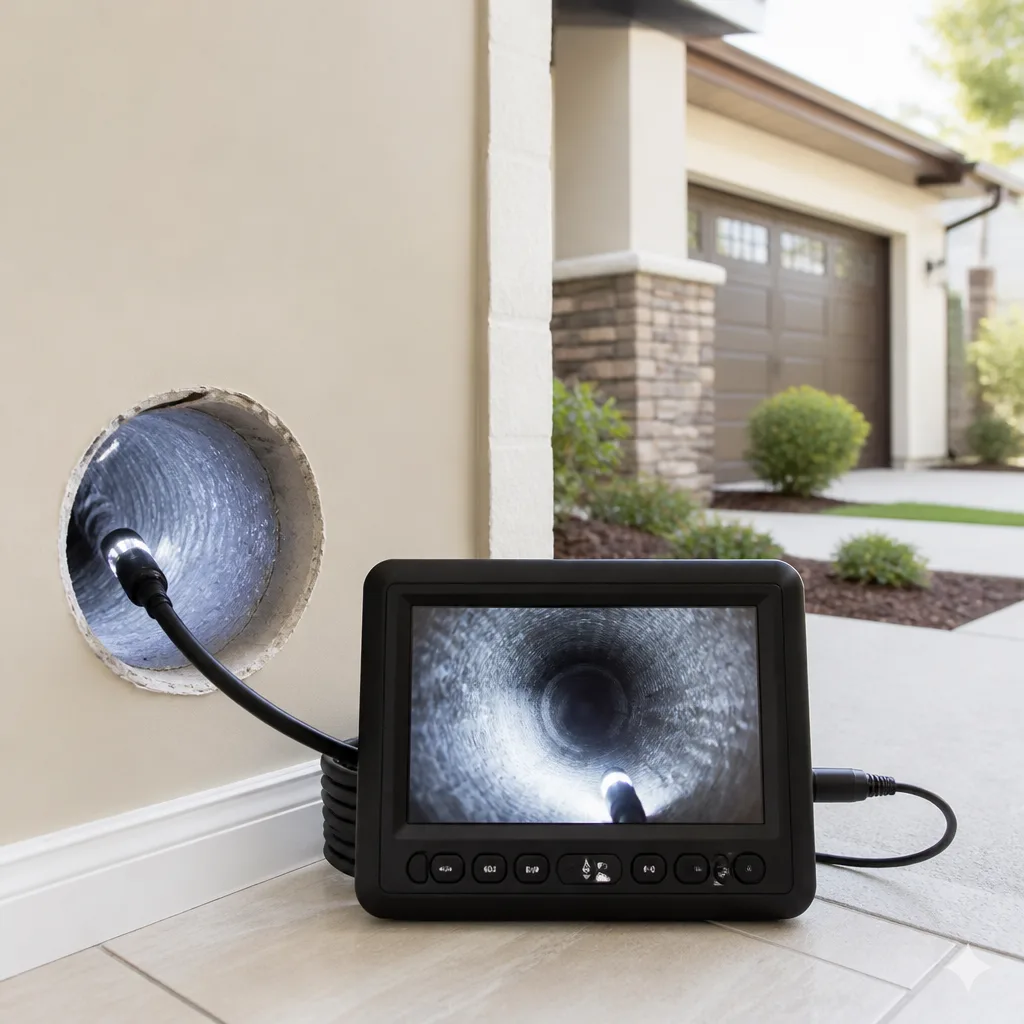 Camera inspection
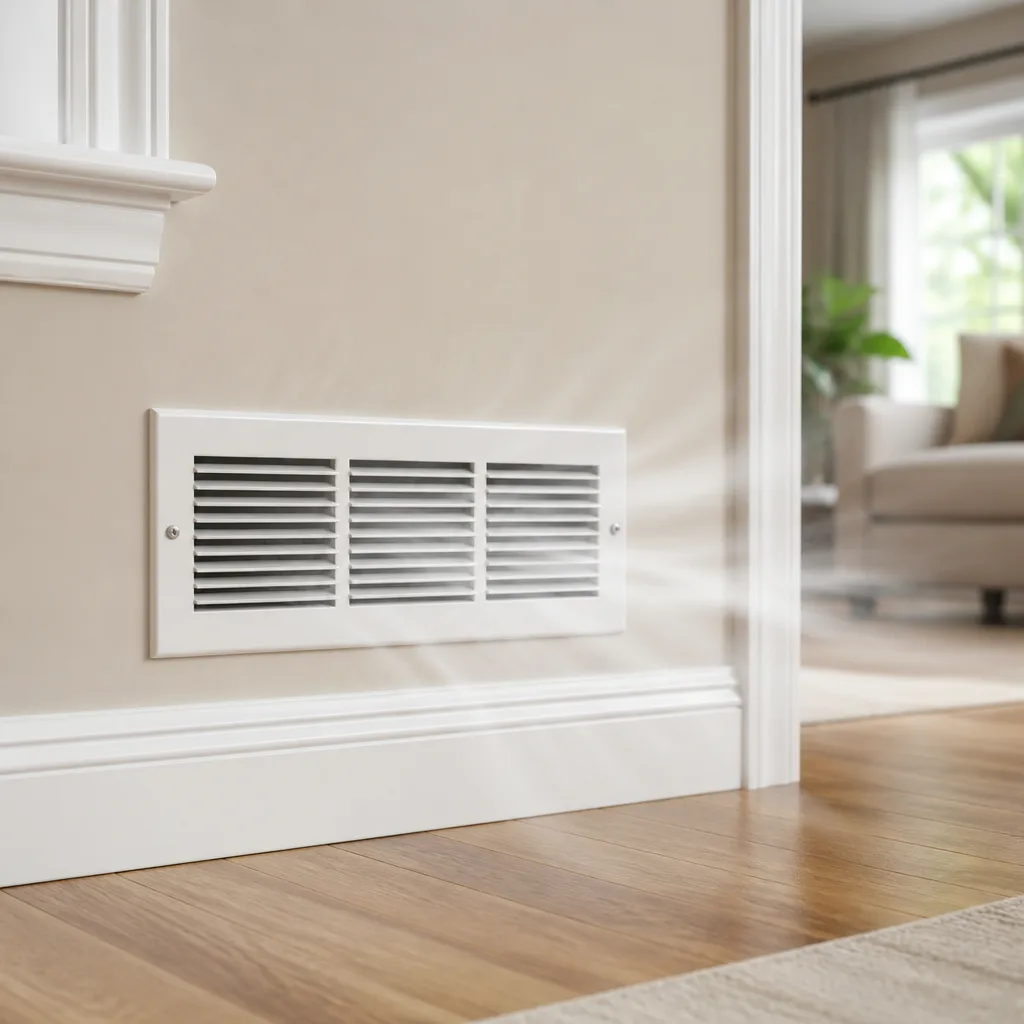 Sanitizing & deodorizing
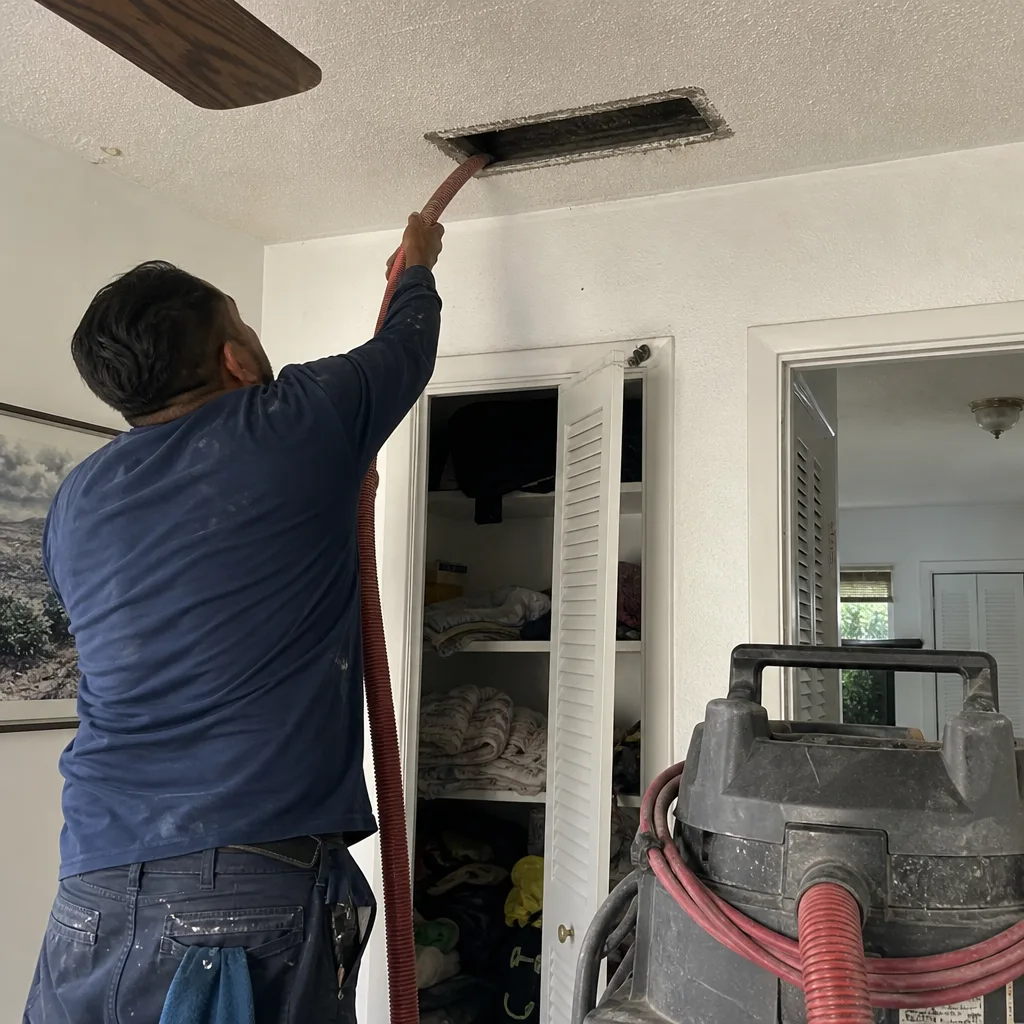
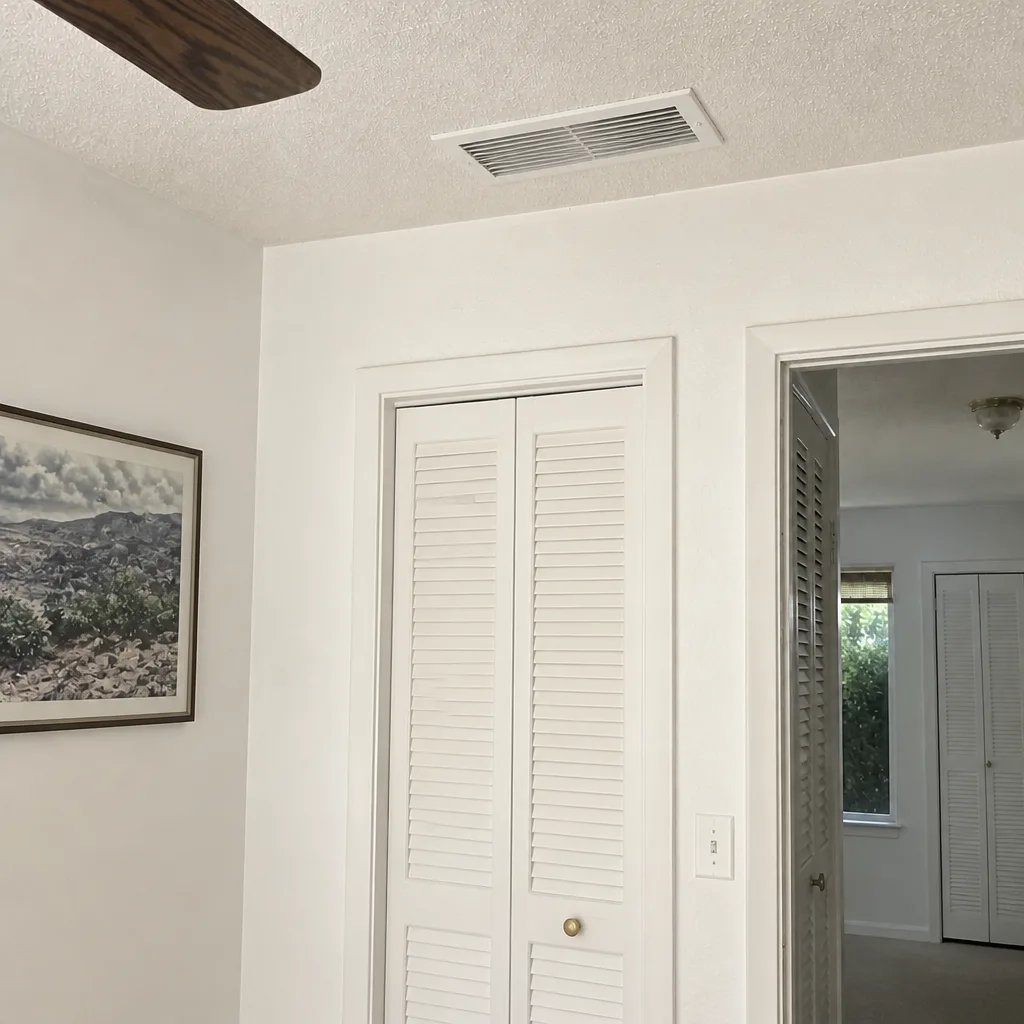
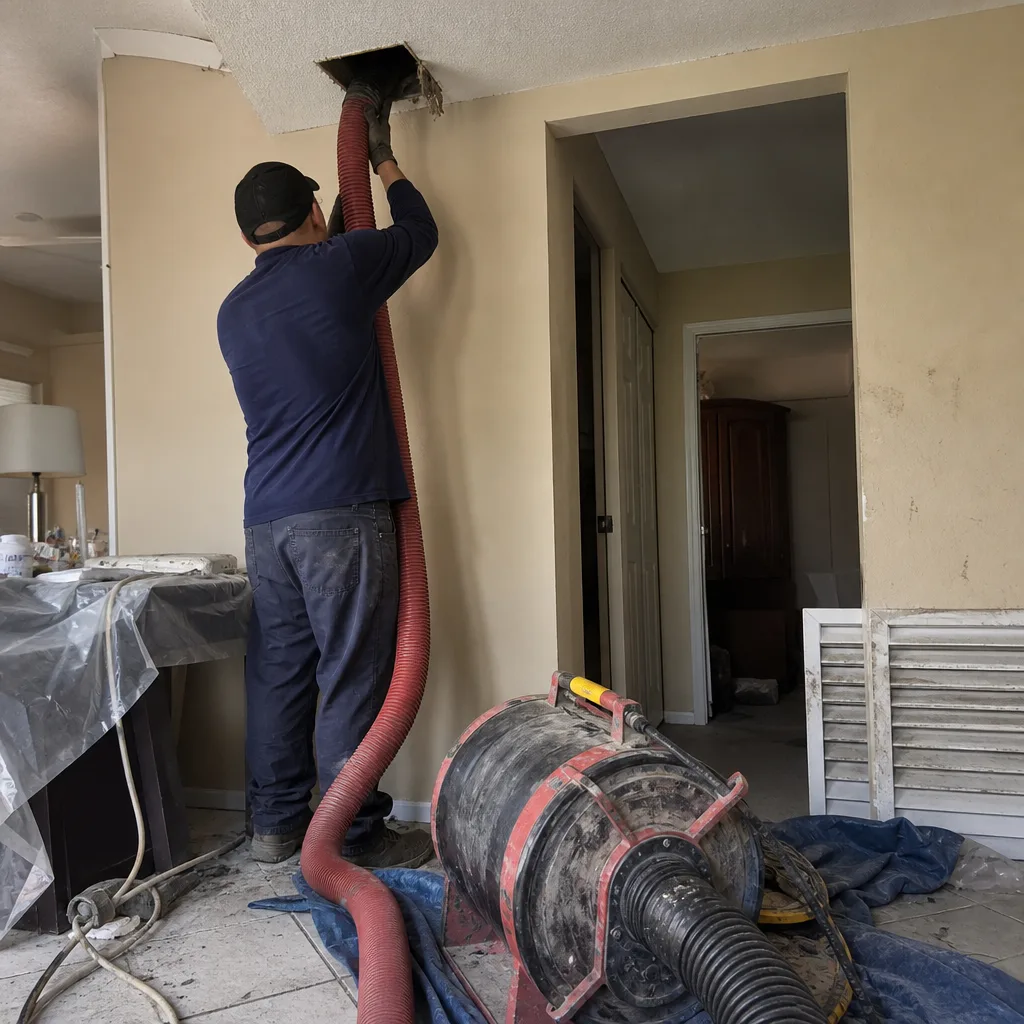
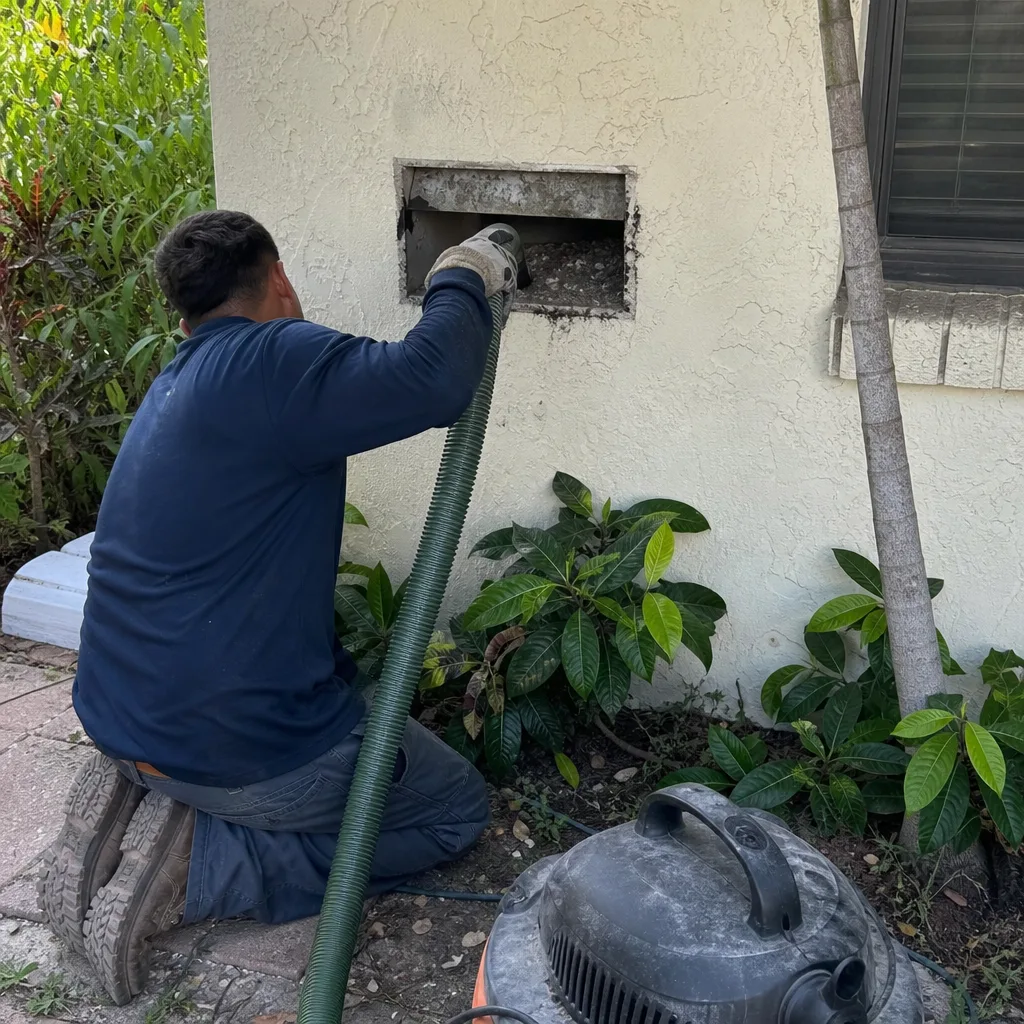
Whole-system duct and dryer vent check with before-and-after photos - you see exactly what came out of your vents
That "$99 whole-house special" is a bait ad - the real number appears once they are in your hallway, or the "clean" is a shop-vac at the register. We photograph the inside of your ducts before and after instead.
DIY vs Professional Air Duct Cleaning: The Hollywood Homeowner’s Decision Guide
Home improvement stores sell duct cleaning kits with 10-foot flexible rods and a brush on the end. Now picture a typical Hollywood home: 150 to 300 linear feet of ductwork, most of it buried in ceiling cavities, behind soffits, and above rooms you can’t easily reach. The math alone tells most of the story. A kit that reaches 10 feet cannot clean a system that runs a hundred times farther, and the debris clinging to those duct walls isn’t loose dust you can sweep away. This guide explains, mechanically, why DIY duct cleaning usually fails in South Florida homes, which small tasks you can genuinely handle yourself, and how to tell whether a “professional” is actually bringing professional equipment.
Quick Answer
DIY air duct cleaning cannot properly clean a full home system in Hollywood. A consumer kit reaches only a fraction of the ductwork, doesn’t maintain negative-pressure containment, and can’t dislodge the moisture-compacted debris common in South Florida ducts, and in some cases it makes conditions worse by spreading contamination through the home. Professional cleaning using rotary contact brushes and negative-air extraction reaches the full system and captures what it loosens. Do the small maintenance tasks yourself; leave the ducts to equipment that can actually do the job.
Styles & brands we work with
- Whole-home duct cleaning
- Dryer vent cleaning
- Camera inspection
- Sanitizing & deodorizing
Table of Contents
- What a DIY Kit Can Actually Reach vs. Professional Equipment
- Why South Florida Debris Resists DIY Brushing
- Duct Repair: The Part DIY Cleaning Can’t Touch
- The DIY Tasks That Do Make a Difference
- Five Ways DIY Cleaning Can Cause Real Harm
- How to Vet a “Professional” Duct Cleaner
- What Air Duct Cleaning Costs in Hollywood
- Common Mistakes to Avoid
- When to Call a Professional
What a DIY Kit Can Actually Reach vs. Professional Equipment
A $40 DIY duct kit cleans the first several feet of a duct run from a register opening. That is its realistic reach: a straight shot into the nearest branch, with nothing to steer it around a corner or through the plenum. Most Hollywood home systems run branch after branch through ceilings and tight chases, and a flexible rod loses usefulness at the first bend. What comes out is the loose dust near the register; what stays is everything deeper in the system.
Professional contact cleaning works differently. The Rotobrush system feeds a rotating brush through the duct that physically agitates and scrubs the duct wall surface while an extraction hose pulls the loosened debris away. It’s the difference between wiping a counter with a cloth versus sweeping it with a broom from a distance and hoping the crumbs find their way out. Contact matters because duct contamination bonds to surfaces; it doesn’t sit loose in the channel waiting to be vacuumed.
Equally important is the air handling side. A professional job sets up negative-pressure containment using industrial extraction (we use Nikro equipment, along with Abatement Technologies air-quality equipment) so the system is under suction while it’s being disturbed. That means the dust you loosen doesn’t get blown back through your registers into the room where you’re standing. A shop vac and a brush only push contamination around inside the house.
The Reach Comparison
- DIY kit: 10 to 15 feet of rod; access only from registers it can enter; no containment; no ability to reach the plenum or main trunk line.
- Rotary contact cleaning: full branch runs and main trunks; physical brush action against the duct wall; extraction tied to the same run.
- Negative-pressure setup: the entire system under suction during cleaning; debris captured at the source, not redistributed to living space.
There’s also the inspection gap. When a trained technician runs the system, they can see and feel the condition of each run, note a collapsed section of flex duct, or find the disconnected joint that has been quietly dumping conditioned air into a ceiling cavity. That knowledge is a large part of what professional air duct cleaning actually delivers.
Why South Florida Debris Resists DIY Brushing
Duct contamination in Hollywood isn’t the same as what you’d find in a dry climate. South Florida’s humidity means the air moving through ducts is often close to saturation. Dust, pollen, and lint that enter the system settle on duct walls and pick up moisture as they sit. Over time that mass compacts into a film that clings to the metal or flex lining the way kitchen grease clings to a stovetop hood. It isn’t loose. It’s stuck.
A bristle brush on the end of a flexible rod has no real force behind it. It can knock off what’s already loose. It cannot break the adhesion of a compacted film, and it has no mechanical torque to scrub at the surface. When a homeowner runs a DIY kit through a South Florida duct and sees only a modest amount of dust come out, the assumption is often that the ducts were cleaner than expected. The more likely explanation is that the film is still there, clinging as tightly as it did before.
Contact cleaning addresses the physics directly. The rotating brush head does the scrubbing work at speed and pressure, agitating the bonded material until it releases. The vacuum captures it in the same pass, before it can resettle on another wall. That combination is what makes the difference in a humid climate: force to break adhesion, and airflow management to remove what’s been broken loose.
Why the Humidity Factor Matters
- Moisture binds debris to surfaces. Damp dust compacts instead of scattering, so a low-energy brush passes over it without effect.
- Organic material stays biologically active. Moisture in the system keeps dust and lint from drying out, which is exactly the environment you don’t want inside HVAC components.
- Ordinary AC operation adds condensation. A well-running system cycles between cooling and warm ambient air; the interior of a duct run is not a dry space.
If you’re used to how duct cleaning works in drier parts of the country, the Hollywood version is a different problem. It requires equipment with real mechanical force and capture capability, not a length of plastic tubing and a brush.
Duct Repair: The Part DIY Cleaning Can’t Touch
Cleaning handles contamination. It doesn’t handle compromised ductwork, and in older Hollywood homes (and homes that have been through a few renovation cycles), the ducts themselves are often the larger problem. Disconnected joints, crushed flex runs, torn duct board, and leaky plenums are common. A duct system that’s leaking 20 to 30 percent of its conditioned air into a ceiling cavity is wasting cooling capacity before contamination even enters the picture.
This is a real gap in the DIY approach. Cleaning a damaged system can actually make performance worse, because loosening debris in a duct with a bad connection pushes contaminated air out through that gap. Professional air duct repair addresses the system’s integrity first: identifying where the duct is compromised, reconnecting what’s come apart, sealing leaks, and restoring proper airflow to each register. That’s a separate and equally important service from cleaning, and it’s not something a brush kit can evaluate or fix.
Signs Your Ducts May Need Repair, Not Just Cleaning
- One or more rooms never reach the temperature the thermostat calls for, even when the system is running.
- You notice uneven airflow across registers, or a register that seems to blow much weaker than others.
- There’s a persistent musty or dusty smell when the system runs, which can point to leakage into a ceiling cavity.
- You can see or suspect crushed or sagging flex duct in an attic or crawlspace.
- Dust settles on surfaces faster than it used to, which can indicate air escaping or being drawn from an unsealed space.
A whole-system evaluation of cleaning plus repair is where a complete indoor air solution starts. Our technicians have up to 14 years of experience diagnosing exactly this kind of split problem, and we bring the full capability (cleaning, repair, and dryer vent work) under one roof so the assessment and the fix aren’t split between two companies.
The DIY Tasks That Do Make a Difference
We’re not going to tell you that every duct-related task requires a professional. Some maintenance genuinely belongs in your hands, and doing it well makes the professional work last longer. Here’s what’s worth your time.
1. Register and Grille Cleaning
Remove the supply and return grilles and wash them in warm soapy water. Dust and lint collect on the face of the register and the inside fins, and that’s visible, reachable contamination that a vacuum or a sink can handle. Wipe down the visible throat of the duct behind the register while it’s off. This won’t clean the duct internals, but it reduces the dust load entering the system and removes the first visible layer most homeowners confuse for “the ducts are dirty.”
2. Filter Maintenance
Your filter is the single biggest lever on duct cleanliness, and it’s entirely in your hands. Check it every month or two, and change or clean it per the manufacturer’s recommendation. A clogged filter reduces airflow and forces the blower to work harder. A filter with too low a rating lets more debris into the system. If you have a Honeywell or Aprilaire filtration or air treatment system, follow that system’s specific maintenance schedule rather than a generic rule of thumb. Those systems are engineered differently from a standard 1-inch filter slot, and treating them like a regular filter wastes what they’re designed to do.
3. Dryer Vent Lint Trap Cleaning
The lint trap in your dryer is a fire-safety component, not a convenience. Clean it every cycle. The small step of removing that lint screen before every load is the one dryer-vent task that reliably belongs in the DIY column. Beyond that, the vent duct itself should be professionally cleaned on a regular basis because lint packs against the inside of the duct run in a way a homeowner can’t reach or inspect. Professional dryer vent cleaning addresses a documented fire risk; the lint trap you clean yourself covers the easy end of the same problem.
4. Keeping Returns Unobstructed
Make sure the return registers in your home aren’t blocked by furniture, rugs, or boxes. A return that can’t pull air freely puts extra strain on the whole system and pulls dust in through every gap in the ductwork. It’s a two-minute walk around the house that pays for itself.
Five Ways DIY Cleaning Can Cause Real Harm
The worst outcome of a badly done DIY duct cleaning isn’t wasted effort. It’s a system left in worse condition than before. Here’s what we see go wrong, in general terms, when homeowners try to clean their own ducts.
1. Disturbing Mold Without Containment
If there’s mold growth inside the ductwork (common in a humid climate where moisture lingers), brushing it loose without a containment vacuum and proper air management sends spores into the living space. That’s the opposite of what you’re trying to accomplish. Mold inside a duct system needs professional assessment, not a scrub brush and a shop vac.
2. Dislodging Flex Duct Connections
Flex duct runs are held together at joints with tape, collars, and friction fit. A rigid rod pushed through a duct run pushes against those joints. It’s not unusual for a DIY attempt to disconnect a run or tear the inner lining of flex duct, which then leaks conditioned air into a ceiling and reduces performance to that room. The cost of repairing the damage can be higher than the cost of the professional cleaning you were trying to avoid.
3. Voiding Equipment Warranties
HVAC manufacturers can tie warranty coverage to proper maintenance practices. A duct cleaning attempt that damages components, disrupts the system balance, or introduces moisture or debris into the equipment has the potential to complicate a warranty claim. This is one of those cases where the equipment maker’s assumption of professional service matters.
4. Pushing Debris Toward the Air Handler
A vacuum wand run from a register pushes as much as it pulls. Loose debris can be driven deeper into the system and toward the air handler, where it accumulates on components. The system comes back on with more contamination in it than when you started.
5. Missing the Problem Entirely
A homeowner cleaning from registers can’t see the plenum, the main trunk, or the interior of most branch runs. Duct damage, disconnected joints, and biological growth all tend to hide in exactly the places a DIY kit can’t reach. The system appears “cleaned,” the actual problem continues, and time passes before anyone addresses it.
How to Vet a “Professional” Duct Cleaner
A technician who shows up with a shop vac and a wand is, functionally, a more expensive DIY attempt. He’s working from the same register openings with the same limited reach and no containment. The following questions are worth asking before you book anyone in Hollywood.
- What method do you use? The answer should be contact cleaning with a rotary or powered brush system, not “vacuum cleaning.” Ask whether the brush physically agitates the duct wall. A cleaner who can’t describe the method in plain terms probably doesn’t have one.
- Do you set up negative pressure? Professional equipment includes an extraction vacuum that keeps the system under suction during the job. If the answer is no, dislodged debris has nowhere to go but into your home.
- What brand of equipment do you use? Rotobrush, Nikro, and Abatement Technologies are the named brands you’re looking for. The specific brand name is a credible signal; “state-of-the-art equipment” is not an answer.
- Can you inspect and repair ductwork, or clean only? A system with damaged or disconnected ducts needs repair, not just a cleaning. A cleaner who can’t offer that capability will clean a broken system and leave the actual problem in place.
- Will I get photos before and after? Before-and-after photos of your own ducts are the simplest way to confirm the work was actually done. If a company can’t produce them, you have no way of knowing.
- How is the price structured? A flat price per system agreed before work begins tells you what you’re paying. Per-vent pricing invites the classic bait-and-switch: a low teaser price that grows the moment a technician is on site.
We bring the Rotobrush contact-cleaning system on every air duct job, along with Nikro extraction and Abatement Technologies containment equipment. We also work with Honeywell and Aprilaire filtration and air treatment systems, and can address Guardsman duct protection products where appropriate. We don’t present that as a menu of options; it’s the baseline of what a professional-grade duct cleaning job should be.
What Air Duct Cleaning Costs in Hollywood
Homeowners often assume the professional cost is wildly higher than the DIY route. In fact, the professional cost is the only route that reliably does the job, and understanding how it’s priced helps you recognize a fair estimate. Per-system flat pricing (called a whole-system price) is the structure we use and the one worth insisting on.
A fair written estimate for a full-system cleaning covers the number of systems (some homes have more than one), the square footage of the home, the complexity of the duct layout, and any repair work identified during inspection. It should not be built from a per-vent count, and it should not be a coupon figure that grows once a technician arrives. The final price is the one on the written estimate.
What’s Included in a Real professional-Grade Job
- Full-system contact cleaning using the Rotobrush rotary brush system, not a vacuum wand.
- Negative-pressure containment using Nikro extraction or equivalent equipment, so debris is captured at the source.
- Air-quality containment using Abatement Technologies equipment where conditions call for it.
- Inspection findings: any duct damage identified during the job and the repair recommendation that follows.
- Before-and-after photos of the actual ducts in your home.
If you’re comparing quotes from multiple companies, ask each one what equipment they’re bringing and whether the price is flat per system or per vent. That question alone filters out most of the people who shouldn’t be doing this work. If you’d like a free estimate in Hollywood, call (866) 361-9843 and we’ll walk you through what your system actually needs.
Common Mistakes to Avoid
- Buying the register-mounted brush kit and expecting a full clean. A 10-foot reach in a 150 to 300 foot system cleans the wrong end of every run. It creates confidence without addressing the deeper contamination that’s actually circulating through your home.
- Cleaning ducts in a Hollywood home without accounting for humidity. Treating South Florida ducts like a dry-climate job leads homeowners to underestimate what’s stuck to the walls. Debris here is bonded, not loose, and a low-energy brush won’t touch it.
- Skipping dryer vent cleaning while doing the ducts. It’s common to think of dryer vent cleaning as a separate, less important task. It’s a documented fire-safety risk, and every cycle of laundry leaves lint behind in the run.
- Assuming all duct cleaners use the same equipment. A crew with a shop vac and a pressure hose can be indistinguishable on the invoice from a crew with contact-cleaning equipment, but the result is different. Always verify the equipment before booking.
- Cleaning a system that has damaged or disconnected ducts. Cleaning forces air through a system under pressure. If the ducts leak or are crushed, the cleaning makes the problem better hidden, not better fixed. A repair evaluation should come first.
- Accepting a per-vent coupon price without a written estimate. The low figure is the opening line of the bait-and-switch most homeowners have heard about. Ask for a flat price per system before work starts and get it in writing.
- Ignoring a musty smell after cleaning. If the smell persists, the cleaning addressed the visible dust and missed something: moisture, mold, a leaking duct joint, or the plenum. Get a second look before assuming the job is done.
When to Call a Professional
If any of the following describes your situation, the DIY route is the wrong route, and it’s time to bring in a professional duct specialist.
You’ve moved into a new home and don’t know the service history of the ducts; a professional cleaning plus inspection establishes the baseline. You’ve finished a renovation that generated dust, drywall, or debris. Anyone in the household has allergies or respiratory concerns and the change in symptoms lines up with a dirty system. You’ve noticed musty or dusty smells when the HVAC runs. You see uneven airflow or rooms that don’t reach temperature. Your dryer takes longer than it used to. A recent inspection flagged duct issues. Or you simply haven’t had a real cleaning done in several years.
Hollywood Duct Cleaning offers free estimates in Hollywood, and we bring the full professional tool kit (Rotobrush, Nikro, Abatement Technologies) with the same attention whether it’s a standard cleaning, a repair diagnosis, or a dryer vent service. Call (866) 361-9843. We answer 24/7. Fast dispatch from 7am to 7pm, Sunday through Friday.
See the difference
 Before
 After
 Before
 After
 Before
 After
Frequently Asked Questions
Not thoroughly. A DIY kit can reach the first 10 to 15 feet of a duct run and loosen surface dust, but it can’t scrub compacted debris from duct walls or maintain negative-pressure containment. In South Florida humidity, the debris that matters most is bonded to the walls and resists low-energy brushing. The realistic DIY win is register cleaning, filter maintenance, and dryer lint trap cleaning; the full-system cleaning itself belongs with professional equipment.
A full-system professional cleaning is priced per system, with the exact figure set by the written estimate after a look at your home’s duct layout and number of systems. The cost is not a per-vent figure, and we don’t quote a teaser price that grows once a technician arrives. The number on the written estimate is the number you pay. Call (866) 361-9843 for a free estimate and an exact figure for your home.
Cheap quotes usually reflect cheap equipment and limited scope. A crew with a shop vac and a wand cleans the same register openings a homeowner can reach, which is essentially a more expensive DIY attempt. A quote that includes the Rotobrush contact-cleaning system, Nikro negative-pressure extraction, and Abatement Technologies containment reflects the equipment and labor of an actual full-system job. Those aren’t the same service, so the prices aren’t comparable.
Ask for before-and-after photos of your own ducts, not stock images from a website. Real documentation of the actual runs inside your home is the only honest proof that anything changed. We also bring a flat price per system agreed before work starts, so the size of the invoice is never a surprise after the fact.
Most homes in Hollywood benefit from a professional cleaning every few years, and more often if there are pets, recent renovations, allergy concerns in the household, or visible signs of debris on the registers. There’s no universal calendar number that applies to every home; a look at your system and its condition is what actually sets the interval. Call (866) 361-9843 to talk through your situation and get a free estimate.
If your ducts are damaged, disconnected, crushed, or leaking, cleaning alone won’t fix the system performance problem. Air duct repair is a separate service that restores ductwork integrity; cleaning handles contamination. A professional inspection can tell you which one (or both) your home actually needs, and in a lot of older Hollywood homes the answer is both. Call (866) 361-9843 for a free estimate that covers the assessment.
The Bottom Line
The DIY vs. professional question for duct cleaning comes down to what consumer tools can physically reach and dislodge inside a real Hollywood home duct system. Most can’t reach it, and the moisture-compacted contamination that builds up here needs contact scrubbing and negative-pressure capture to be removed. Do the maintenance tasks that genuinely belong in your hands (registers, filters, lint trap), and trust the full-system cleaning to equipment that can actually get to it. When you’re ready to see what your system actually looks like, Hollywood Duct Cleaning offers free estimates: call (866) 361-9843 for a quote. We answer 24/7. Fast dispatch from 7am to 7pm, Sunday through Friday. Visit Hollywood Duct Cleaning for more about our work across Hollywood.
Written by the team at Hollywood Duct Cleaning.