
Last updated November 15, 2026
 Whole-home duct cleaning
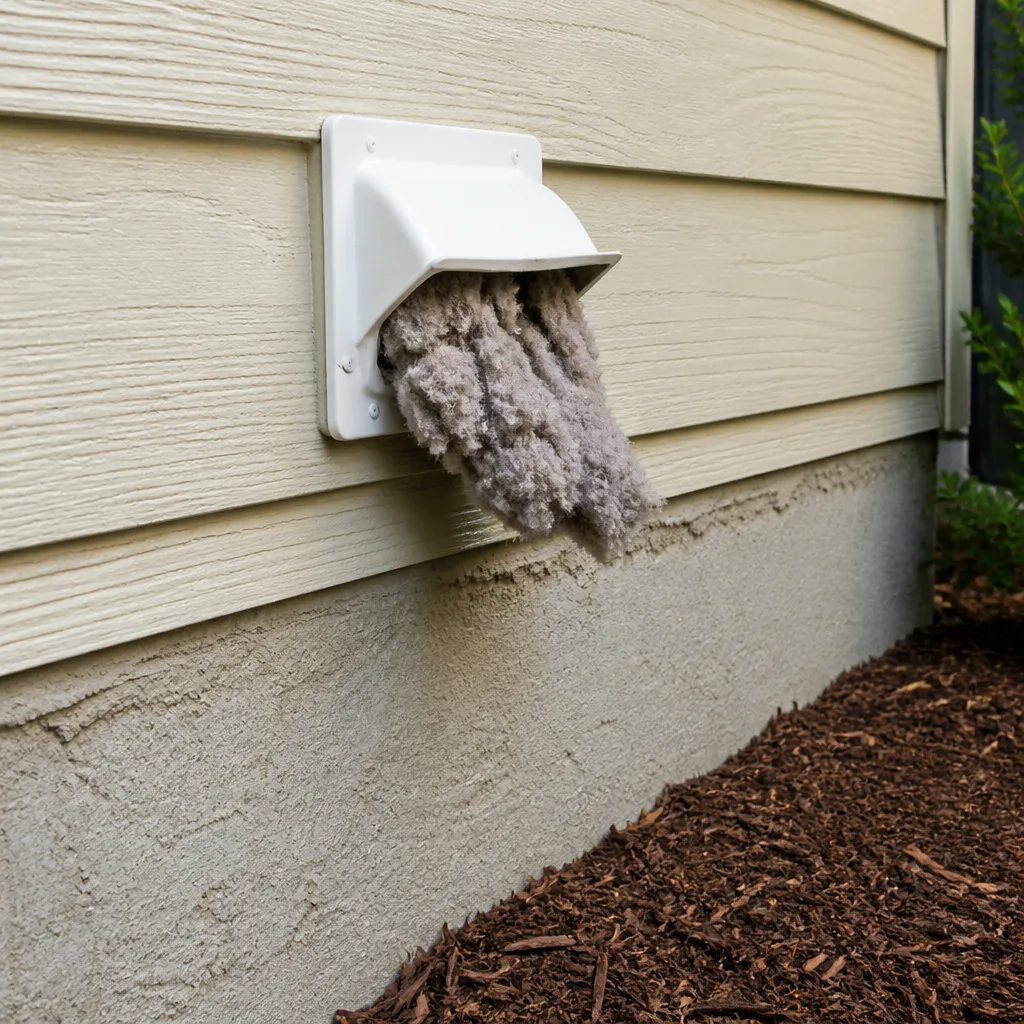 Dryer vent cleaning
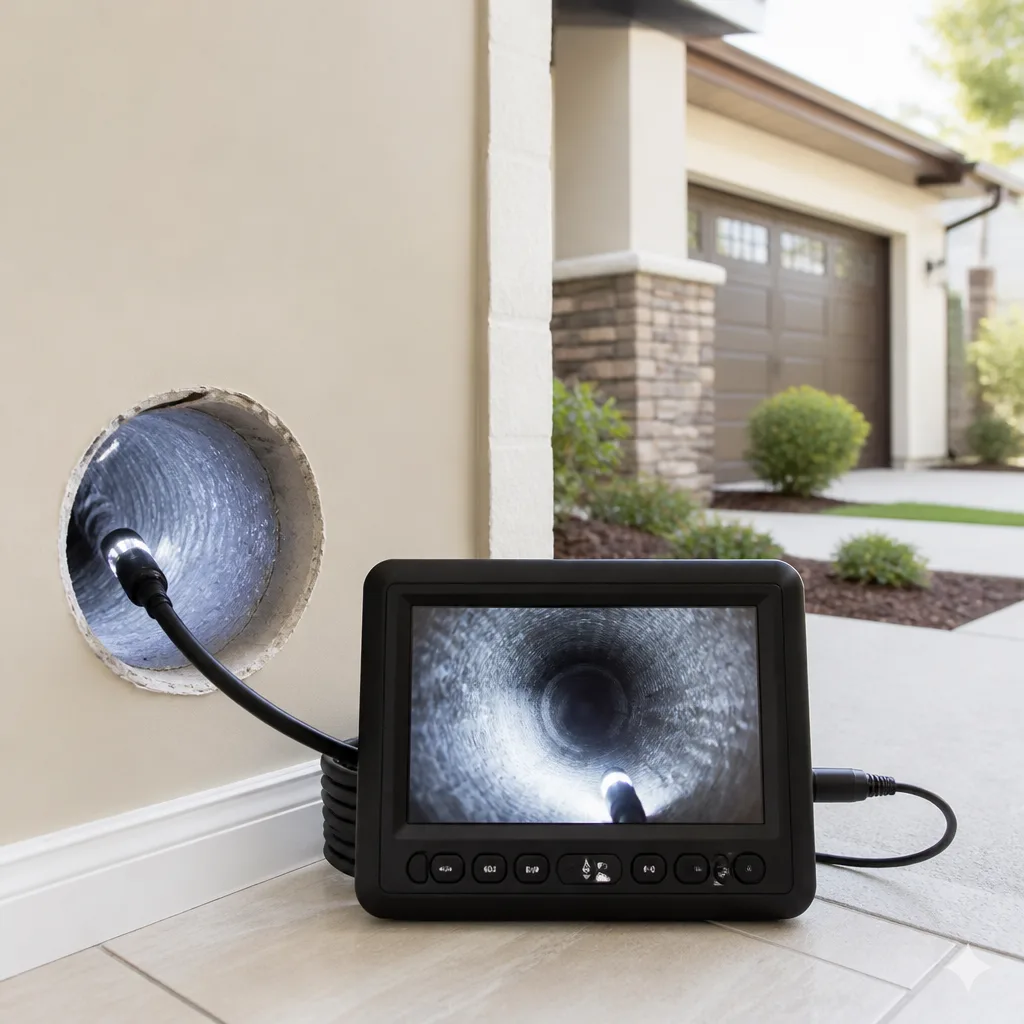 Camera inspection
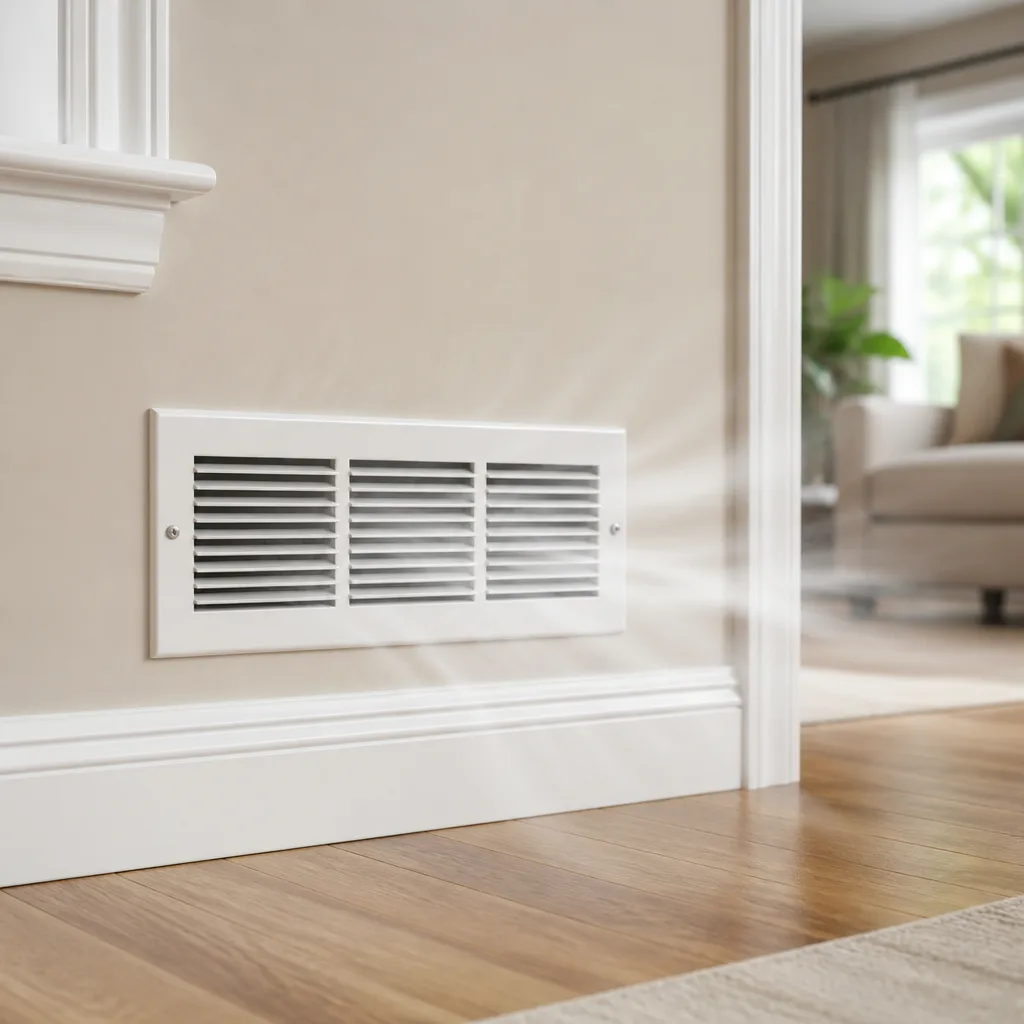 Sanitizing & deodorizing
Whole-system duct and dryer vent check with before-and-after photos - you see exactly what came out of your vents
That "$99 whole-house special" is a bait ad - the real number appears once they are in your hallway, or the "clean" is a shop-vac at the register. We photograph the inside of your ducts before and after instead.
Air Duct Cleaning Maintenance Checklist for Hollywood Homeowners
Generic duct maintenance checklists tell you to change your filter every 90 days. In Hollywood, FL, where AC systems run 10 to 11 months a year and outdoor humidity regularly tops 80%, that interval can be 60 days too long. A schedule built for a Minnesota house fails here, because the conditions that load up your ducts are different: near-constant runtime, a long humid season that never lets the system dry out, and a hurricane season that can push debris and moisture into places a filter never sees. What follows is a maintenance calendar built around how Hollywood HVAC systems actually live. You’ll get a month-by-month reference, filter intervals tied to runtime rather than a national average, smell and sight checks you can do without tools, and a simple way to track duct condition over time.
Quick Answer
For a Hollywood home, the core duct maintenance checklist is: change the filter every 30 to 60 days during the long cooling season rather than every 90, inspect the dryer vent every three months, do a visual and smell check of supply registers monthly, book a professional air duct cleaning evaluation on a 2 to 3 year cadence unless you’ve had a renovation, a hurricane, or a moisture problem, and keep a dated photo log of your registers so you can see change instead of guessing at it. The reason the intervals are tighter than a national template: your system is moving air almost every day of the year in a humid climate.
Styles & brands we work with
- Whole-home duct cleaning
- Dryer vent cleaning
- Camera inspection
- Sanitizing & deodorizing
Table of Contents
- Why Hollywood Duct Maintenance Is Not a National Template
- The Month-by-Month Hollywood Maintenance Calendar
- Filter Change Intervals Calibrated to Hollywood Runtime
- Visible and Smell-Based Warning Signs You Can Check Without Tools
- Dryer Vent Inspection: The Parallel Checklist Item Most Homes Skip
- How to Document Duct Condition and Build a Baseline
- When the Problem Is Duct Repair, Not Cleaning
- Common Mistakes to Avoid
- When to Call a Professional
Why Hollywood Duct Maintenance Is Not a National Template
Duct maintenance advice usually gets copied from one region to another without anyone asking whether the conditions match. In most of the country, a home gets a real break from its HVAC system: months when the heat runs rarely and the blower sits idle. In Hollywood, that break is short. The cooling side of the system carries the load from early spring into late fall, which means the blower is pushing air across your duct surfaces nearly every day, and the duct interior stays in a warm, humid envelope that’s friendly to biological growth. That is the single biggest reason maintenance intervals need to be recalibrated here.
Humidity is the second factor. When supply ducts sit in conditioned space, that’s generally a good thing; when they pass through a hot attic, the temperature differential between the cool duct surface and the humid attic air creates condensation potential. A duct that’s slightly under-insulated or has a pinhole leak at a joint doesn’t just lose efficiency; it can become a wet spot that collects dust and holds moisture. That’s a different failure mode than a dry-climate duct, where the problem is usually just dust accumulation.
Then there’s hurricane season. When a storm passes through and the power drops, the system stops moving air, and the house gets humid. When the power comes back, any construction dust, insulation fibers, or moisture that got into the duct chase gets pushed through the living space. Every hurricane season is a legitimate reset point on your baseline, even if the storm didn’t touch your roof. Knowing this keeps you from treating a post-storm change like a mystery.
Finally, the building stock varies block to block in Hollywood. Older homes and newer builds don’t share duct layouts, materials, or insulation levels, and a checklist that assumes one type of house will steer you wrong on the other. So the calendar below is built as a framework, not a rulebook – adjust based on the age and layout of your home and what you actually observe.
The Month-by-Month Hollywood Maintenance Calendar
A calendar mapped to actual seasons beats a “change filter every 90 days” sticker, because Hollywood’s seasons are defined by cooling load and storm activity, not by snow. Here’s how to organize the year.
Pre-season startup (late February to early March). Before the cooling load ramps up, look at every supply and return register you can reach. Wipe the grille with a damp cloth, photograph it, and note any dust pattern or dark ring. Note the date. Check the filter slot and replace the filter if the last change is more than 30 days back. If your HVAC contractor offers a spring tune-up, this is the right window, and it’s smart to have them check the air handler’s blower and coil while they’re there.
Peak cooling load (April through September). This is when the system is working hardest and when a filter clogs fastest. Check the filter at the 30-day mark in the first month and adjust based on what you see; if it’s visibly loaded at 30 days, keep the 30-day interval through the summer. Monthly, do the register check. If you have a dryer vent that exits on an exterior wall, check the exterior hood monthly for lint.
Hurricane season watch (June through November). Keep a small log of any storm that affects your area, including the date the power was out. After each named storm, re-check the registers and photograph them. If the storm involved roof damage, wind-driven rain, or a renovation phase, treat the ducts as suspect and get them inspected rather than just cleaned.
Post-hurricane inspection. The week after a storm is the right time for the full walkthrough. Check for any visible moisture near registers, any new stains at ceiling penetrations, and any change in smell. This is also the moment to schedule professional Hollywood duct cleaning if you had construction or water intrusion, rather than waiting until you notice symptoms inside the living space.
Dry-season rest (December through February). The system still runs, but the load is lighter. Use this window for the things that need time: dryer vent cleaning, a proper baseline inspection if you haven’t done one, and any duct repair work an inspection has flagged. Doing these now means you’re ready for the next cooling season instead of reacting mid-summer.
Filter Change Intervals Calibrated to Hollywood Runtime
The “every 90 days” guideline was written for a climate where a filter sees maybe 1,500 to 2,000 hours of airflow a year. In Hollywood, an AC system running 10 to 11 months a year at high daily runtime can see two or three times that. A filter has a fixed dirt-holding capacity, so it loads up proportionally to the hours of air it treats, not to the calendar alone.
The practical approach is to check the filter at 30 days for the first few cycles and let the filter tell you the interval. Here’s how to calibrate it:
- Write the install date on the filter frame with a marker so you’re never guessing.
- At 30 days, pull the filter and hold it up to a light. If it’s noticeably gray or you can’t see light through it, you’re already overdue and you should shorten the interval.
- If it’s still clean at 30 days, check again at 45 and 60. Use the shortest interval you actually observe before it loads.
- In the peak cooling months, plan on erring toward the short interval; in December through February you can usually stretch it slightly.
Filter choice matters as much as interval. A high-MERV filter catches more, but it also resists airflow, which matters in a system that runs almost year-round and can stress the blower. A middle-of-the-road filter with a consistent replacement schedule usually beats a top-of-the-line filter that stays in too long. If you’re not sure what your system is designed for, ask your HVAC contractor. We also service filtration and air-treatment components from Honeywell and Aprilaire, which is useful if you’re upgrading rather than just swapping.
The return grille size is another detail people miss. A single undersized return filter clogs faster than a larger one because it moves more air per square inch of filter media. If you find yourself changing the filter every three weeks, mention it to your HVAC contractor; the return may be undersized for the system.
Visible and Smell-Based Warning Signs You Can Check Without Tools
You don’t need a moisture meter or a borescope to notice the signals that matter most. The information gain here is learning what to look at and how to describe it, so that if you do call a professional, you can say what you’ve observed instead of just “something feels off.”
Visible signs:
- Dust streaking on the wall or paint near a supply register, which often means air is escaping at the grille edge.
- A visible dust plume when you stand near a register with the system running – not a slight puff, but a steady stream.
- Dark stains or rings on ceiling material near a duct penetration. This one deserves professional attention rather than a wipe-down.
- Grille or diffuser edges that have separated from the drywall, which can be a small sign of duct movement or flexing.
- Visible lint behind or under the dryer, which is a signal the vent path may be loading up.
Smell signs:
- A musty, “damp basement” smell that appears only when the AC runs – often the most reliable signal of moisture in the duct system.
- A dry, dusty smell that comes back within days of changing the filter.
- A smell of dryer lint or warm fabric odor near the laundry area, which is a strong signal to check the vent path.
- Any solvent or chemical smell that can’t be traced to a source in the room; stop running the system and investigate.
One more thing to check with your ears: any whistling at a register, or a rattle you don’t remember, can point to a duct that’s leaking or a damper that’s partly closed. That’s a duct repair question more than a cleaning question, and it’s worth documenting with the date and register location so a technician can start there.
Dryer Vent Inspection: The Parallel Checklist Item Most Homes Skip
Dryer vent cleaning is not a convenience item bundled onto a duct cleaning; it’s a documented fire safety issue, and on a Hollywood maintenance checklist it deserves its own line and its own interval. Lint is highly flammable, and a vent that has narrowed with lint is also a vent that traps heat inside the dryer and the duct itself. The classic warning signs are simple to spot: the dryer takes noticeably longer to dry a load, the top of the dryer gets hot to the touch, or you smell lint when the dryer runs. Any of these is a signal to stop using the dryer until the vent is inspected.
We treat dryer vent cleaning as part of the full indoor air picture rather than a separate upsell, because the vent path is a duct, and the same failure logic applies. A homeowner who’s already thinking about duct maintenance is only one step away from thinking about the dryer vent too, and both should sit in the same tracker.
The Hollywood-specific angle is that the laundry setup often sits in a utility closet or on an exterior wall, which means the run to the outside hood can be short but can also have elbows or a flexible section that accumulates lint faster than a straight run. On the exterior, look at the hood flap: it should open freely when the dryer runs and close when it stops. If it’s stuck open or stuck shut, that’s a hint. A layer of lint on the hood or the surrounding wall is another.
Put dryer vent inspection on the same three-month cadence as your register check. Document it in the same log – date, observation, action taken. If the dryer takes longer to dry, if the vent run is longer or more contorted than typical, or if it’s been years since the vent was last properly cleaned, it’s time for professional attention rather than more lint-trap clearing.
How to Document Duct Condition and Build a Baseline
Most people call a duct cleaner because something has changed and they’re not sure what. The single best way to avoid both unnecessary service and missed problems is to build a simple baseline that lets you see change over time. It takes an hour and a smartphone.
- Photograph every supply and return register you can reach, straight-on and from a 45-degree angle, in the same lighting each time. Date the photos.
- In a notebook or a shared note, list each register’s location and note any pattern you see (streaking, dust ring, uneven airflow).
- Note the filter install date and the type of filter on your first entry. Update it at each change.
- Log any event that alters the duct environment: roof work, water intrusion, a renovation, a hurricane, a power outage that lasted more than a few hours.
- Log any smell observation with the date and the room.
- Every six months, compare the new photos to the baseline and ask: has anything changed, and is the change progressive or one-time?
This log does two things for you. First, it’s the honest way to decide whether a professional visit is warranted – a pattern that hasn’t changed in a year is different from one that appeared in the last two months. Second, if you do book an inspection, you can hand the technician a real record instead of a verbal memory, and the written estimate that follows will be based on evidence.
We bring professional equipment into every job, and one of the things a proper inspection does is show you the inside of the duct so you can see for yourself. Contact cleaning with the Rotobrush system physically agitates and scrubs the duct wall surface rather than just passing a vacuum wand through the opening, and Nikro extraction maintains negative pressure so the dislodged material is pulled out of the system instead of recirculating. That gives you before-and-after photographs of your own ducts – a more useful baseline than anything you can see from the floor.
When the Problem Is Duct Repair, Not Cleaning
Not every duct problem resolves with cleaning, and one of the gaps in most homeowner checklists is not distinguishing the two. Cleaning removes accumulated debris from a duct system that is otherwise structurally sound. Duct repair addresses the system itself: disconnected joints, crushed or bent runs, leaks at seams, damaged flex sections, or runs that were never properly sealed to begin with.
The signals that point toward repair rather than cleaning:
- Airflow that’s noticeably weaker at one or two registers than the rest of the house.
- Rooms that never reach the set temperature while the rest of the house does.
- Whistling or a rushing sound at a register that’s out of proportion to the airflow.
- Visible separation between a duct and its register boot, or a flex section that has collapsed.
- A recurring dust plume right at one register, which can point to a leak pulling attic or wall cavity air into the supply.
We offer duct repair as a standalone service, which matters because cleaning a system with compromised ductwork can make the problem look solved while the underlying leak remains. If the ducts aren’t structurally sound, they’ll just foul again. On a Hollywood home, the risk is that a leak in a duct that passes through a hot attic is also a leak that pulls humid attic air into the supply – so a repair fix can improve both air quality and system efficiency at once. If an inspection turns up a problem, we can quote the repair on its own.
Common Mistakes to Avoid
- Treating the 90-day filter rule as universal. In Hollywood’s runtime, that’s often 30 to 60 days too long. Let the filter’s actual loading tell you the interval, not the timeline on the packaging.
- Wiping the register grille and calling it done. The grille is the least important surface; the duct wall behind it is the one that accumulates material. A wiped grille over a dirty run reads as clean when it isn’t.
- Ignoring the smell. A musty smell when the AC runs is a moisture signal, not a nuisance. Masking it with a plug-in or a spray lets a small problem grow into a repair.
- Clearing the lint trap and thinking the dryer vent is fine. The trap catches a fraction of the lint; the vent path is where it accumulates against the wall of the duct.
- Skipping a post-hurricane check because the storm “didn’t hit us directly.” Power outages, wind-driven rain, and nearby roof work can all push material into the duct chase even if your roof stayed intact.
- Hiring a vacuum-only service on price alone. A wand passed through the opening doesn’t agitate material off the duct wall, and without negative-pressure containment the dislodged debris goes somewhere – usually back into the room. Ask about the equipment before you book.
- Booking a cleaning when the real problem is a broken duct. Cleaning a system with a disconnected run or a crushed flex section won’t fix the underlying airflow problem. Ask for the repair scope to be quoted too.
See the difference
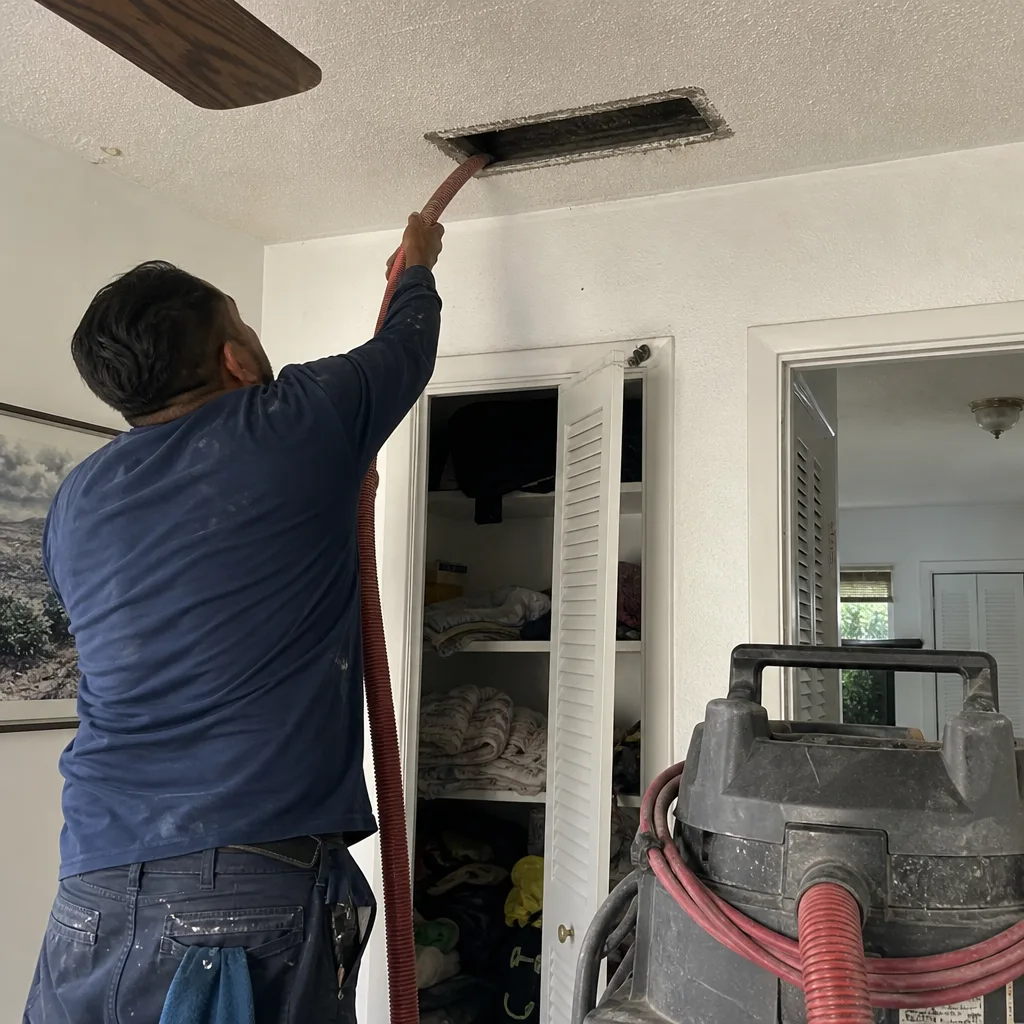 Before
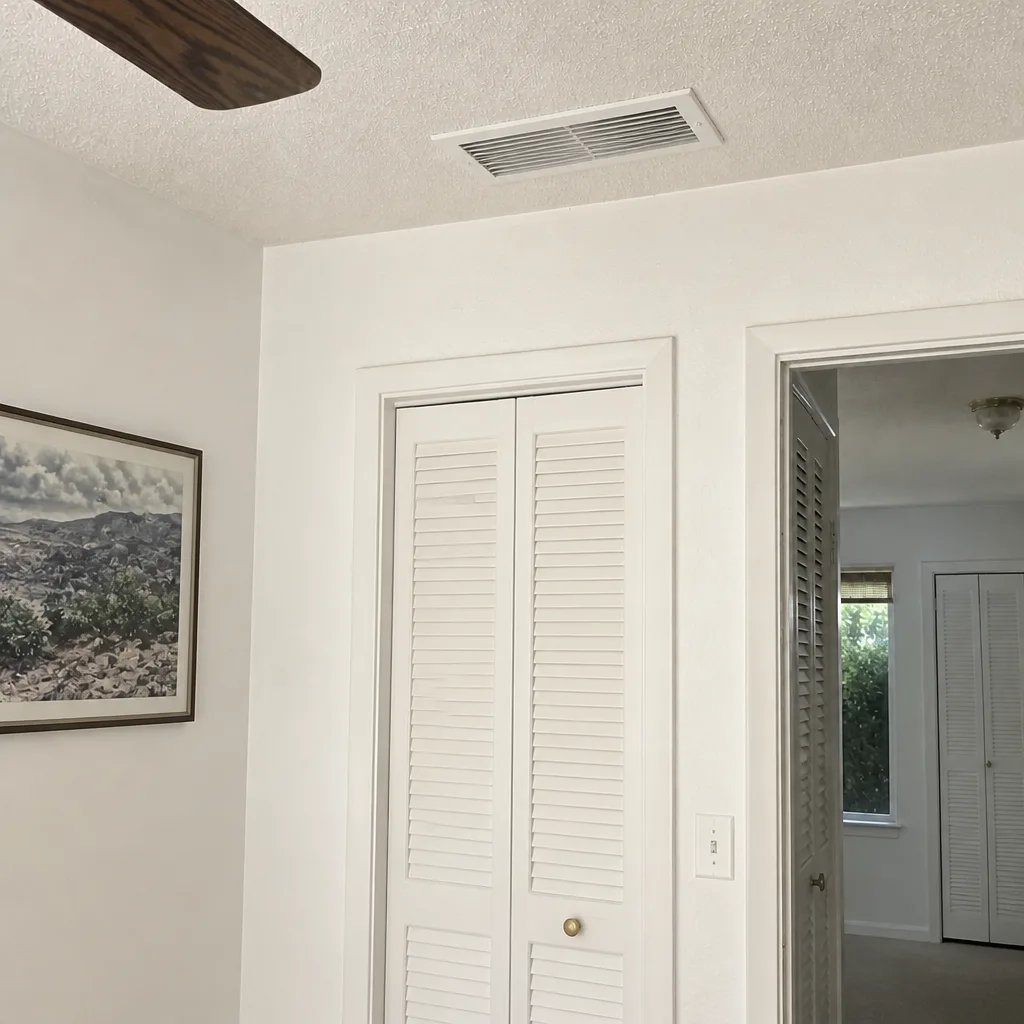 After
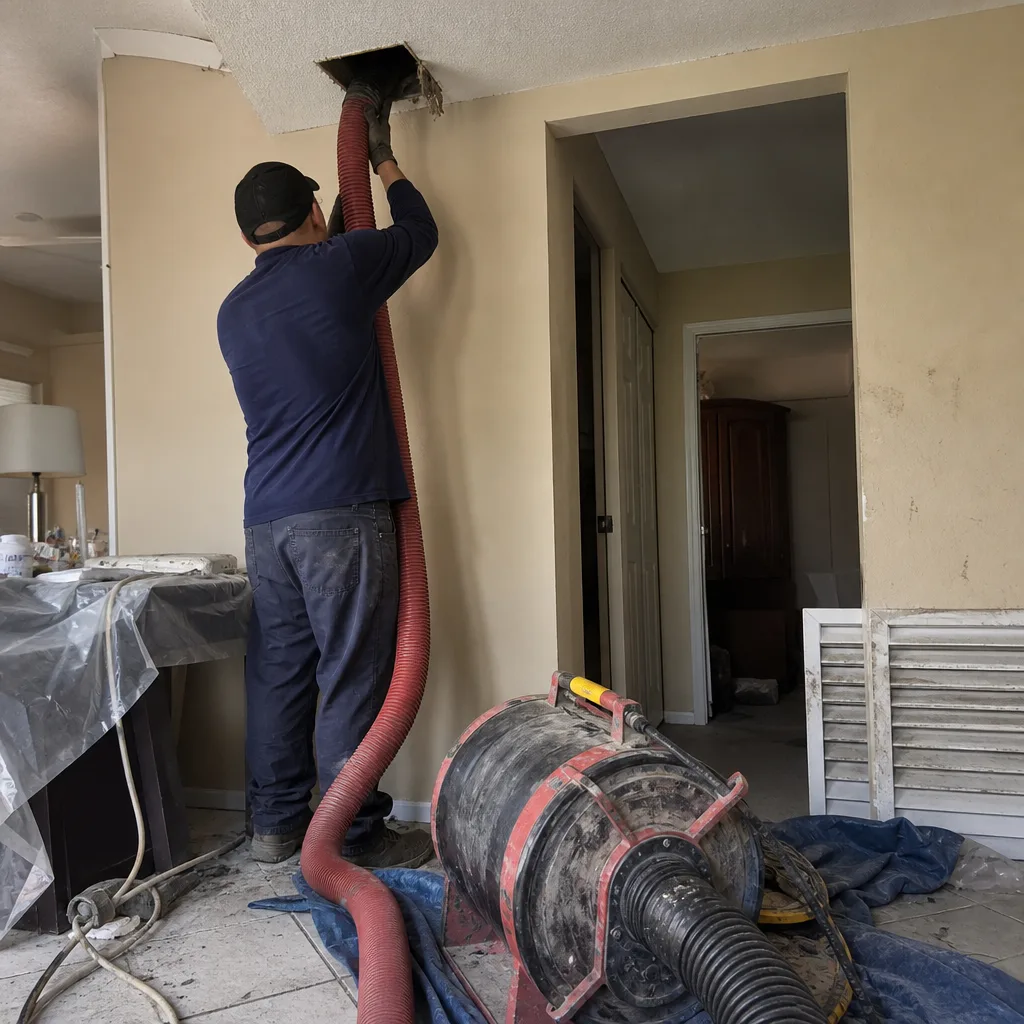 Before
 After
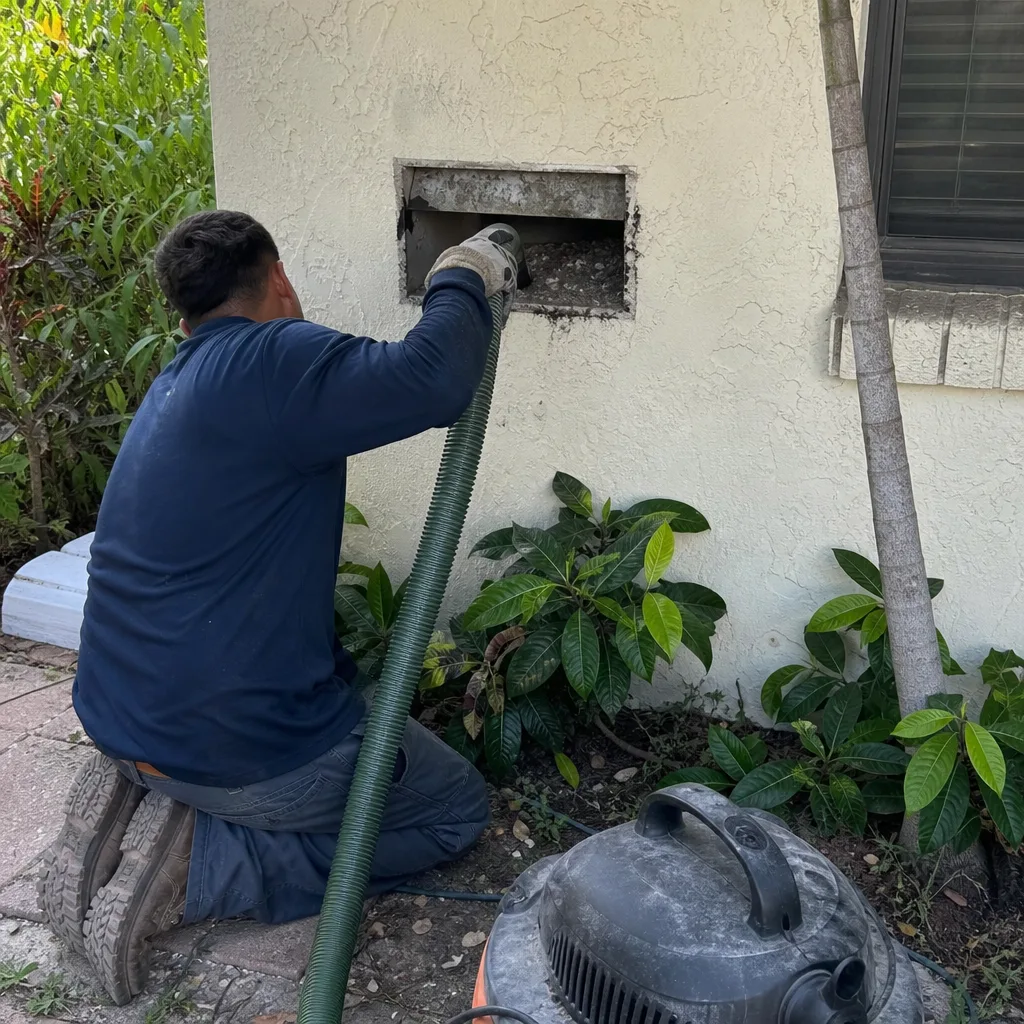 Before
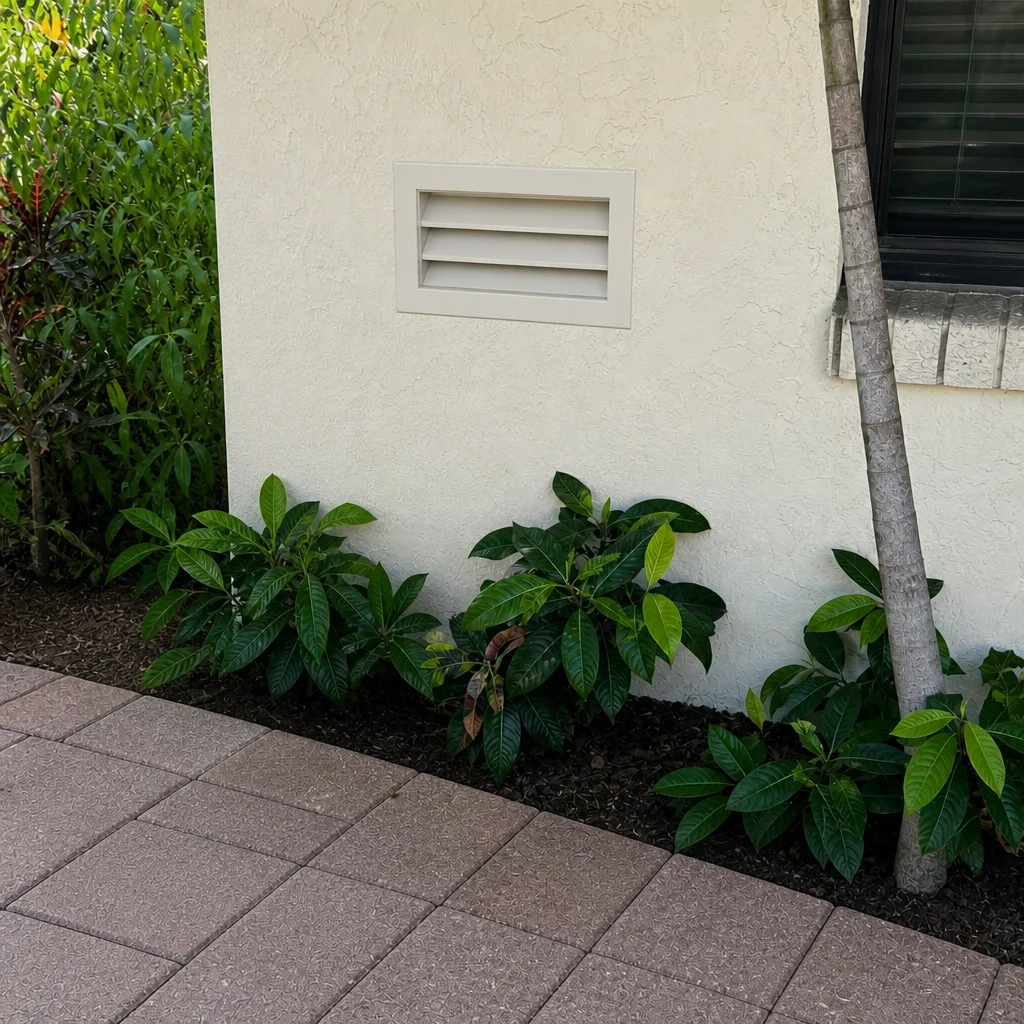 After
When to Call a Professional
Call a professional when you’ve observed a smell that returns within days of a filter change, when a register is visibly emitting dust at the grille, when your photo log shows a progressive change you can’t explain, after any roof or water intrusion work near a duct chase, and after a hurricane season if the house was without power for more than a few hours. Also call if the dryer takes longer to dry a load, if the dryer gets hot to the touch, or if it’s been a long time since the vent was properly inspected – those are safety flags, not efficiency tweaks. Duct repair questions, including weak airflow at one register or a run you can see has separated, are worth a conversation before you commit to cleaning.
Hollywood Duct Cleaning offers free estimates in Hollywood. When we look at a system, we look at it with the same class of equipment used in professional indoor air quality work, including Abatement Technologies containment gear, so the finding is documented and the before-and-after photos are yours. Call (866) 361-9843. We answer 24/7. Fast dispatch from 7am to 7pm, Sunday through Friday. Our technicians have up to 14 years of experience.
Frequently Asked Questions
A 2 to 3 year cadence is a reasonable default for a Hollywood home with no unusual events, but the right interval comes from what your log shows, not the calendar. Homes that have had a renovation, a hurricane, water intrusion, or a persistently musty smell should be evaluated sooner. A free estimate after the evaluation tells you whether cleaning is needed now or can wait.
In most Hollywood homes, yes, especially during peak cooling season. The 90-day guideline assumes the system runs a fraction of the year; here it runs nearly all year, so the filter loads faster. Check at 30 days for the first few cycles and let what you see set the interval. Call (866) 361-9843 for an estimate if you want a technician to look at the whole system rather than just the filter.
A smell that appears only when the system runs points to moisture inside the duct system, which is a concern in Hollywood’s humidity even in a well-maintained home. It’s worth a professional inspection rather than a home remedy, because the cause can be a small leak, under-insulation, or a run passing through a humid attic. Call (866) 361-9843 – the estimate is free and the finding gets documented.
Yes. The dryer vent is a duct, it accumulates flammable lint, and a narrowed vent traps heat inside the dryer and the run. Add it to your three-month check alongside the register walkthrough. If the dryer runs hot to the touch or takes noticeably longer to dry, stop using it and have the vent inspected. Call (866) 361-9843 to book the inspection.
A proper service uses contact cleaning that physically agitates the duct wall – we use the Rotobrush system – plus negative-pressure extraction, which we handle with Nikro equipment, so dislodged material is removed and not recirculated. A wand passed through the register opening without either is a limited job. Ask what equipment a company uses before you book, and ask for before-and-after photos. Call (866) 361-9843 for a free estimate that includes the scope and equipment.
If the whole system has uniform dust and no obvious airflow trouble, cleaning is the likely answer. If one or two registers are weak, a run is visibly separated or crushed, or a room never reaches temperature, that’s a duct repair question. We quote repair on its own, so you’re not paying for a cleaning that doesn’t address the actual problem. Call (866) 361-9843 to set up a free estimate.
The Bottom Line
A Hollywood duct maintenance checklist should be built from the conditions this area actually creates: near-year-round runtime, humid air that keeps the duct envelope warm and damp, and a hurricane season that resets your baseline whether you want it to or not. Change the filter on what you observe, not on a national sticker. Walk the registers monthly. Keep the dryer vent on the same schedule. Photograph your baseline and compare. Treat the inspection as the starting point and the estimate as the guide, and you’ll book service when it’s warranted and skip it when it isn’t. Call (866) 361-9843 for a free estimate in Hollywood. Our technicians have up to 14 years of experience, and we bring the same class of equipment used in remediation-grade indoor air work to every job.
Written by the team at Hollywood Duct Cleaning.