
Last updated November 15, 2026
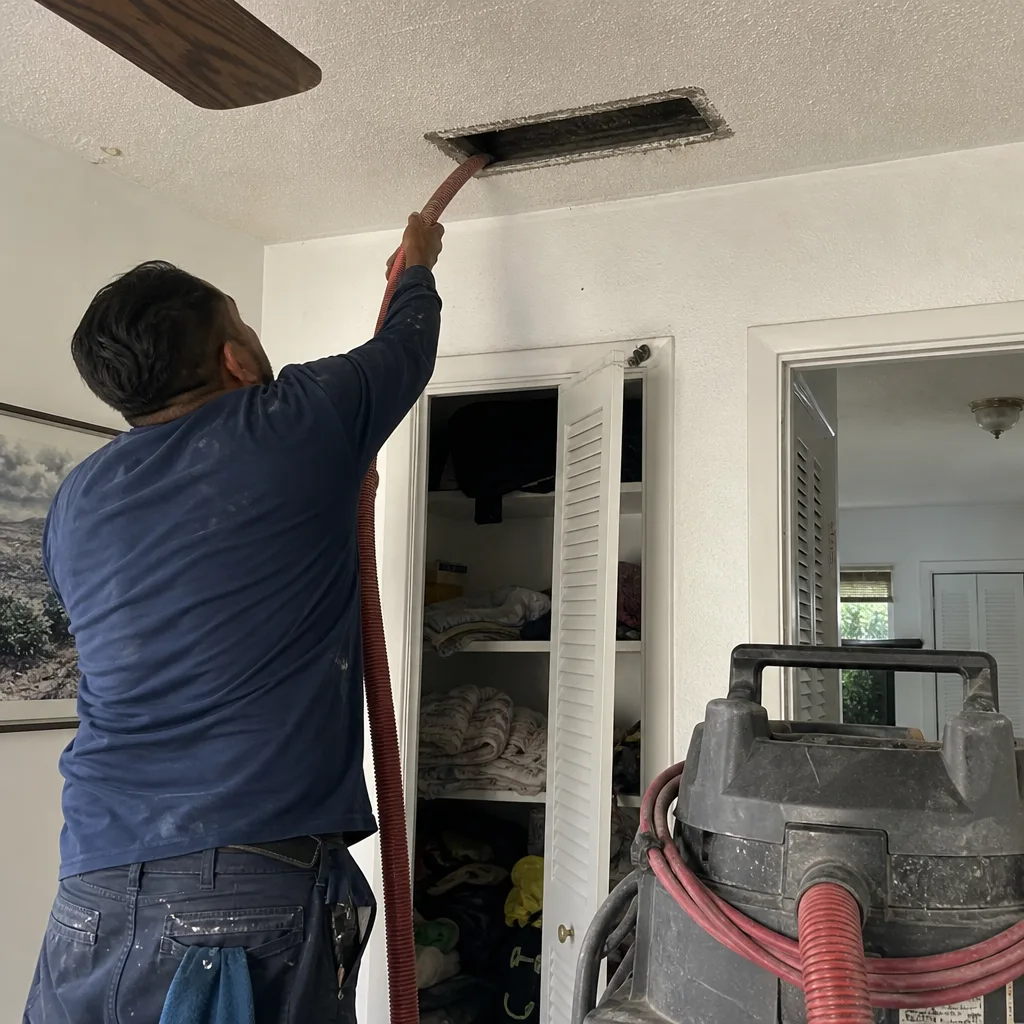
 Whole-home duct cleaning
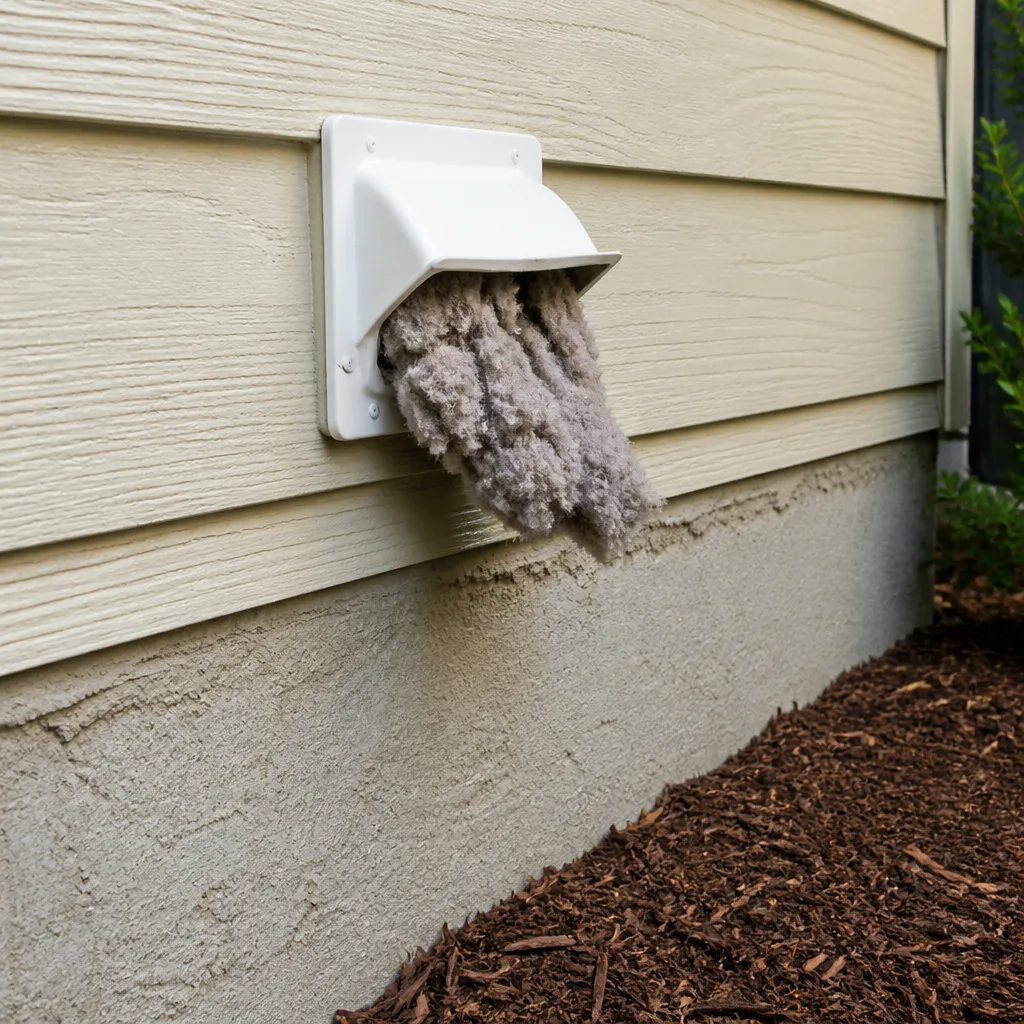 Dryer vent cleaning
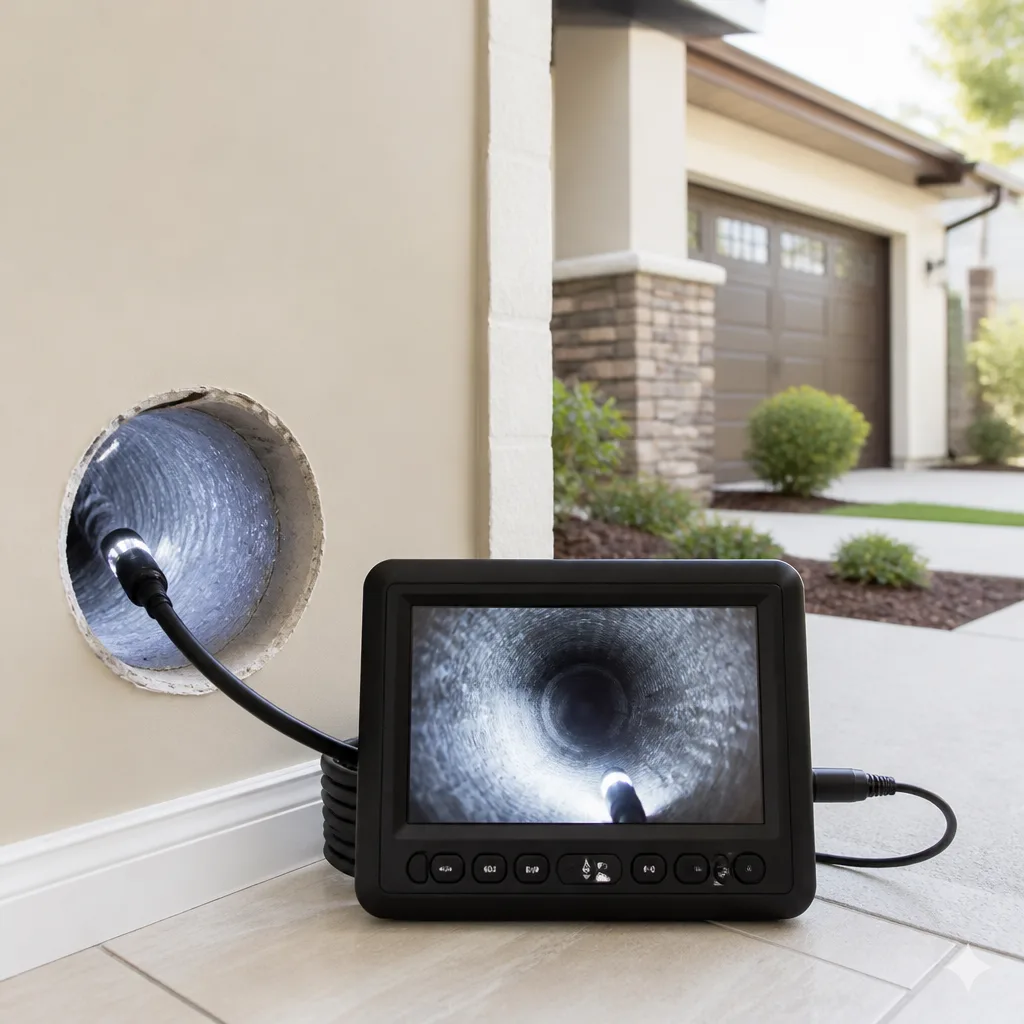 Camera inspection
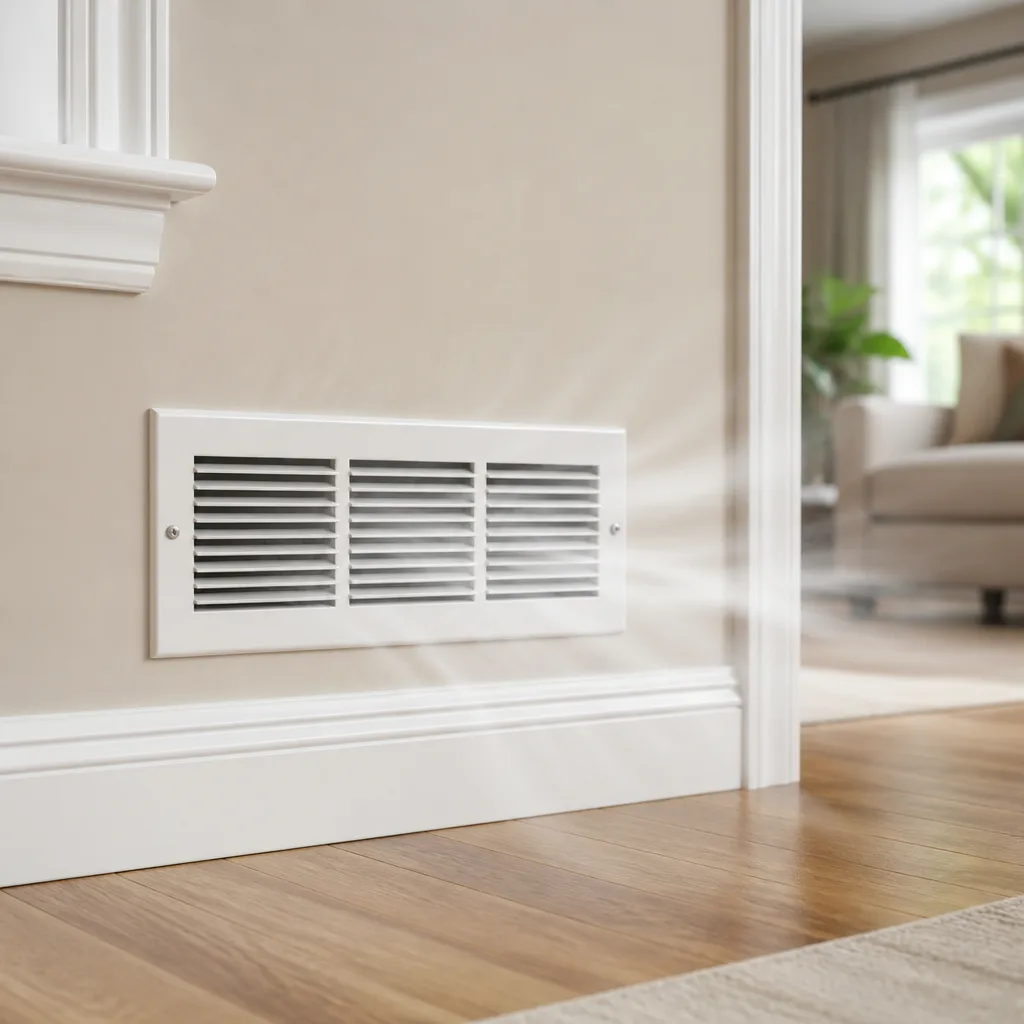 Sanitizing & deodorizing
Whole-system duct and dryer vent check with before-and-after photos - you see exactly what came out of your vents
That "$99 whole-house special" is a bait ad - the real number appears once they are in your hallway, or the "clean" is a shop-vac at the register. We photograph the inside of your ducts before and after instead.
Air Duct Cleaning Warning Signs: A Hollywood Homeowner’s Reference Guide
The signs that your ducts need attention are not a single tidy symptom you can check off a list. They’re a vocabulary, and most homeowners read them wrong. A musty smell from your vents could mean surface mold on a dirty evaporator coil, active microbial growth inside the ductwork, or a dead animal in the system – three problems with very different solutions and very different costs. In Hollywood’s warm, humid climate, the same visible symptom can point to a cracked duct, a delaminated liner, or a simple clogged filter. This guide teaches you to read each sign diagnostically, the way a technician does, so you understand what it indicates, which problems cleaning will solve, and which ones require repair before any cleaning can help.
Quick Answer
The main air duct cleaning warning signs are visible dust blowing from registers, inconsistent airflow between rooms, musty or stale odors when the system runs, visible debris or pest activity around vents, and rising dust in the house. In Hollywood, warning signs often include humidity-driven problems such as delaminated flex duct liners, pest infiltration, and mold growth on duct surfaces. Some of these call for cleaning; others point to an air duct repair problem that cleaning alone won’t fix.
Styles & brands we work with
- Whole-home duct cleaning
- Dryer vent cleaning
- Camera inspection
- Sanitizing & deodorizing
Table of Contents
- What Different Symptoms Actually Mean
- Reading Odors: Mold, Pests, and Dead Air
- What Airflow Patterns Tell You About Duct Condition
- Warning Signs Specific to Hollywood Homes
- Cleaning vs. Repair: Which Sign Points Where
- How to Inspect Your Own Registers Before You Call
- Dryer Vent Warning Signs: A Separate and Urgent Category
- What Duct Cleaning Costs in Hollywood
What Different Symptoms Actually Mean
A warning sign is a symptom, not a diagnosis. Dust at a supply register can come from the ducts, from a dirty air handler, from a filter that hasn’t been changed, or from house dust recirculating because of poor airflow balancing. Before you schedule anything, the useful question is not “is this a duct problem?” but “which part of the system is producing this?”
Here’s a diagnostic map of the most common symptoms and the mechanical causes behind them:
- Dust streaks around register grilles: often static-charged dust clinging to the metal edge, which can indicate an airflow imbalance pulling dust from a nearby return.
- Black dust on the register face: could be carbon or oily particulate from a poorly sealed motor or filter, not duct debris.
- Constant “dusty house” despite cleaning: frequently a duct-surface issue, where years of settled dust on the duct walls gets stirred and pushed into rooms every time the blower runs.
- Whistling or hissing at a register: airflow restricted somewhere upstream, often a closed damper, a collapsed flex duct, or a filter that hasn’t been changed.
- Weak airflow from one or two registers only: can indicate a leak, a disconnected joint, or a crushed duct run, which is a repair issue rather than a cleaning issue.
- Short cycling on the thermostat: often pressure-related – duct restriction or leakage that makes the blower work harder than it should.
You’ll notice that almost none of these point cleanly to “cleaning required.” That’s the first mental adjustment. Symptom-to-cause mapping is what separates informed calls from panic calls, and it’s why a register-level check before you schedule an estimate saves you time and money.
Reading Odors: Mold, Pests, and Dead Air
Odor is the most diagnostically rich signal a duct system gives you, and also the most misread. A musty smell in the ductwork can point to several distinct mechanisms, and the correct response depends entirely on which one it is.
Musty, damp, or earthy smell
This is often surface mold on a dirty evaporator coil, microbial growth on duct surfaces, or simply standing moisture somewhere in the air handler cabinet. In Hollywood’s humid air, a slightly oversized system that runs short cycles leaves more moisture in the evaporator and ductwork than one running long, steady cycles. That moisture is the raw material for microbial growth. Cleaning the ductwork and treating the system is the correct response once the moisture source is addressed.
Sweet, gassy, or chemical smell
Don’t try to interpret this one yourself – a sweet or chemical smell in HVAC can indicate a refrigerant leak or a combustion byproduct. Shut the system off and call a licensed HVAC professional, because these are outside our scope and genuinely urgent.
Dead-animal smell
Sharp, rotting, one-spot-strong, often accompanied by flies near a register. This means pest intrusion into a duct run. It’s a removal problem, not a cleaning problem, and it’s more common in South Florida than most homeowners expect. Squirrels, roof rats, and raccoons get into attics and loose duct connections more often than people realize.
Stale or “dirty blower” smell
Faint, always present, worse when the fan first comes on. This is usually accumulated dust on the blower wheel and evaporator coil, which cleaning can resolve if the source is inside the air handler cabinet.
Notice that only two of these four categories are cleaning problems. Getting this right the first time is why the technician’s job starts with diagnosis, not a shop vac.
What Airflow Patterns Tell You About Duct Condition
Airflow is where a duct problem often becomes measurable. A system that was balanced when it was installed can be badly out of balance years later, and the pattern of the imbalance tells you a lot.
Here’s the practical check: run the fan on its normal setting and hold your hand a few inches from each register for 10-15 seconds. Note which ones feel strong, which feel weak, and which have a noticeable whine or buffet.
- One or two rooms weak, the rest fine. Likely a local restriction: a closed or failed damper, a collapsed flex run, a crushed trunk, or a disconnected joint behind a wall. This is typically a repair issue.
- Every register weak, system short-cycling. Often overall static pressure problems: a dirty filter, an undersized return, or many small leaks bleeding pressure before air reaches the rooms. Cleaning and repair may both be needed.
- Whistling at one register. Restricted air at that point, either a partially closed damper or debris blocking the boot.
- Whole house weak, system running constantly. Could be a failing blower, an oversized duct system, or duct leakage large enough to matter. Diagnosis first.
Understanding the pattern matters because duct repair and duct cleaning solve different problems, and a homeowner who calls with a clear pattern (“three bedrooms weak, rest fine”) gets a faster, more accurate estimate than one who calls with “something’s wrong.”
For a full walkthrough of the cleaning process itself, our air duct cleaning page covers what a job actually involves, from register-level access to the equipment used inside the ductwork.
Warning Signs Specific to Hollywood Homes
Hollywood sits in a sub-tropical climate with high year-round humidity, and that produces a set of duct problems that inland and northern homeowners simply don’t see. A missed sign here often has a longer, slower consequence than it would elsewhere. Here are the ones we see most often in Hollywood:
- Humidity-driven liner delamination. The inner lining of flex duct doesn’t last forever. Years of humid air, temperature swings between a hot attic and a cold duct, and slightly oversized systems can cause the inner liner to peel away from the outer jacket. Once it separates, the liner can collapse and choke airflow, and insulation fragments can end up in the airstream. A homeowner will notice this as weak airflow or fibers at a register, not as a “duct problem.”
- Pest infiltration. South Florida’s combination of heat, tree canopy, and year-round insect and rodent activity makes loose duct connections and attic penetrations an easy entry. Signs include droppings near a register, gnawing marks at boot edges, or a musty dead-animal smell that concentrates in one room.
- Microbial growth at the evaporator. Very high indoor humidity plus a short-cycling system produces condensation on the coil that never fully dries, which is why Hollywood homeowners often report a musty smell at start-up. It’s a moisture problem first and a cleaning problem second.
- Mold-looking staining near the air handler. Not always mold, but often a sign of long-term condensation issues that have reached the duct connection or plenum.
- Post-storm intrusion. After heavy rain events, water damage around the air handler closet or an attic access point can introduce both moisture and debris into the duct system.
If you own or manage property in Hollywood and any of these sound familiar, an inspection before you schedule cleaning is the right first move – cleaning a system with a delaminated liner or a pest problem can make the underlying issue worse.
Cleaning vs. Repair: Which Sign Points Where
The single most useful distinction in this guide is between signs that cleaning will resolve and signs that indicate repair is needed first. If you skip this step, you can pay for cleaning twice.
Signs that cleaning will likely solve
- Gradual dust accumulation across the whole house, worst in rooms closest to the air handler
- Mild musty smell that goes away after the system has run a few minutes
- Visible dust on register grilles that returns within weeks of cleaning the grilles themselves
- No measured airflow problems, just visible or smelling problems
Signs that point to repair before cleaning
- One zone weak while others are fine, especially if it started suddenly
- Visible sagging or collapsed flex duct in the attic
- Whistling or buzzing at a fixed point in the system
- Whiffs of attic air or outside air in the supply, which means a broken joint or disconnected run
- Insulation fibers or debris consistently visible at a register
When you fix the structural issue first, cleaning produces the result you expected. When you clean first and there’s still a collapsed run or a broken joint, the cleaning will “not work,” and you’ll spend time wondering why. Duct repair is a stand-alone service precisely because cleaning alone cannot fix a compromised duct system – the Hollywood Duct Cleaning approach is to diagnose first and offer the repair or cleaning that the system actually needs.
How to Inspect Your Own Registers Before You Call
You can do a surprisingly useful inspection with a flashlight and your phone camera in about ten minutes, without opening anything that requires tools. This is a diagnostic habit, not a DIY repair guide – for anything involving mechanical disassembly, call a professional.
- Photograph every register, clean. Wipe one register grille clean with a dry cloth, then use it as your “reference register” to compare against the others. Dust returning to the clean one within two weeks is a useful data point.
- Shine a flashlight into one supply register after turning the system off. Look for visible debris, dark stains that could be moisture, or fibers from a disintegrated liner. Photograph what you see.
- Use your phone camera with the flash to photograph up into the boot of a floor register or behind a wall grille where you can’t see with your eye. This is where pest evidence and liner separation usually show up first.
- Run your hand across each register and note the strength, 1 to 5, in a quick list on paper. Patterns are more useful than any single reading.
- Sniff near each return after the system has been running 5 minutes. Mustiness at one return narrows the problem to whatever feeds it.
- Check the filter and photograph it before and after changing it. A filter that clogs in a month is telling you something different than one that lasts a normal interval.
Bring your photos, your airflow notes, and your smell notes to the estimate call. Any technician worth hiring will use them. Our technicians have up to 14 years of experience, and they’ll cross-check your notes against what the equipment shows on site.
Dryer Vent Warning Signs: A Separate and Urgent Category
Dryer vent obstruction is often confused with an HVAC duct problem because both involve a duct and both involve airflow, but it’s a distinct category with its own warning signs and its own safety stakes. A blocked dryer vent is a documented fire risk, not a convenience issue.
Here are the warning signs that point specifically to the dryer vent:
- Clothes take two cycles to dry when they used to take one. This is often the earliest sign of lint accumulation in the vent run.
- The dryer cabinet or the top of the dryer gets unusually hot during a cycle.
- A burning smell during drying. Stop using the dryer and have the vent checked.
- The exterior vent flap doesn’t open fully or doesn’t move at all when the dryer runs.
- Lint visible around the outside vent hood or scattered on the ground near the exterior wall.
- Excess moisture in the laundry room – fogged windows or condensation on the walls after a cycle.
In Hollywood, where dryers run year-round and lint accumulates quickly, dryer vent cleaning is a genuinely different service from air duct cleaning and uses different equipment and access points. Our dryer vent cleaning page explains the difference in detail if you’re unsure which issue you’re looking at. When the smell or the heat is strong, don’t run the dryer again until it’s inspected.
What Duct Cleaning Costs in Hollywood
Air duct cleaning in Hollywood is typically priced per system, not per vent. Most homes fall into a whole-system estimate range depending on the number of runs, the amount of debris, and whether mold treatment or repair is also needed.
- Standard whole-home air duct cleaning, one HVAC system: usually estimated in the range typical for a South Florida single-family home
- Second system or additional zone: a separate system estimate, since it’s a separate job
- Dryer vent cleaning: quoted as a separate line item from air duct cleaning
- Air duct repair (structural): estimated per issue after diagnosis – collapsed runs, disconnected joints, liner replacement
- Mold treatment and sanitation work (when microbial growth is present): a separate estimate on top of cleaning
Any company that quotes you a low per-vent coupon price and then adds charges on site is following a pattern you should not reward. Ask for one flat price per system, agreed before work starts. Ask whether before-and-after photos of your own ducts are provided as part of the job. And ask which equipment the company brings, because that answer matters more than the price: a shop vac and a wand is not the same service as proper equipment, and it doesn’t clean the way professional equipment does. If you’d like a straightforward picture of what a fair estimate looks like for your Hollywood home, call for a free estimate.
See air duct cleaning for a fuller picture of what a Hollywood job involves.
Common Mistakes to Avoid
- Choosing the cheapest per-vent quote. A per-vent price usually buys a vacuum pass at the opening, not contact cleaning of the duct walls. You’ll get “cleaned” ducts that look and smell the same in two months. Ask what equipment is used before you compare prices.
- Skipping the diagnosis step. Calling for cleaning when the actual problem is a collapsed flex run or a pest intrusion means paying for cleaning that can’t help. Bring your register photos and airflow notes to the estimate.
- Cleaning before fixing moisture. In Hollywood humidity, cleaning ductwork without addressing a wet evaporator coil or an oversized short-cycling system is a short-term fix. Moisture returns and the growth returns with it.
- Ignoring the dryer vent. The dryer vent is the highest-stakes duct in the house and the easiest to overlook. If clothes are taking two cycles, don’t wait for the next HVAC estimate – address the dryer vent directly.
- Assuming musty smell equals mold. It could be mold, it could be a dead animal, it could be a dirty blower wheel. The response is different for each. Don’t assume, and don’t let a salesperson assume either.
- Accepting “cleaning” when repair is what’s needed. If your technician says the duct is fine but the room is still cold, get a second opinion that includes an inspection of the duct run behind the wall.
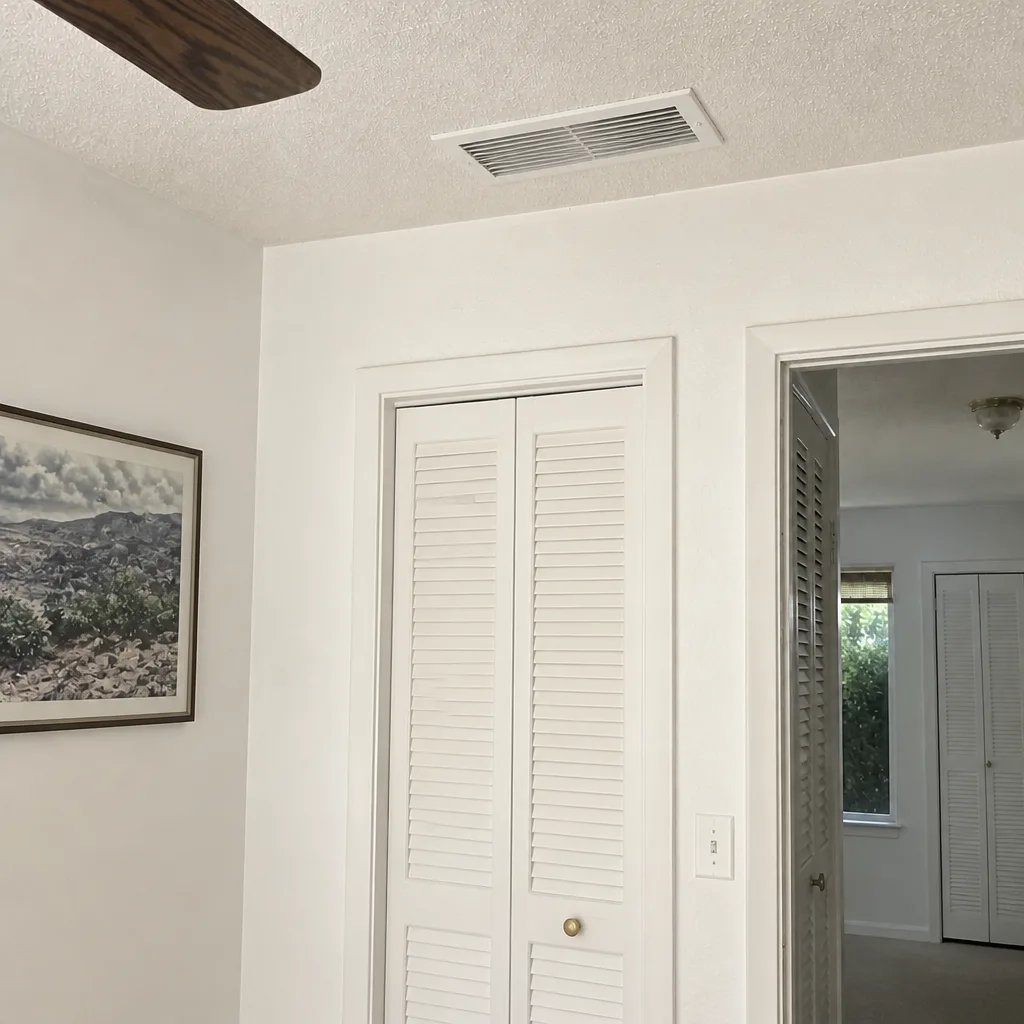
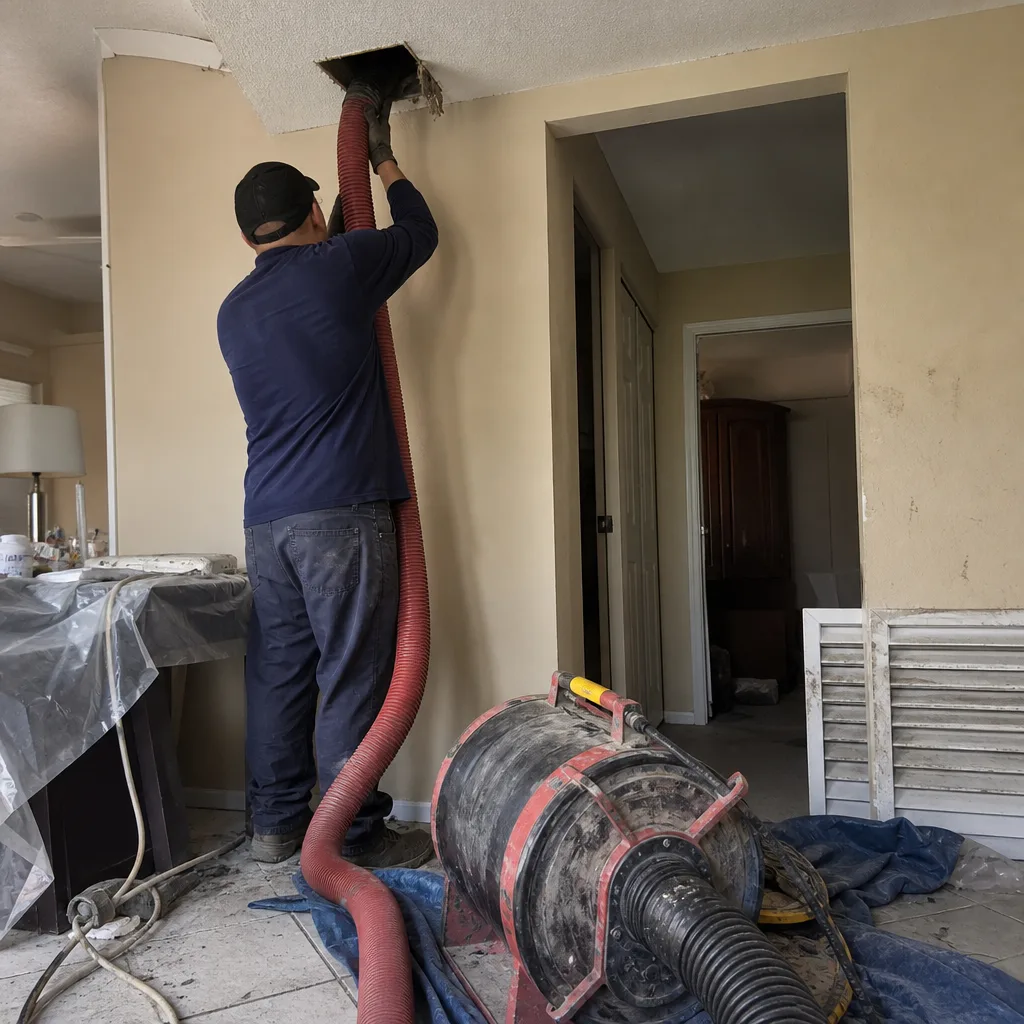
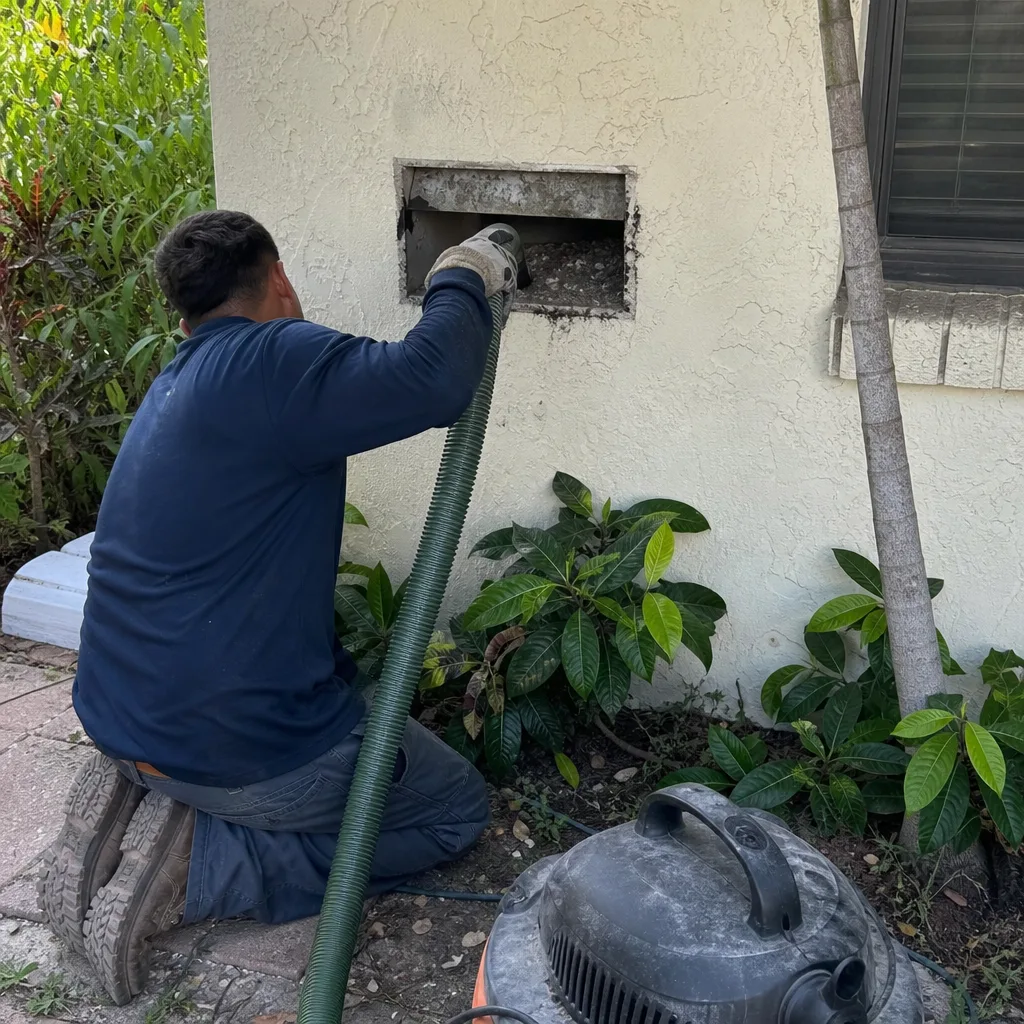
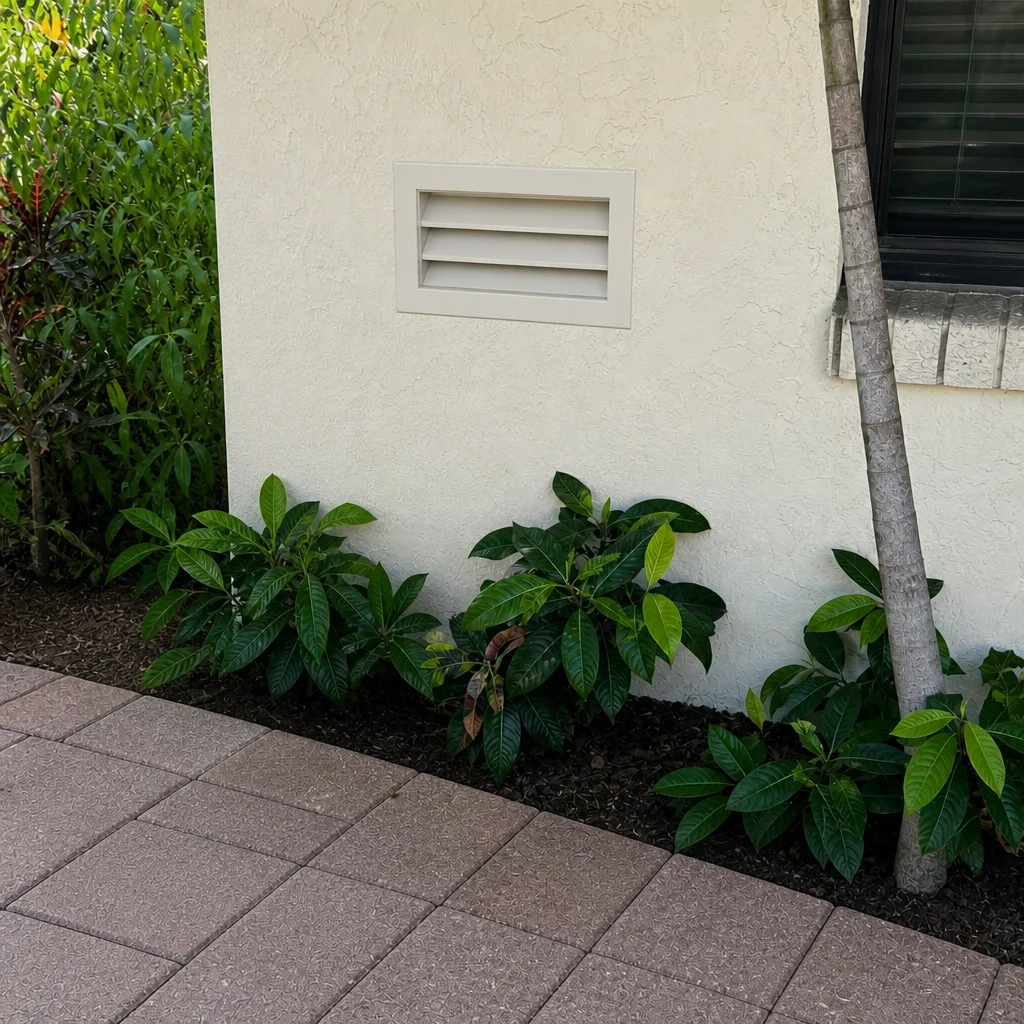
- Forgetting to ask for before-and-after photos. It’s the only way to know the work was done inside the ductwork and not just at the register. A professional company photographs its own work.
See the difference
 Before
 After
 Before
 After
 Before
 After
When to Call a Professional
Call a professional when you see visible dust returning to a clean register inside two weeks, when a musty or dead-animal smell is consistent and located, when one room’s airflow is significantly weaker than the rest, when dryer clothes are taking longer than usual, or when your register photos show debris, liner fibers, or pest evidence. Also call if you’ve moved into a home and don’t know when the ducts were last serviced, if a recent inspection flagged duct issues, or if a family member’s allergy symptoms have gotten worse inside the home with no other obvious cause. Hollywood Duct Cleaning offers free estimates in Hollywood – call (866) 361-9843. The estimate is set per job, in writing, before any work starts.
Frequently Asked Questions
The most reliable early sign is dust returning to a register you recently cleaned, usually within two weeks. That pattern points to dust being pushed out of the ductwork itself rather than settled from the room. A mild musty smell at start-up that goes away after a few minutes is a close second. If either pattern is consistent, an estimate is worth the call.
The pattern of the symptom tells you. Whole-house dust and a general musty smell point to cleaning. A single weak room, whistling at one register, or visible sagging flex duct in the attic points to repair. A proper inspection separates the two, and doing repair first often changes what cleaning can actually accomplish.
No. A musty smell can come from surface mold on a dirty evaporator coil, active microbial growth inside the ductwork, a dirty blower wheel, or a dead animal in the system. The correct response differs for each, which is why we don’t treat every musty smell as a mold problem. An inspection before cleaning is the right first step.
For most Hollywood homes, every three to five years is a reasonable expectation, but the honest answer is that it depends on the home. A household with pets, recent renovations, pest history, or visible dust returning quickly may need service sooner. Homes that have been well sealed and well filtered often go longer. The signs, not the calendar, should drive the decision.
Because they’re often quoting a different service at a different equipment tier. A low per-vent quote usually covers a vacuum pass at the register opening, not contact cleaning of the duct walls. Professionals use equipment like the Rotobrush contact-cleaning system to physically agitate and scrub debris from duct surfaces, and Nikro extraction equipment to hold negative pressure so dislodged material doesn’t recirculate into the air. That’s why we quote one flat price per system rather than a per-vent teaser figure.
Ask for before-and-after photos of your own ductwork, not stock photos. A professional company photographs what it finds and what it leaves behind. Want to see what that looks like for a Hollywood home? Call (866) 361-9843 for a free estimate. We answer 24/7, and fast dispatch runs from 7am to 7pm, Sunday through Friday.
The Bottom Line
The warning signs in this guide are not a checklist – they’re a diagnostic language. Dust at a register, uneven airflow, and different kinds of odor each point to specific causes, and the right response varies from simple cleaning to structural repair to a dryer-vent-specific visit. Hollywood’s humidity, pest pressure, and long cooling season make certain signs more likely here than elsewhere: liner delamination, moisture-driven growth, pest intrusion. When you read the signs before you call, you get a more accurate estimate and a service that actually solves the problem. That’s the approach we take on every job: diagnose first, then clean or repair with the equipment the job needs.
Contact
If any of the warning signs in this guide sound familiar, or if you’re simply not sure what you’re looking at, call Hollywood Duct Cleaning for a free estimate. We’ll help you sort a cleaning problem from a repair problem from a dryer vent problem, and we’ll quote one flat price per system, in writing, before any work starts. Our technicians have up to 14 years of experience, and our equipment is professional grade – Rotobrush for contact cleaning, Nikro for negative-pressure extraction, and Abatement Technologies for air safety – and we service filtration and air treatment products from Honeywell, Aprilaire, and Guardsman systems as part of a complete indoor air solution. Call (866) 361-9843. We answer 24/7. Fast dispatch from 7am to 7pm, Sunday through Friday.
Written by the team at Hollywood Duct Cleaning.