
Last updated November 15, 2026
 Whole-home duct cleaning
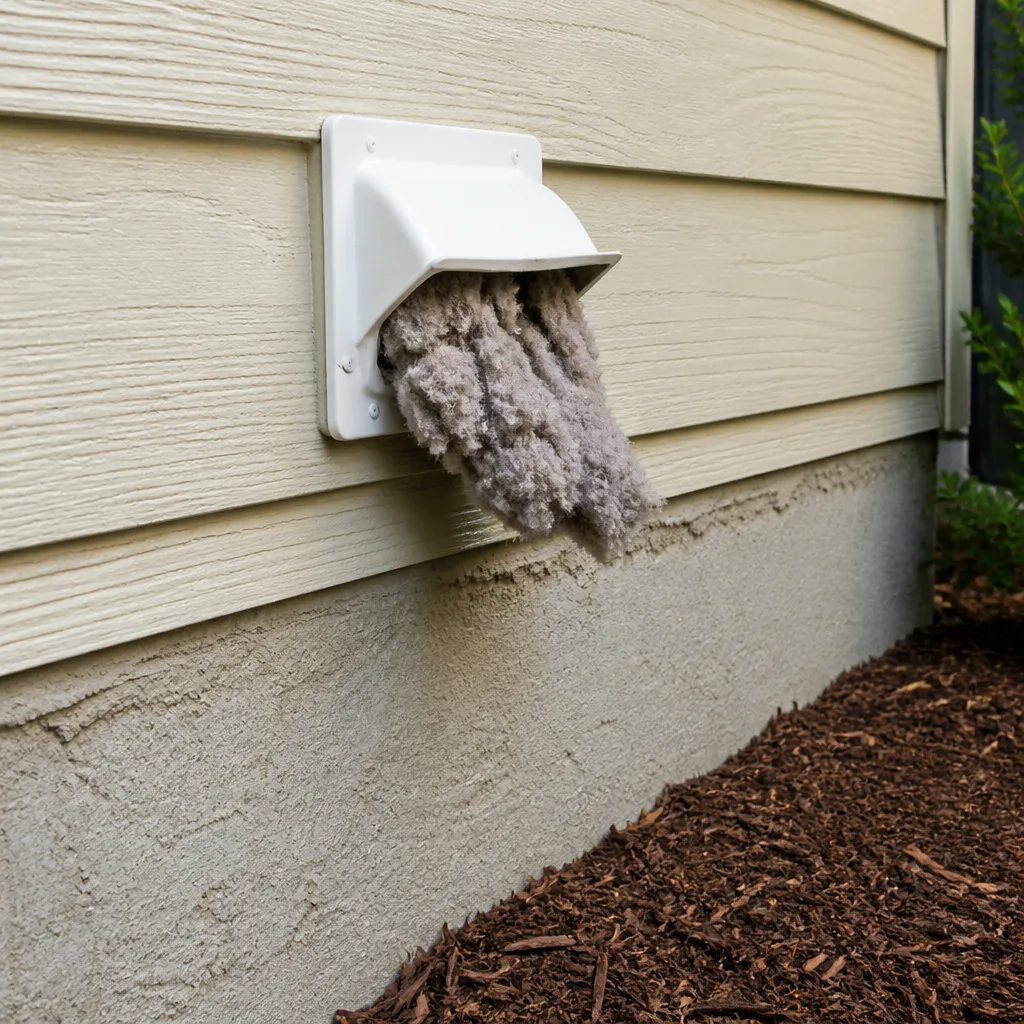 Dryer vent cleaning
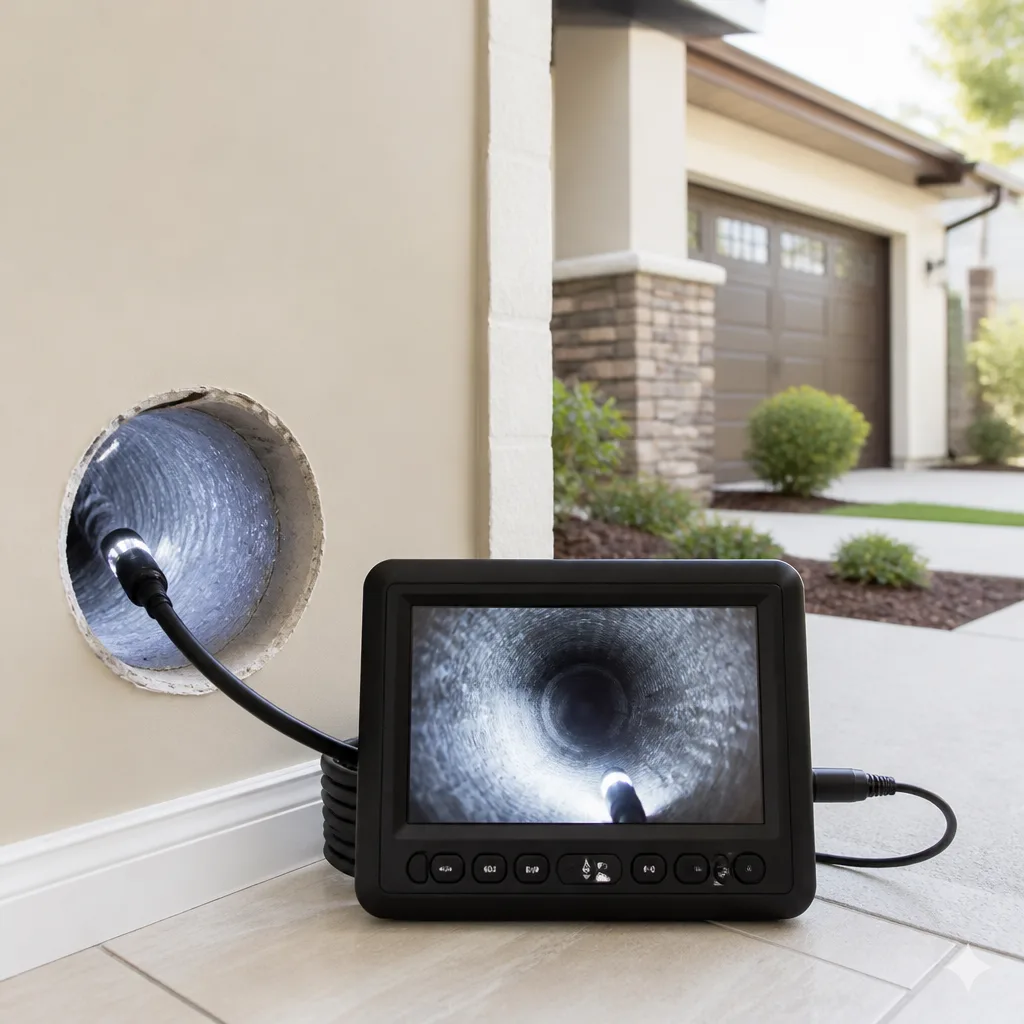 Camera inspection
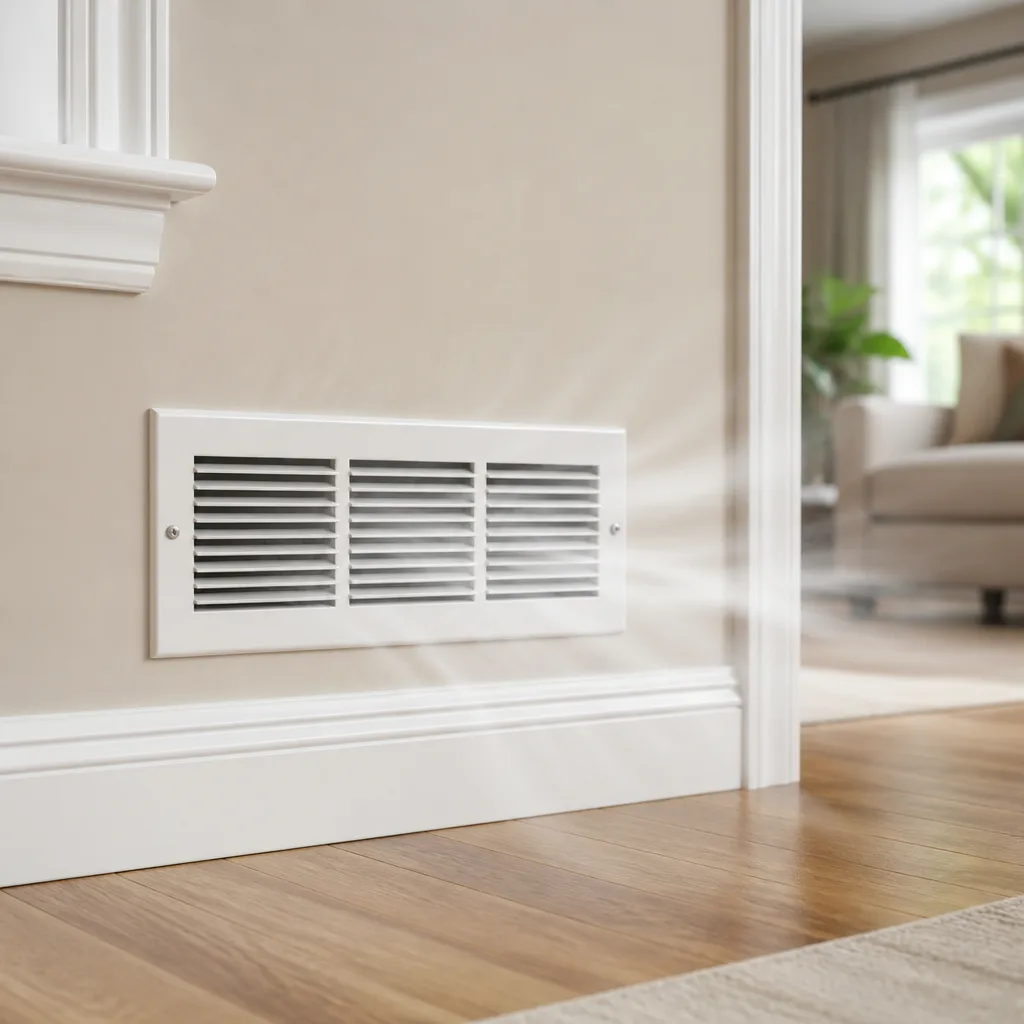 Sanitizing & deodorizing
Whole-system duct and dryer vent check with before-and-after photos - you see exactly what came out of your vents
That "$99 whole-house special" is a bait ad - the real number appears once they are in your hallway, or the "clean" is a shop-vac at the register. We photograph the inside of your ducts before and after instead.
The Complete Guide to Air Duct Cleaning in Hollywood
Most air duct cleaning guides were written with dry climates in mind, where dust stays loose and a strong vacuum pulls it away. Hollywood doesn’t work like that. Humidity here sits high most of the year, and that changes what collects inside a duct: dust binds to moisture on the metal, settles into a damp, compacted layer, and clings to the walls instead of drifting toward the register. A vacuum alone often can’t move it. This guide covers how South Florida moisture shapes the debris in your system, how each type of duct found in Hollywood homes is actually cleaned, and what a finished job should prove before you pay. If you’ve had a quote that felt vague, this is the page to read before you book.
Quick Answer
Air duct cleaning in Hollywood, FL is the process of physically agitating and extracting built-up debris from every interior surface of your ductwork, then verifying the result. Because year-round humidity compacts dust onto duct walls, effective cleaning here requires contact methods like the Rotobrush rotary brush system paired with negative-pressure extraction, not a vacuum passed through the register opening. A credible job ends with documented before-and-after evidence of your own ducts.
Styles & brands we work with
- Whole-home duct cleaning
- Dryer vent cleaning
- Camera inspection
- Sanitizing & deodorizing
Table of Contents
- Why Hollywood’s Humidity Changes What’s Inside Your Ducts
- Contact Cleaning vs. Vacuum-Only: What Actually Works
- Duct Construction in Hollywood Homes and How Each Type Is Cleaned
- What a Full Air Duct Cleaning Job Involves, Step by Step
- How to Verify the Work Was Actually Done
- When Cleaning Isn’t Enough: Duct Repair and Sealing
- What Air Duct Cleaning Costs in Hollywood
- Filtration, Air Treatment, and Protecting the System After Cleaning
Why Hollywood’s Humidity Changes What’s Inside Your Ducts
In a dry climate, dust inside a duct stays powdery. It gathers in the low spots and pulls free easily when air moves. Hollywood is not a dry climate. Indoor humidity here commonly runs well above what HVAC systems in arid states ever deal with, and that moisture lands on the cool interior surfaces of your supply ducts while the system runs. Dust sticks to that film. Over time it builds into a layer that’s dark, damp, and physically bonded to the duct wall. You can blow air past it all day and it won’t come loose.
That compacted layer is what makes generic duct cleaning so ineffective in South Florida. A technician who runs a vacuum hose into the register and pulls for twenty minutes is treating a dry-climate problem: loose surface dust. The material actually sitting in Hollywood ducts needs to be broken free before it can be captured. That’s the difference between cleaning the air inside the duct and cleaning the duct.
Two more local factors compound the problem:
- Cooling runs long. Air conditioning in Hollywood operates most of the year, so supply ducts stay cold and condensation-friendly far more hours than in a region with a real heating season. More wet hours means more adhesion.
- Return-side debris is heavier. Whatever the return pulls from living space – pet hair, lint, cooking residue – arrives at the air handler with moisture already in it. Return plenums and the air handler cabinet are where compacted material builds first, and where a cleaning that skips those areas leaves the worst of it untouched.
If you’ve noticed musty odors when the system starts, visible dust streaking at supply registers, or a filter that clogs faster than it used to, those are signs the interior surfaces need more than a filter change. Our technicians have up to 14 years of experience reading exactly these patterns in South Florida homes.
Contact Cleaning vs. Vacuum-Only: What Actually Works
There are two broad ways to clean a duct system, and the difference matters more in Hollywood than almost anywhere else.
Negative-air vacuuming places a large vacuum at one point in the system and pulls air through the ductwork toward it. Done well, with the supply registers sealed and containment established, it captures a lot of loose debris. It’s a necessary part of any proper job. But it is a capture method, not an agitation method. It removes what’s already free. It does not scrub the walls.
Contact cleaning uses a mechanical tool – the Rotobrush system being the benchmark – that physically enters the duct and brushes the interior surfaces while extraction runs. The rotary brush spins against the duct wall, breaking the compacted layer loose so the vacuum can capture it. This is the method that actually addresses the damp, bonded debris Hollywood’s humidity produces.
In our experience, the right sequence is both, in order:
- Set up containment and negative pressure at the air handler so dislodged material can’t escape into living space. We use Nikro professional extraction equipment for this stage, which keeps the system under constant negative pressure while we work.
- Open access points at the trunk and at each branch run, sealing supply registers.
- Run the rotary brush through each run, working from the farthest point back toward the extraction source.
- Brush and vacuum the plenum, the air handler cabinet, and the return side, which are the areas most often skipped and most likely to hold compacted material.
- Seal access points cleanly and verify with camera inspection.
One more piece of equipment separates a remediation-grade job from a routine one: air-quality control. Abatement Technologies air-quality equipment brings the same filtration standard used in professional indoor air quality work, which matters when a cleaning is kicking up fine particulate inside an occupied home. Ask any company what they use for containment. If the answer is a shop vacuum and a plastic sheet, the compacted debris in your ductwork is not going to come out.
For a closer look at how we handle the cleaning itself, see our air duct cleaning service page.
Duct Construction in Hollywood Homes and How Each Type Is Cleaned
Hollywood’s housing stock spans decades, and the duct systems in those homes vary widely. What’s inside the walls or above the ceiling determines how a cleaning has to be run, and any company quoting a flat method without looking is guessing.
Flexible duct (flex)
The most common duct type in newer and retrofit residential systems, including slab-on-grade homes where routing above the ceiling or through a chase was the practical option. Flex duct has a corrugated inner liner, and that ribbing traps material in every groove. It’s also fragile: an aggressive brush at the wrong speed or a tool run against the liner can tear it. Contact cleaning on flex requires controlled brush speed and careful technique. Any liner damage found during cleaning is exactly the kind of thing that turns a cleaning appointment into a repair conversation – and it’s better to know than to have it hidden.
Sheet metal duct
Older Hollywood homes often have rigid galvanized metal trunk and branch runs. Metal is durable and holds up well to rotary brushing, which is one reason it cleans up so effectively. It also has the most moisture exposure on the supply side, which means the compacted layer on metal can be dense. Metal ducts in coastal Hollywood neighborhoods deserve a close look during cleaning for corrosion – more on that below.
Fiberboard duct
Some older systems use fiberglass duct board, where the interior surface is itself porous. This material cannot be brushed the way metal can, and moisture that gets into the board is difficult to remove. Cleaning fiberboard requires lower-agitation methods and careful assessment. If a duct board section is saturated or deteriorating, cleaning won’t restore it; that section needs replacing, which is where duct repair comes in.
One more local reality affects every duct type: coastal Hollywood sits close enough to the Atlantic that salt-laden air reaches the outdoor condenser and, through the system’s air path, the metal components inside the home. On metal ductwork, that shows up as surface oxidation and pitting, especially on seams and near joints. During cleaning, we inspect for it. Light surface oxidation is normal in this climate. Advanced pitting or rust that’s compromised the duct wall means cleaning alone won’t fix the problem.
What a Full Air Duct Cleaning Job Involves, Step by Step
A complete cleaning in a Hollywood home takes several hours and follows a defined sequence. Here’s what a proper job looks like from start to finish, so you can compare it against whatever a company tells you.
- Inspection before anything is touched. The technician maps the system, identifies duct type at each run, checks for existing damage, and documents conditions with photos. Pre-existing damage documented now prevents disputes later.
- Protect the living space. Floor protection, corner guards, and containment at the air handler. Fine particulate is the thing you don’t want settling on your furniture.
- Establish negative pressure. Nikro extraction equipment is connected to create a sealed negative-pressure environment, so debris dislodged during cleaning is captured, not recirculated.
- Brush each run. The Rotobrush rotary brush works the full length of each branch and trunk section, breaking compacted material from the walls.
- Clean the air handler, plenum, and returns. The areas most commonly missed and most commonly loaded with heavy debris. A cleaning that skips these isn’t complete, no matter what’s on the invoice.
- Reinspect with camera. Before-and-after photos and video of the interior of the ducts. This is your proof, not the technician’s assurances.
- Seal access points. Every hole cut for access is sealed properly so the system is tighter, not leakier, than when we arrived.
Do not accept a job that skips steps 1, 2, and 6. Those three steps are the difference between a real cleaning and a hose run through the register. The Hollywood duct cleaning approach we take runs the full sequence on every system, from the air handler to the last supply register.
If you also need the dryer vent addressed – a separate and genuinely important safety item in any home – that’s handled as its own job. See our dryer vent cleaning page for what it involves and why it’s a fire concern rather than a convenience upgrade.
How to Verify the Work Was Actually Done
The single most common frustration homeowners bring up about this trade is the feeling, afterward, that they can’t tell whether anything happened. That’s a fair complaint, and it’s answerable. Verification is not a bonus feature. It’s part of the job, and here’s what it should look like.
Before-and-after photos of your own ducts
Not stock photos. Not a generalized brochure. Images and video taken inside your ductwork at the trunk, at several branch runs, and at the air handler, showing interior surfaces before cleaning and after. If a company won’t or can’t produce those, treat that as the answer to your question.
Camera inspection at the finish
A borescope run into each branch confirms what the photos show. Ask to see the live inspection if you’re home during the job.
Access point seals you can see
A real cleaning involves cutting access points to reach the trunk and branches. Walk the house afterward and confirm every one was sealed correctly – flush, neat, and air-tight. Unsealed or poorly sealed access points leak air and undo part of the point of the job.
A written flat price per system
Package pricing by the whole system, agreed before work starts, is the structure that protects you from the bait-and-switch pattern – a low advertised price that grows once the technician is inside. Per-vent pricing is the structure that enables it. If the final cost depends on how many vents the technician counts once they’re already in your home, ask why.
What you should not get
- A “cleaning” that consists of a vacuum hose at the register for a few minutes.
- Filters sold as the cleaning. A filter is a filter.
- An upsell to additional services mid-job with no findings to justify it.
- No documentation of any kind.
When Cleaning Isn’t Enough: Duct Repair and Sealing
Cleaning resolves contamination. It does not resolve structural problems, and Hollywood homes produce plenty of those. Duct repair is a distinct service, and the two are not interchangeable.
What cleaning alone cannot fix:
- Disconnected or separated joints. Flex duct connections at boots and trunks work loose over time. A disconnected run dumps conditioned air into a wall cavity or attic – which is a comfort problem, an efficiency problem, and in humid climates a moisture problem, since that cool air condenses on warm surfaces.
- Torn or crushed flex duct. Crushed runs restrict flow to part of the house. Torn liner releases fibers into the airstream.
- Rust-through on metal duct. In coastal Hollywood neighborhoods, corrosion that’s eaten through a duct wall needs a physical fix, not a cleaning pass.
- Deteriorated fiberboard. Saturated or crumbling duct board cannot be cleaned back to serviceable condition.
- Leaky trunk and plenum connections. Loose seams at the air handler and along the trunk leak air everywhere. Sealed correctly, the system moves more conditioned air with less runtime.
This is why we treat duct repair as a standalone service rather than something tacked onto a cleaning. When we find an issue during a cleaning, the documentation shows it and you get a clear picture of what needs doing, separately and honestly. If the system only needs cleaning, we say so. If a section has failed structurally, no amount of brushing will restore it.
If you’ve had an inspection flag duct issues, bought a home recently, or you’re noticing rooms that never seem to get comfortable, duct repair is often the actual fix. We cover this service across Hollywood and the surrounding area.
What Air Duct Cleaning Costs in Hollywood
Air duct cleaning pricing should be structured by the whole system, not per vent, because that’s how the work is performed. Per-vent pricing looks convenient and is the mechanism behind most of the pricing complaints in this trade. The honest way to state pricing is as a typical range for a whole-home system, with the written estimate setting the final price for your specific system.
Typical estimated ranges for residential air duct cleaning in the Hollywood area:
- Standard single-system home (one air handler, typical number of supply and return runs): estimate by the whole system, quoted in writing before work starts.
- Larger or multi-zone homes (two systems, or a large single system with extended runs): typically higher than a standard single system, again quoted per system.
- Air duct repair as a standalone service: quoted separately based on what’s diagnosed – a disconnected joint is a different job than replacing a run of crushed flex duct.
- Dryer vent cleaning: a separate service, quoted on its own.
One flat price per system, agreed in writing before anyone starts, is the standard you should hold every company to. It answers the honest objection underneath almost every question about cost in this trade: how do I know the price I’m quoted is the price I’ll pay? The answer is a flat per-system figure in writing, with no per-vent math and no mid-job additions for findings that weren’t shown to you.
Be careful with any price low enough to sound like a loss leader. In this trade, that structure exists to get a technician through the door, and the difference usually shows up in what gets done – or doesn’t – inside the ducts. Ask what equipment the company uses, what’s included in the price, and whether the finish includes photo documentation. Those three questions sort the field quickly.
Call (866) 361-9843 for a free estimate on your specific system. Estimates are free, and the written estimate sets the final price.
Filtration, Air Treatment, and Protecting the System After Cleaning
Clean ducts are the starting point, not the finish line. Once a system’s interior surfaces are genuinely clean, protecting that result matters – and in a humid climate like Hollywood’s, the filtration and air treatment side does real work.
- Filtration upgrades. The right filter captures more particulate without choking airflow, and filter selection depends on your system, not on going maximal on MERV rating and hoping for the best. Too restrictive a filter starves airflow and can cause its own problems. We work with and service Honeywell and Aprilaire filtration products, which cover a range of configurations including media and whole-home options.
- Air treatment. Where moisture and odors have been an ongoing issue, air treatment equipment addresses the source of the odor rather than masking it. Aprilaire air treatment products fall in this category.
- Duct protection. Coating systems protect interior surfaces, particularly on metal duct in coastal homes where surface oxidation is a long-term concern. Guardsman duct protection products address exactly this.
The right sequence for Hollyood homeowners is filtration and treatment after cleaning, not before. Cleaning removes what’s there; filtration and treatment maintain the result. Doing it in reverse means you’re protecting a system that still needs cleaning.
Filter change intervals should run shorter here than the manufacturer’s general recommendation, simply because the system is running more of the year and pulling more air through it. If your filter comes out gray and clogged well before the calendar says to change it, that’s the schedule you should actually follow.
Common Mistakes to Avoid
- Booking on the lowest quoted price. A price that’s dramatically below everyone else’s has to be made up somewhere, usually in what’s skipped or in what gets added on after the technician arrives. Ask how the job is priced and what it includes before you book.
- Accepting vacuum-only cleaning on compacted ducts. In South Florida’s humidity, the debris layer is bonded to the duct walls. Vacuum-only removes the loose fraction and leaves the layer that’s actually there. Ask specifically whether the company uses contact cleaning.
- Skipping the air handler and return side. A cleaning that only touches supply runs leaves the heaviest debris in the system untouched. The return plenum and air handler cabinet are where material concentrates.
- Not asking for photo documentation. If a company can’t show you the inside of your own ducts before and after, you have no way to know what was done. Ask before booking.
- Walking away without inspection. A real technician will flag what they find – liner damage, disconnected joints, corrosion – and document it. A “cleaning” that finds nothing is worth a closer look.
- Treating the dryer vent as a convenience. Dryer vent lint is a genuine fire risk and needs cleaning on a real interval. It’s a safety service, and it’s separate from your air ducts.
- Changing the filter and calling it done. A filter doesn’t clean a duct. It slows how fast the duct gets dirty. The interior surfaces still need attention on a real interval.
See the difference
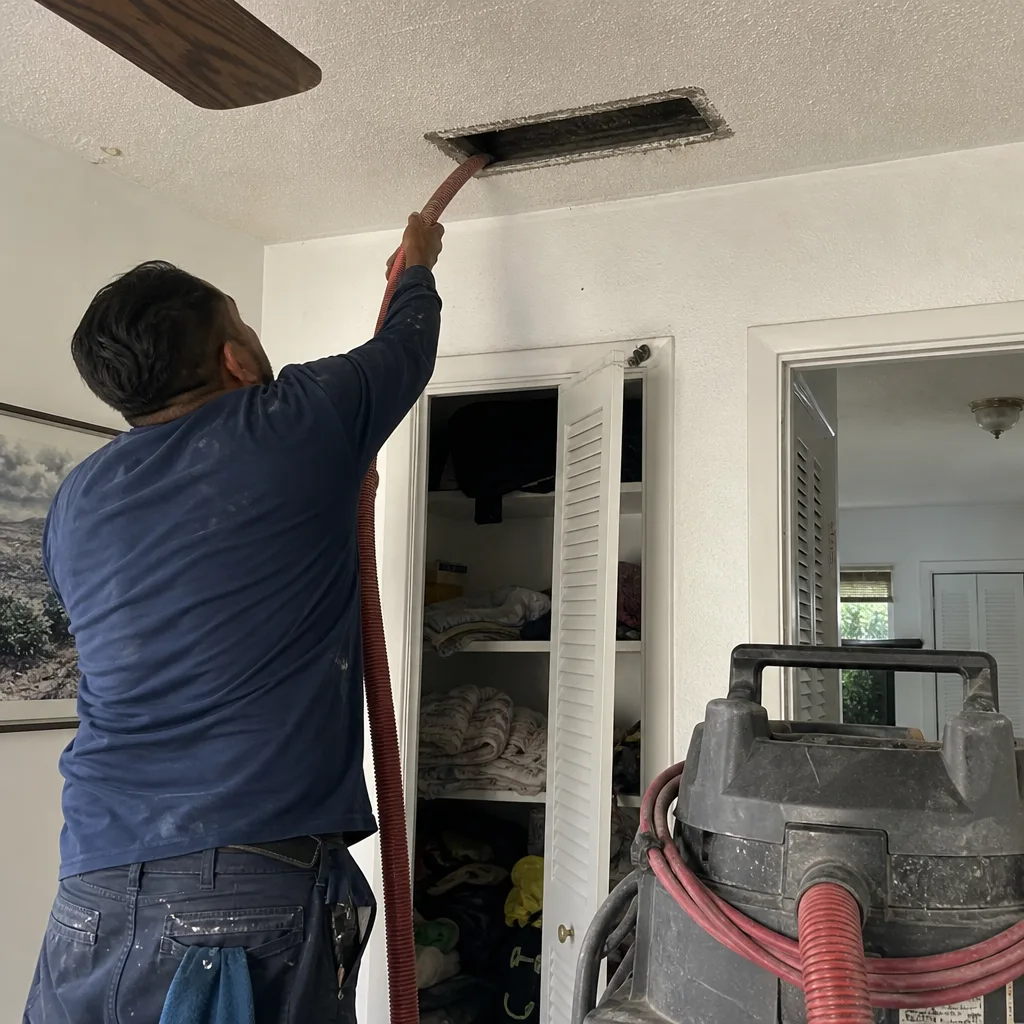 Before
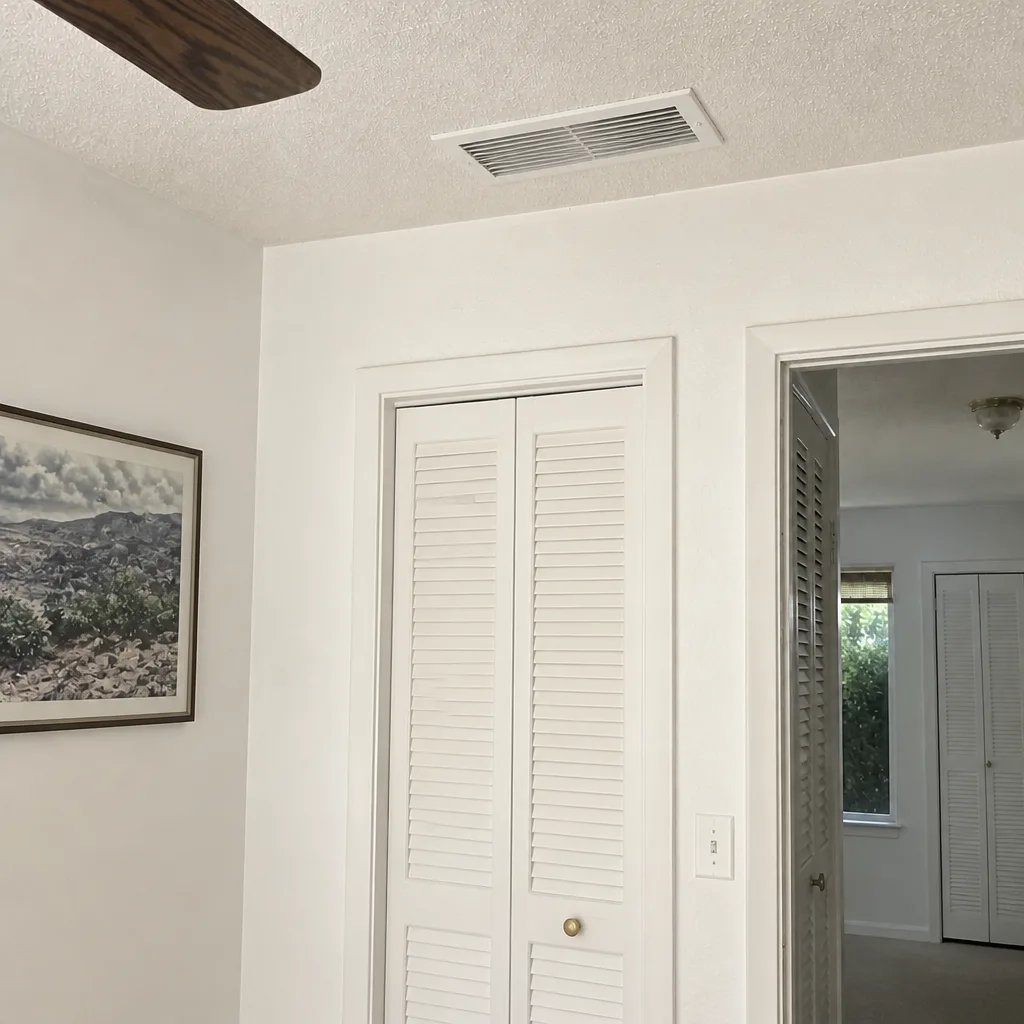 After
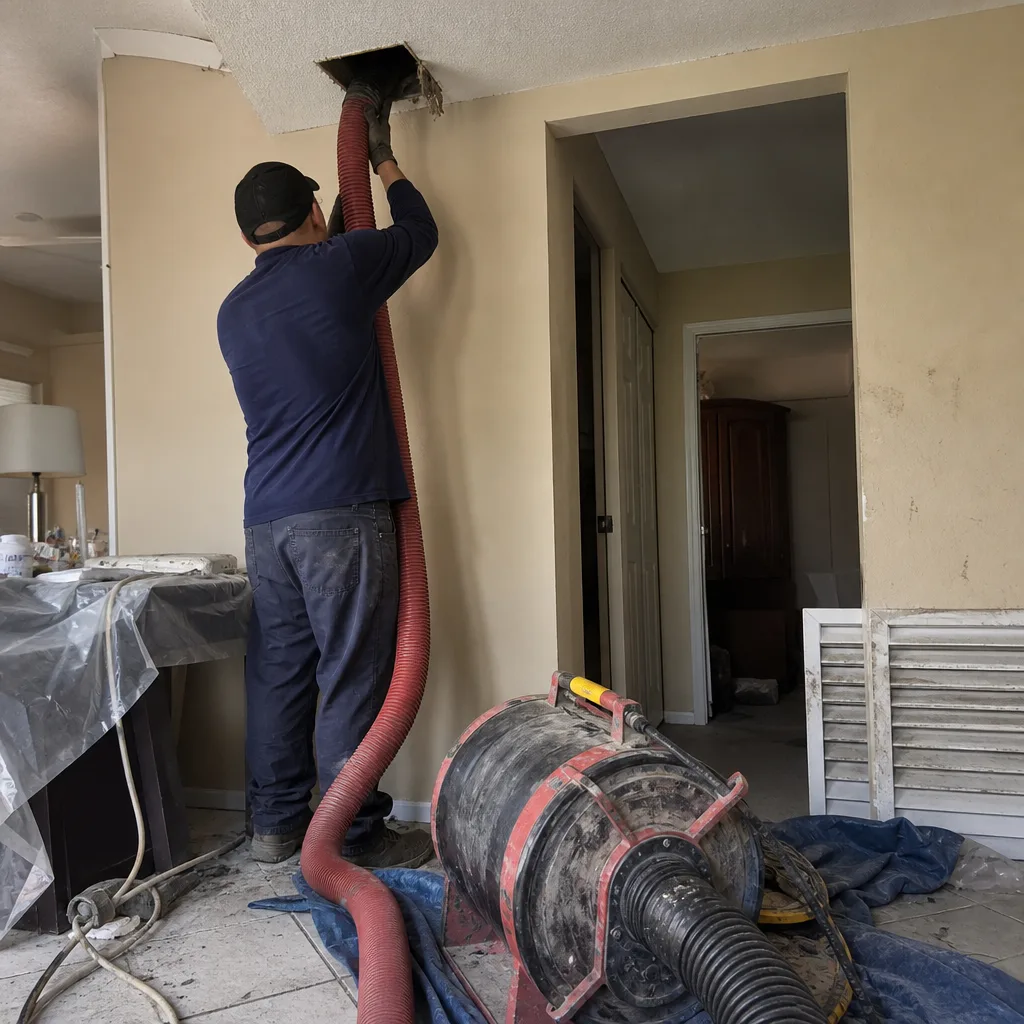 Before
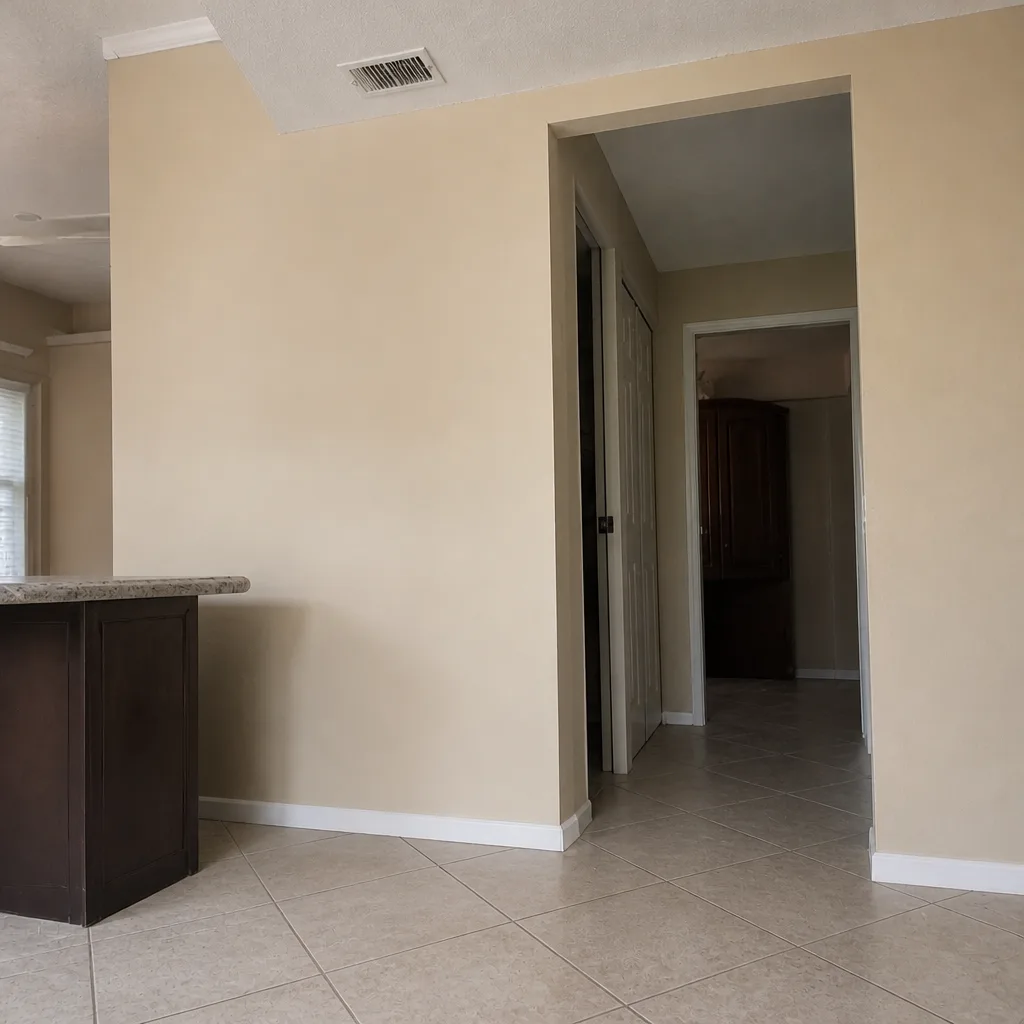 After
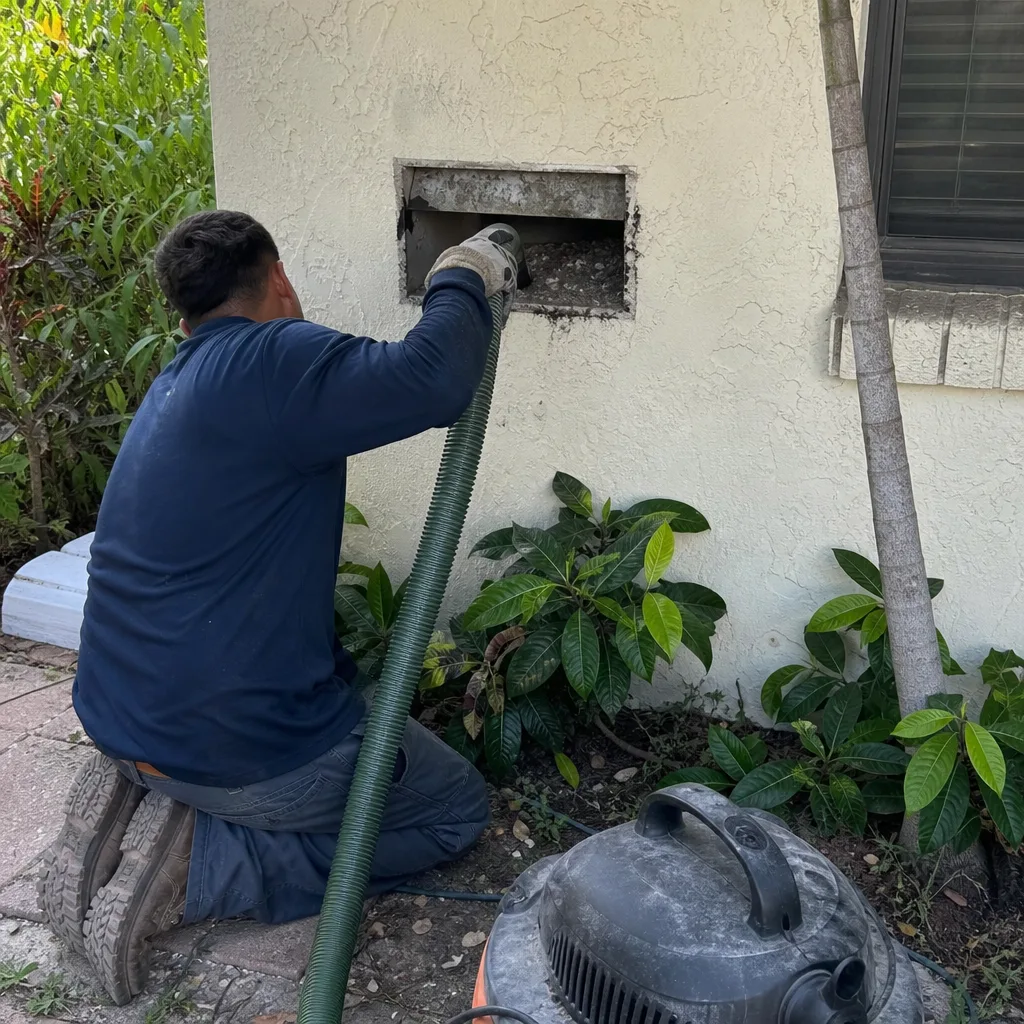 Before
 After
When to Call a Professional
Not every home needs duct cleaning on a schedule, but several situations do call for a professional assessment:
- Musty or stale odors that appear when the system starts and fade when it stops.
- Visible dust streaking or dark marks around supply registers.
- An allergy sufferer in the home whose symptoms flare indoors, especially when the system runs.
- Recent home purchase where the system’s history is unknown.
- Recent inspection findings or a contractor’s recommendation to have the ducts looked at.
- A dryer vent that’s been lint-checked at the trap but not the full run in a long time.
- Rooms that never get comfortable, or a system that runs longer than it used to – often a duct problem rather than a cleaning problem.
Hollywood Duct Cleaning offers free estimates in Hollywood – call (866) 361-9843. One flat price per system, agreed in writing before work starts, with before-and-after photos of your own ducts at the finish.
Frequently Asked Questions
Pricing should be quoted as one flat price for the whole system, in writing, before work starts, because that structure protects you from per-vent math and mid-job changes. Typical estimated ranges for a standard single-system home run well below what a coupon-driven bait-and-switch ends up costing, and every quote we provide is free. Call (866) 361-9843 for an exact quote on your system – estimates are free.
A full cleaning of a typical single-system Hollywood home takes several hours, because contact cleaning, containment, and camera verification are all part of the job. A company that finishes in under an hour almost certainly skipped the parts that matter.
You should receive before-and-after photos and video of the inside of your own ducts, taken at the trunk, branches, and air handler. Ask to see the camera inspection at the finish, and walk the house to confirm every access point was sealed properly. If a company can’t produce that documentation, treat it as a red flag.
Because the cheap quote covers a different job: a vacuum passed through the registers, no contact cleaning, no containment, no verification, and typically an upsell once the technician is inside. In a humid climate like Hollywood’s, that kind of cleaning barely touches the compacted debris that’s actually in the ducts. Call (866) 361-9843 to compare a full-scope quote against whatever else you’ve been given.
There’s no single universal schedule, but homes in humid climates with pets, allergy sufferers, or a recent purchase should have the system assessed sooner than the general every-few-years guidance suggests. The honest answer for your home depends on inspection. Call (866) 361-9843 for a free estimate and an honest read on whether it’s needed now.
Yes. The moisture in South Florida’s air causes dust to bind to duct walls and compact rather than stay loose, which is why vacuum-only methods fall short here and contact cleaning with a rotary brush system is the standard that actually works. It’s also why return-side and air handler cleaning can’t be skipped in a Hollywood home; that’s where the heaviest material accumulates.
The Bottom Line
Air duct cleaning in Hollywood isn’t a generic home service. The humidity, the long cooling season, the mix of duct types in the housing stock, and the coastal corrosion exposure all combine to produce a contamination pattern that requires a different set of methods than dry-climate cleaning. Contact cleaning with a rotary brush system and negative-pressure extraction is what actually works on compacted debris. A finished job should end with photo documentation of your own ducts, sealed access points, and one flat price per system agreed before anyone starts. If a quote doesn’t include all three, keep asking questions. The right company will answer them.
Call (866) 361-9843 for a free estimate. We answer 24/7. Fast dispatch from 7am to 7pm, Sunday through Friday.
Written by the team at Hollywood Duct Cleaning.